
Beautiful Plants For Your Interior
Beautiful Plants For Your Interior
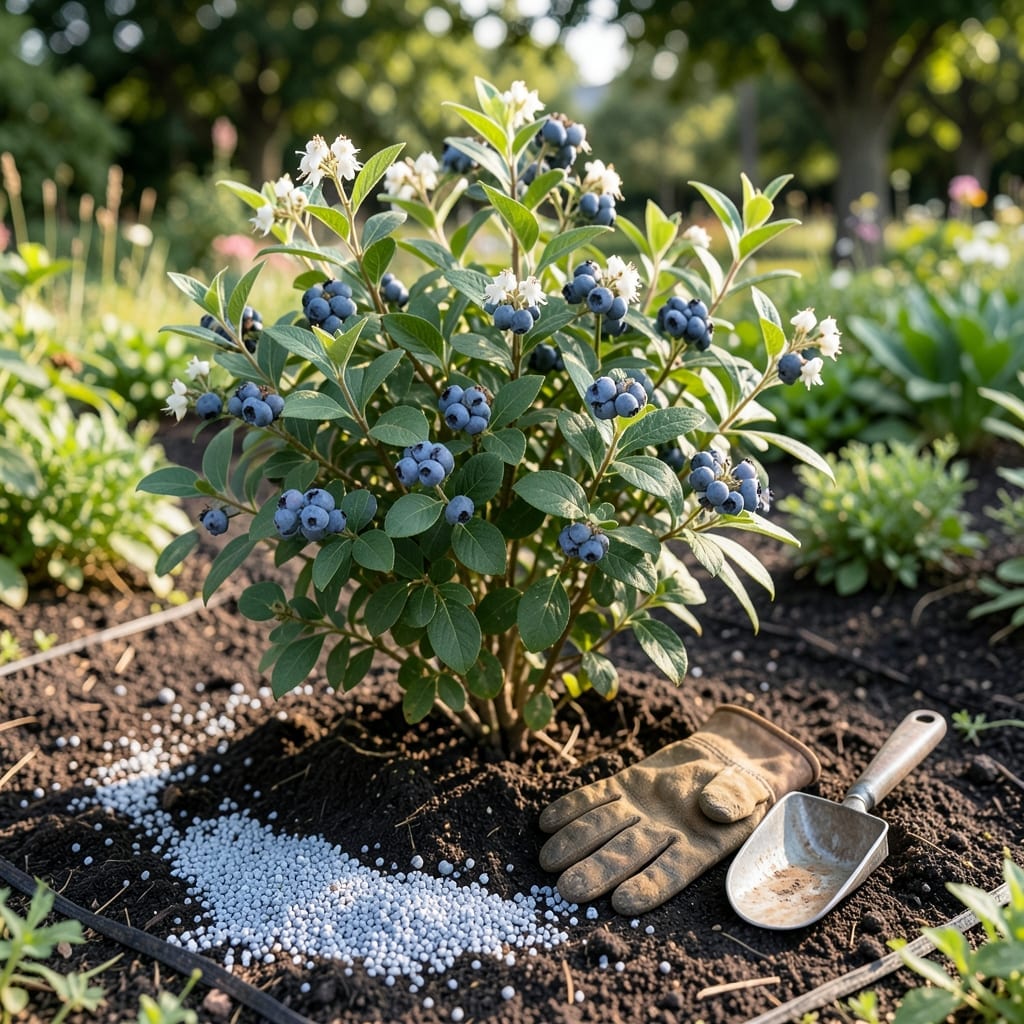
Ammonium sulfate lowers soil pH, making it ideal for acid-loving blueberries. It provides nitrogen for growth while correcting alkaline conditions that inhibit nutrient uptake in these plants.
I’ve seen this work wonders in my own garden—blueberries thrive when their roots can access iron and other micronutrients that get locked out in neutral or basic soils. Ammonium sulfate does double duty by acidifying the earth and delivering a nitrogen boost that promotes leafy growth. Just remember to test your soil first and apply it gradually to avoid shocking the plants. 🔥
💡 In This Article
The magic happens through a two-step chemical reaction. When applied, soil bacteria convert the sulfur in ammonium sulfate into sulfuric acid. This acid then reacts with the soil, releasing hydrogen ions that directly lower the pH. The process is gradual, often taking 4-6 weeks to see measurable changes. 🔥
Blueberries evolved in naturally acidic forest floors with a pH between 4.5-5.5. At this range, iron, manganese, and zinc remain soluble and available to the roots. In alkaline soils (pH above 7.0), these nutrients become chemically locked, causing yellow leaves and stunted growth.
The sulfuric acid from ammonium sulfate breaks these bonds, freeing up essential micronutrients. ⚡
What most gardeners overlook is the nitrogen bonus. Each pound of ammonium sulfate contains about 21% nitrogen in the ammonium form, which blueberries can immediately absorb. This dual action—acidification plus fertilization—makes it more efficient than using elemental sulfur alone, which only addresses pH without adding nutrients. ✨
However, the acidifying effect isn’t permanent. Microbial activity and rainfall gradually neutralize the sulfuric acid, so you’ll need to reapply every 2-3 months during the growing season. Regular soil testing (every 6-8 weeks) helps track pH levels and prevents over-acidification, which can harm beneficial soil organisms. 💫
For best results, work the granules into the top 6 inches of soil around the drip line of the plant, where the feeder roots are most active. Water thoroughly after application to activate the chemical reaction and prevent salt burn on the roots.
This method ensures the pH adjustment happens exactly where the blueberries need it most. 🌟
Expect to see pH changes in 4-6 weeks after application. The sulfur converts to sulfuric acid gradually, so results aren’t instant. For faster adjustment, work it into the top 6 inches of soil and water thoroughly.
Yes, but use only 1/8 pound per young plant. Their root systems are sensitive, so start with half the amount used for established bushes. Always test soil pH first to avoid over-acidifying.
Yellow leaves with green veins indicate excess acidity, while brown leaf edges signal salt burn. If you see these, flush the soil with water and pause applications for 4-6 weeks.
It offers dual benefits: acidification plus 21% nitrogen. Elemental sulfur only adjusts pH without adding nutrients. However, sulfur lasts longer, while ammonium sulfate requires reapplication every 2-3 months.
Skip it if your soil pH is already below 5.0. Also avoid late summer applications, as the nitrogen can promote tender growth that won’t survive winter. Always test soil before applying.