
Beautiful Plants For Your Interior
Beautiful Plants For Your Interior
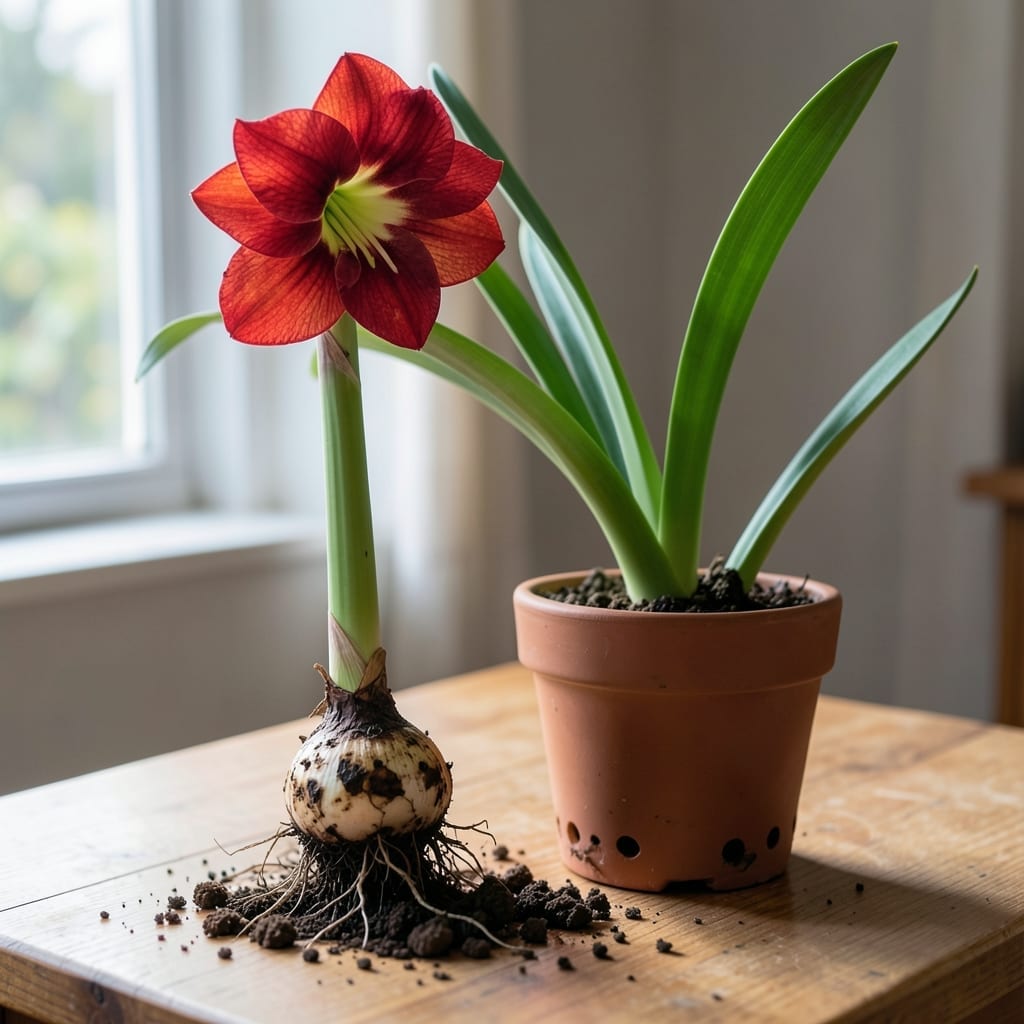
Your amaryllis leaves turn yellow, the stems wilt, and the bulb feels soft. This isn’t just bad luck—it’s probably root rot. I’ve lost a few bulbs this way before learning the warning signs.
Overwatering or poor drainage usually starts the problem, but cold soil and contaminated pots can speed things up. The roots turn mushy and dark, while the bulb weakens from the inside out.
Catch it early and you can save the plant. I’ve revived bulbs that looked doomed with a simple treatment: trim the rot, dry the roots, and repot in fresh, well-draining soil.
Prevention is easier than cure. Use a pot with holes, water only when the top inch of soil is dry, and keep your amaryllis in a warm, bright spot.
The dreaded amaryllis root rot isn’t random—it’s usually the result of a few key environmental or cultural missteps. Below are the primary causes, explained with actionable insights to help you prevent them.
Root rot in amaryllis is most commonly triggered by excess moisture around the roots. These bulbs are native to arid regions and cannot tolerate soggy soil. When waterlogged, the roots suffocate, creating the perfect anaerobic conditions for Pythium, Phytophthora, or fungal pathogens to thrive. Always use well-draining soil and pots with drainage holes, and water only when the top 1–2 inches of soil are dry.
Pathogens like Fusarium or Rhizoctonia can linger in reused potting mix or unsterilized tools. If you’ve previously grown infected plants in the same soil, the spores may still be present. Sterilize your tools with rubbing alcohol and use fresh, pasteurized potting mix for each planting to minimize risk.
Amaryllis bulbs prefer warm, dry conditions (60–75°F). Cool, damp environments (below 50°F) slow root metabolism, making them more susceptible to rot. High humidity (above 60%) also encourages fungal growth. Store bulbs in a cool, dry place during dormancy and avoid overcrowding plants to improve airflow.
Using a pot that’s too large can lead to excess soil moisture retention, as the bulb’s roots won’t absorb water quickly enough. Opt for a pot that’s only 1–2 inches wider than the bulb’s diameter. Additionally, clay or terracotta pots are ideal because they allow soil to dry faster than plastic.
Tackling amaryllis root rot starts with identifying the cause and applying the right fix. Below are practical solutions for common issues, paired with prevention tips to keep your plants thriving.
If soggy soil is the culprit, stop watering immediately. Remove the bulb from its pot and inspect the roots. Trim away any soft, dark, or mushy roots with sterilized scissors. Repot the bulb in fresh, well-draining soil and a container with drainage holes. Prevention tip: Water only when the top inch of soil feels dry, and always empty excess water from saucers. 💡 Pro tip: Use a terracotta pot to wick away moisture faster.
For fungal-based root rot, treat the bulb with a copper-based fungicide or a natural option like neem oil. Soak the bulb in the solution for 10–15 minutes before repotting in sterilized soil. Discard old soil to avoid reinfection. Prevention tip: Sterilize pots and tools with a 10% bleach solution between uses. ✨ Pro tip: Add a layer of cinnamon (a natural fungicide) to the soil when repotting.
Heavy or compacted soil suffocates roots. Switch to a lightweight, airy mix designed for bulbs—combine equal parts potting soil, perlite, and coarse sand. Prevention tip: Avoid garden soil, which can introduce pathogens and retain too much moisture. 🎯 Pro tip: Mix in a handful of charcoal to absorb excess moisture and prevent odors.
If cold temperatures triggered rot, move the plant to a warmer spot (60–75°F). Ensure it’s not near drafty windows or cold floors. Prevention tip: Keep amaryllis indoors during cold snaps and avoid overwatering in cooler months when growth slows. 🌡️ Pro tip: Use a heat mat under the pot to maintain consistent warmth for the roots.
Look for yellowing leaves, wilting stems, and a soft or mushy bulb. The roots will appear dark and mushy instead of firm and white. A foul odor from the soil is another red flag.
If most of the bulb is still firm, trim away all rotten roots and repot in fresh, dry soil. Discard the bulb if it’s completely soft or black inside. Prevention is key—act at the first sign of trouble.
Use a well-draining mix of 1 part potting soil, 1 part perlite, and 1 part coarse sand. Add charcoal to absorb excess moisture. Avoid garden soil, which retains too much water.
Water only when the top 1-2 inches of soil are dry. During dormancy, reduce watering significantly. Always empty excess water from saucers immediately.