
Beautiful Plants For Your Interior
Beautiful Plants For Your Interior
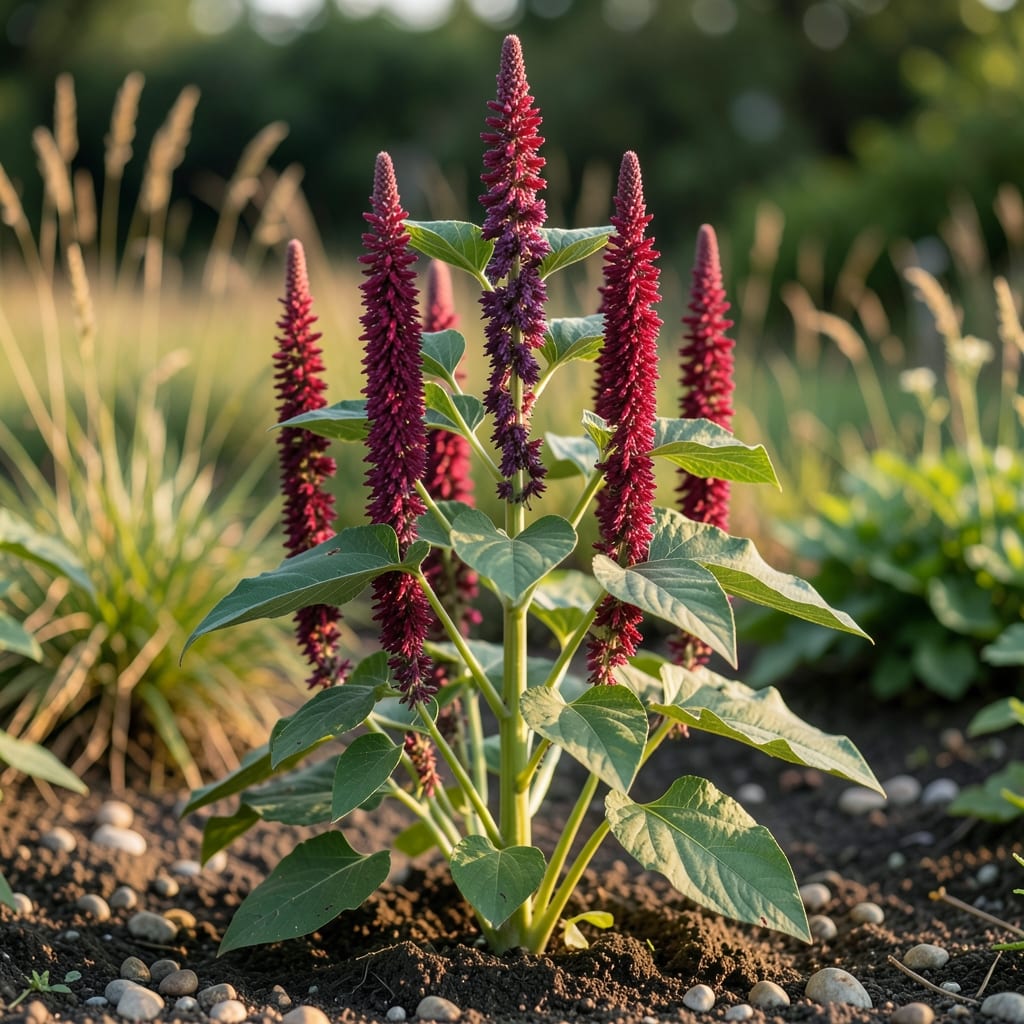
Amaranthus includes both annual and perennial varieties. Annual types like Amaranthus caudatus complete their life cycle in one season, while perennials such as Amaranthus dubius regrow each year in suitable climates.
I’ve found that annual varieties thrive in temperate zones where they bloom rapidly and produce seeds before frost. Perennials, however, establish deeper root systems that survive winter in milder regions. This distinction matters for gardeners planning long-term landscapes versus seasonal displays. ✨
Choosing between them depends on your climate and goals. Annuals offer quick color, while perennials provide lasting structure with less replanting effort each year.
💡 In This Article
Annual amaranthus varieties complete their entire life cycle—from germination to seed production—within 6-8 months. These plants focus energy on rapid growth and abundant flowering before frost arrives, making them ideal for seasonal color bursts. Their root systems remain relatively shallow, typically reaching depths of 12-18 inches, as they don’t need to store energy for regrowth.
Perennial amaranthus, on the other hand, develop extensive root systems that can grow 3-5 feet deep. This allows them to store nutrients and energy in underground structures called rhizomes or taproots. These stored reserves fuel new growth each spring in climates with mild winters (USDA zones 8-11), where temperatures rarely drop below 10°F. 🌟
Another key difference lies in their growth patterns. Annuals like Amaranthus tricolor grow quickly and produce vibrant, showy blooms that attract pollinators. Perennials such as Amaranthus spinosus grow more slowly but establish permanent structures that can reach heights of 4-6 feet over several years.
The leaves also differ significantly. Annual varieties often have broader, more colorful leaves that are rich in pigments like betalains, which give them their striking red, purple, or gold hues. Perennial types tend to have smaller, tougher leaves that are better adapted to conserving water during dry periods.
Climate adaptability sets them apart too. Annuals excel in regions with distinct seasonal changes, where they can complete their cycle before cold weather. Perennials thrive where they can maintain year-round growth, though some may die back to the ground in winter and regrow from their roots when temperatures rise again.
These biological distinctions make annuals perfect for gardeners wanting quick, dramatic displays, while perennials suit those seeking long-term, low-maintenance plantings. ✨
Annual amaranthus typically completes its life cycle in 6-8 months, producing vibrant blooms within 60-90 days of planting. These fast growers thrive in warm soil and full sun.
Yes, in USDA zones 8-11 where temperatures rarely drop below 10°F. Their deep root systems store energy for regrowth each spring.
Annual varieties work best in containers due to their shallower root systems (12-18 inches deep). Perennials need more space for their extensive root growth.
Yes, their deep roots make them more drought-tolerant. Water deeply but infrequently to encourage root development, unlike annuals that need 1 inch weekly.