
Beautiful Plants For Your Interior
Beautiful Plants For Your Interior
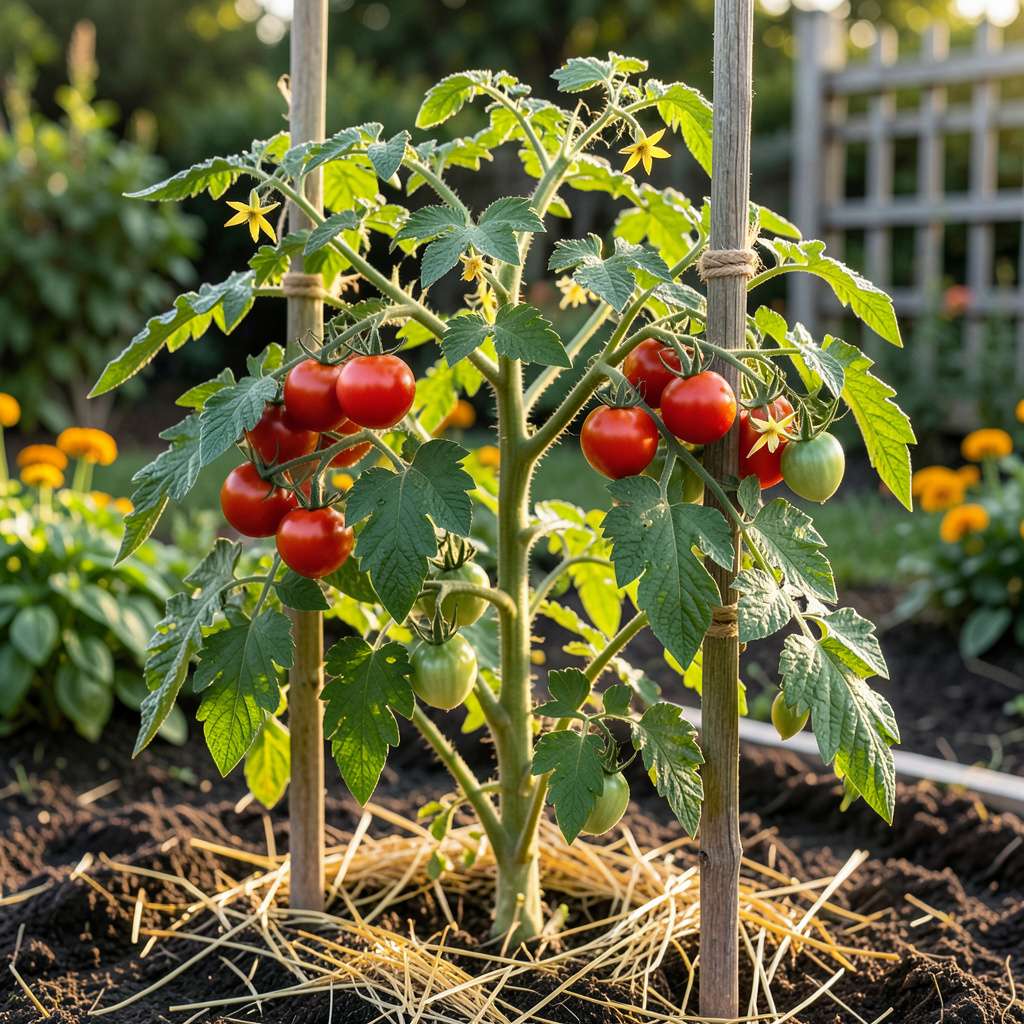
Standard tomato plants are annuals and die after one growing season, but their seeds can regrow yearly. Some tropical varieties behave as short-lived perennials in frost-free zones.
I’ve learned through years of gardening that most tomato varieties complete their entire life cycle in a single season. 🌱 The plants focus all their energy on producing fruit rather than developing woody stems that could survive winter. However, in zones like southern Florida or coastal California where frost never arrives, certain heirloom varieties can keep producing for 2-3 years if properly maintained. What’s fascinating is how these tropical perennials develop thicker stems over time, almost like small shrubs, while still delivering that classic tomato flavor we all love.
💡 In This Article
Tomatoes are botanically classified as tender perennials, meaning they could theoretically live multiple years in ideal conditions. However, in most climates, they’re grown as annuals because their cells rupture at temperatures below 32°F. This frost sensitivity triggers immediate cell death in stems and leaves, making regrowth impossible unless you intervene before cold weather arrives. 🌡️
The plant’s growth pattern explains this vulnerability. Tomato stems contain high water content (about 90-95% by weight) and lack the protective bark layer that woody perennials develop. When frost forms ice crystals inside these water-filled cells, they expand and burst like overfilled water balloons.
Even light frosts (28-32°F) can damage foliage, while hard freezes (25°F) kill the plant completely within hours.
Varietal differences play a surprising role too. Determinate varieties (like Roma tomatoes) grow in compact bushes and typically exhaust their energy producing one large fruit crop before declining. Meanwhile, indeterminate varieties (such as Cherry tomatoes) keep growing and producing until frost stops them.
Yet neither type develops the cold-hardy adaptations of true perennials like asparagus or rhubarb plants.
What’s particularly fascinating is how tropical tomato varieties behave differently. In USDA zones 10-11 (think Miami or San Diego), certain heirloom varieties like ‘Everglades’ or ‘Tropical Ruby’ develop woody stems over time. These plants can produce for 2-3 years if protected from occasional cold snaps.
Their stems gradually thicken to about 1-inch diameter, developing a bark-like exterior that helps conserve moisture during dry periods.
The seed production strategy also limits regrowth potential. Tomato plants invest heavily in producing abundant seeds (a single fruit contains 100-400 seeds) rather than developing perennial structures. This evolutionary adaptation prioritizes reproduction over longevity, which is why we typically grow new plants from seeds each year rather than relying on the same plant to return.
For gardeners in colder zones, this annual cycle actually offers advantages. It allows for crop rotation that prevents soil-borne diseases from building up year after year. It also means you can experiment with different varieties annually—trying a meaty ‘Brandywine’ one year and a prolific ‘Sungold’ cherry the next—without being locked into the same plant indefinitely.
✨
Light covers may protect from brief frosts, but standard tomato plants will die in sustained cold. Even with row covers or blankets, temperatures below 28°F for more than a few hours will kill the plant. Tropical varieties in zones 10-11 can survive mild winters with protection.
Yes, but only if you bring containers indoors before frost. Choose compact varieties like ‘Tiny Tim’ and maintain 60-70°F temperatures with grow lights. Most container-grown tomatoes produce well for 2-3 seasons before yields decline, requiring fresh soil annually.
Second-year plants often focus energy on stem thickening rather than fruit production. The root system becomes less efficient at nutrient uptake over time. Prune aggressively in early spring and fertilize with 5-10-10 blend to encourage new growth. Starting fresh cuttings often works better than keeping old plants.
Save seeds from your best fruits each season! Ferment seeds in water for 3-5 days, dry thoroughly, and store in paper envelopes. These seeds will germinate faster than store-bought ones. Alternatively, let fallen fruits decompose naturally—volunteer plants often sprout the following spring in warm climates.
Cherry tomatoes (indeterminate) often survive overwintering better due to their continuous growth habit. Beefsteak varieties (usually determinate) exhaust their energy in one season. For best results, choose small-fruited varieties like ‘Sungold’ or ‘Sweet 100’—they adapt better to container life and produce reliably for 2+ years with proper care.
