
Beautiful Plants For Your Interior
Beautiful Plants For Your Interior
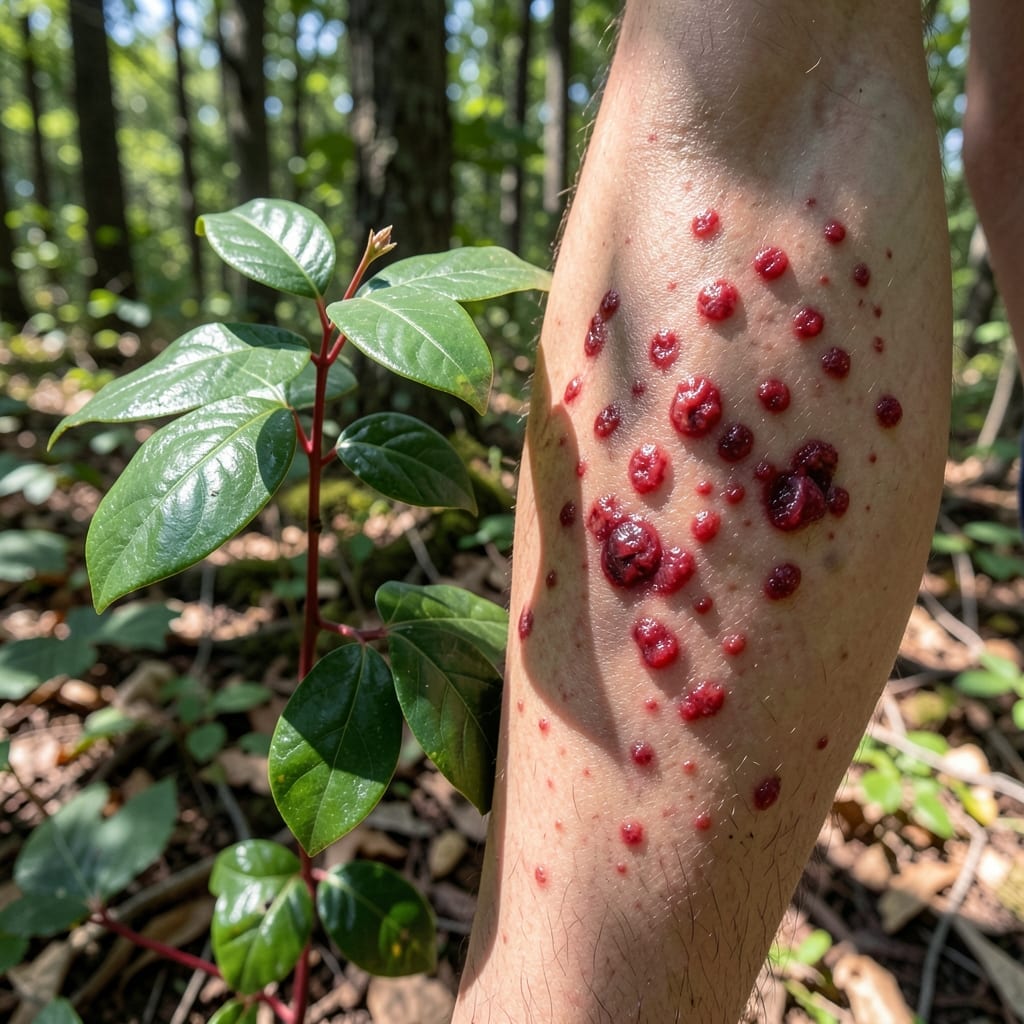
That itchy rash after brushing against ivy isn’t in your head. I learned the hard way that poison ivy, oak, and sumac contain urushiol—an oil that triggers allergic reactions in most people within 12-48 hours of contact.
The redness, blisters, and maddening itch can spread if you touch contaminated clothes or tools. Here’s the thing—washing the affected area immediately with soap and cool water can remove the oil before it binds to your skin.
Fast relief comes from calamine lotion, cool compresses, and oral antihistamines. For severe cases, a doctor can prescribe stronger treatments. The key is acting quickly before the reaction escalates.
Prevention means wearing long sleeves, gloves, and learning to identify these plants in your garden. Knowledge is your best defense against another miserable outbreak.
An allergic reaction to ivy plants, like poison ivy, poison oak, or poison sumac, is primarily caused by an oily resin called urushiol. This natural compound is found in the leaves, stems, and roots of these plants and triggers an immune response in about 80% of people who come into contact with it. Below are the key reasons why this happens:
Urushiol is a potent allergen that binds to proteins in your skin, prompting your immune system to recognize it as a threat. Once exposed, your body releases histamine and other chemicals, leading to itching, redness, and blisters. Even indirect contact—like touching contaminated clothing, tools, or pet fur—can cause a reaction.
For those allergic, the immune system overreacts to urushiol, treating it like a harmful invader. This hypersensitivity is what causes the classic contact dermatitis symptoms, including swelling, oozing blisters, and intense itching. Repeated exposure can worsen reactions over time.
The reaction doesn’t always appear immediately. It can take 12 to 48 hours after exposure for symptoms to develop, as your immune system gears up its response. This delay often makes it tricky to pinpoint the exact cause of the irritation.
Understanding these triggers helps you avoid exposure and take swift action if contact occurs.
If you’ve come into contact with poison ivy, oak, or sumac, acting fast can ease the discomfort. Here’s how to tackle the most common reactions and prevent future flare-ups.
Wash the affected area immediately with cool water and mild soap to remove the plant’s oil (urushiol). Avoid hot water, as it can open pores and spread the oil. Apply calamine lotion or hydrocortisone cream to reduce itching. For severe blisters, cover them loosely with a bandage to prevent infection. Pro tip: 💡 Use oatmeal baths or baking soda pastes for natural relief.
Apply a cold compress for 15–20 minutes to reduce swelling. Over-the-counter oral antihistamines (like Benadryl) can help with intense itching. Avoid scratching—it can worsen the reaction or lead to infection. Pro tip: ✨ Wear cotton gloves at night to prevent unconscious scratching.
If urushiol touches your eyes or face, rinse thoroughly with cool water for 10+ minutes. Avoid rubbing your eyes. Use artificial tears to flush out residue. If swelling or vision problems occur, see a doctor immediately—this could signal a severe reaction.
If symptoms are severe (e.g., difficulty breathing, widespread rash), seek medical attention ASAP.
A mild to moderate rash usually clears up within 1-3 weeks. With proper treatment, most people see significant improvement within 7-10 days.
No, the rash itself isn’t contagious. But the urushiol oil can transfer from contaminated surfaces to others. Wash all exposed items immediately.
Never burn poison ivy, oak, or sumac. Inhaling smoke from these plants can cause severe lung irritation. Remove them safely by wearing protective gear and using a trash bag.
For severe cases with widespread rash or swelling, see a doctor. Prescription steroids may be needed. OTC creams help mild symptoms but aren’t enough for serious reactions.