
Beautiful Plants For Your Interior
Beautiful Plants For Your Interior
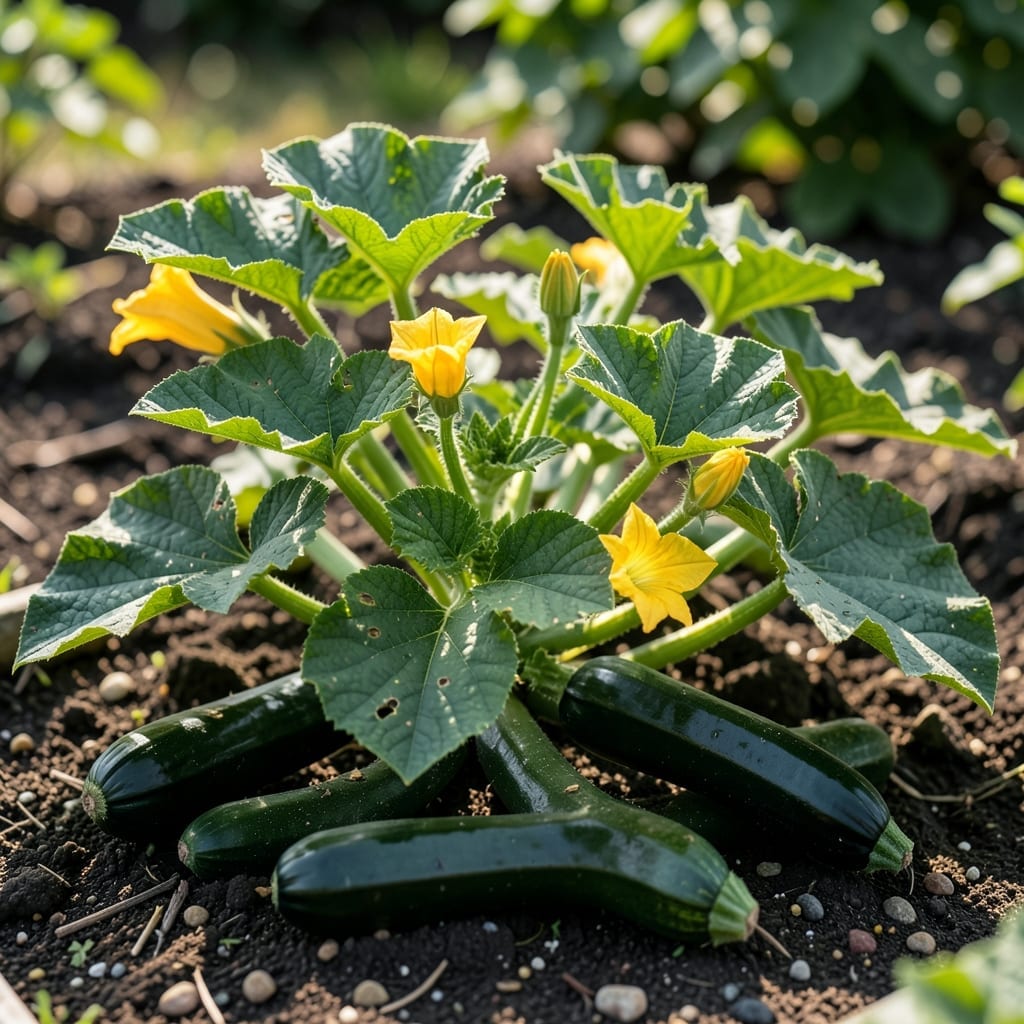
That sickly yellow mottling on your zucchini leaves isn’t just ugly—it’s a warning sign. I first spotted it in my garden three seasons ago and lost half my crop before realizing what I was dealing with.
This virus spreads fast through aphids, so early detection is everything. The leaves develop that telltale yellow mosaic pattern, then curl and distort as the disease progresses. Growth slows dramatically, and fruits become deformed if they form at all.
You can’t cure infected plants, but you can protect the rest. Remove and destroy affected plants immediately, then focus on preventing aphids from spreading the virus to healthy ones.
The good news? Simple steps like row covers and reflective mulch can stop this before it starts. Here’s how to keep your garden productive and virus-free all season long.
Zucchini yellow mosaic, a common issue in squash plants, often stems from viral infections or environmental stressors. Below are the primary causes, explained in detail to help you identify and address the root of the problem.
The most frequent culprit is the Zucchini Yellow Mosaic Virus (ZYMV), a Potyvirus spread by aphids. This virus disrupts the plant’s chloroplasts, leading to the characteristic yellow mottling on leaves. Aphids acquire the virus from infected plants and transmit it to healthy ones during feeding. Other viruses, like Cucumber Mosaic Virus (CMV), can also cause similar symptoms.
A lack of essential nutrients, particularly magnesium or iron, can mimic mosaic-like symptoms. Magnesium deficiency often appears as yellowing between leaf veins (interveinal chlorosis), while iron deficiency causes uniform yellowing of younger leaves. Soil testing can confirm whether your zucchini plants are starving for these critical minerals.
Extreme temperatures, poor soil drainage, or inconsistent watering can stress zucchini plants, leading to discoloration. Heat stress, for instance, may cause temporary yellowing, while waterlogged roots can impair nutrient uptake, resulting in mosaic patterns. Ensuring stable growing conditions helps prevent these issues.
In addition to spreading viruses, pests like whiteflies and spider mites can directly damage plant tissues, causing yellow spots or stunted growth. Regularly inspect the undersides of leaves for pests and treat infestations promptly to avoid secondary problems.
Dealing with zucchini yellow mosaic can be frustrating, but these practical solutions will help you get your plants back on track.
If you spot plants with severe yellow mottling, distorted leaves, or stunted growth, pull them out right away. This prevents the virus from spreading to healthy plants. Do not compost infected material—dispose of it in sealed bags to avoid contamination.
The virus spreads mainly through aphids. Use insecticidal soap or neem oil to keep aphid populations in check. For a natural approach, introduce beneficial insects like ladybugs or lacewings. Reflective mulches can also deter aphids by confusing them.
Choose zucchini varieties bred for virus resistance, such as ‘Emerald Delight’ or ‘Dunja.’ These aren’t immune but have a better chance of staying healthy. Rotate crops yearly to reduce virus buildup in the soil.
The virus can spread through contaminated tools or even your hands. Disinfect pruners, gloves, and stakes with a 10% bleach solution or rubbing alcohol after handling infected plants. Wash your hands thoroughly with soap before touching healthy plants.
Prevention Tips:
Aphids can transmit the virus within minutes of feeding. Expect visible symptoms on new plants in 1-3 weeks after exposure.
Unfortunately no. Once infected, the plant cannot recover. Remove it immediately to protect others. Focus on prevention for healthy plants.
Not always. Nutrient deficiencies or environmental stress can cause similar yellowing. Check for the mosaic pattern and distorted growth to confirm.
Use reflective mulch and row covers early. Introduce beneficial insects like ladybugs. Avoid over-fertilizing with nitrogen, which attracts aphids.