
Beautiful Plants For Your Interior
Beautiful Plants For Your Interior
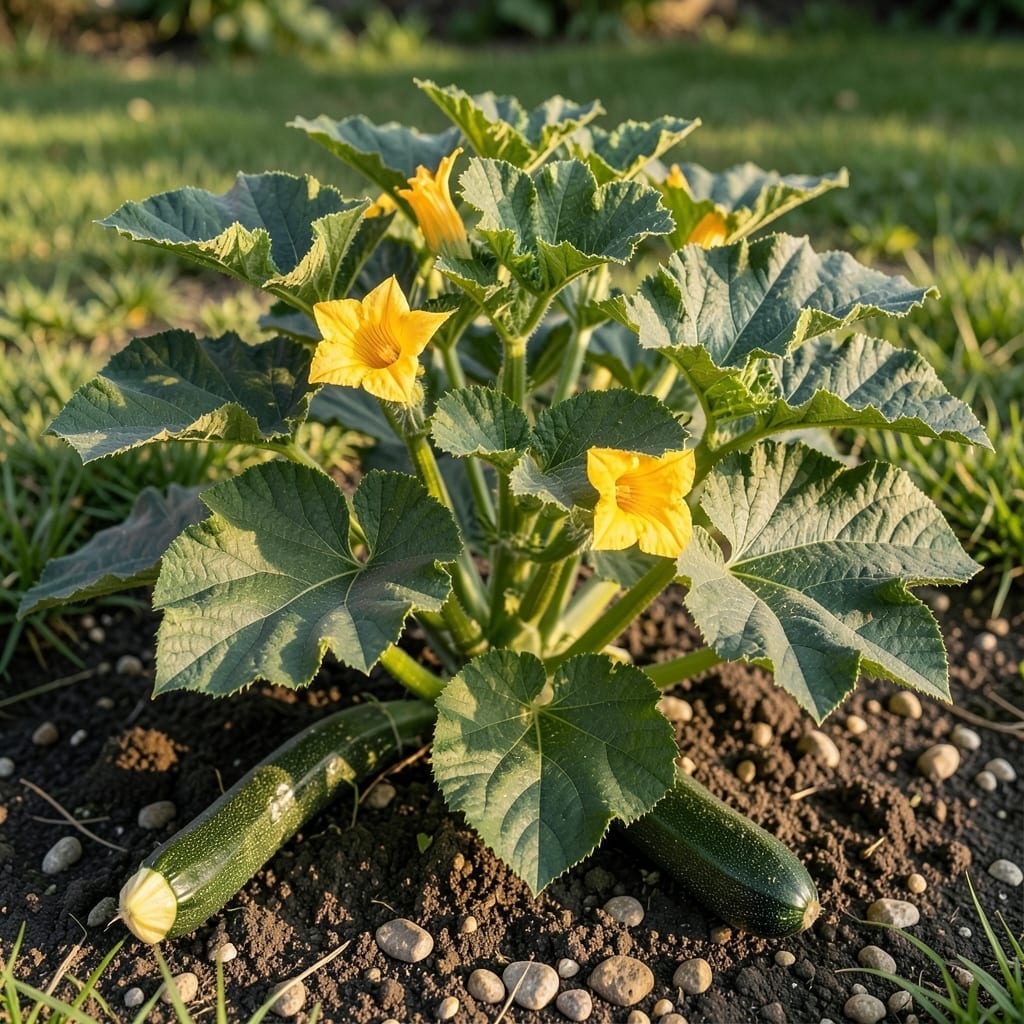
That golden hue inside your zucchini might surprise you. 🌱 I’ve cut open plenty of them expecting pale green, only to find a bright yellow center that made me question everything.
Turns out, some varieties naturally develop yellow flesh when fully ripe. Others signal trouble—like blossom end rot or viral issues—when the color changes unexpectedly.
Here’s the thing—yellow inside doesn’t always mean bad news. It could be a delicious heirloom trait or a sign your plant needs a little extra care.
Let’s figure out which is which so you know exactly what to do next.
Zucchini turning yellow inside can stem from several natural and environmental factors. Here’s a breakdown of the most common causes:
As zucchini ripens, its internal color shifts from pale to a deeper yellow or even orange. This is due to the breakdown of chlorophyll and the accumulation of carotenoids, pigments responsible for yellow and orange hues in many fruits and vegetables. Fully mature zucchini, often left on the vine too long, will naturally develop a yellow interior.
Excessive sunlight can accelerate the ripening process, leading to a yellowing inside. Zucchini exposed to intense heat and direct sunlight may develop a yellow interior faster than those grown in partial shade. This is a result of increased carotenoid production as a protective response to UV radiation.
Inconsistent watering, especially drought-like conditions, can stress the plant and alter the zucchini’s internal color. Water stress disrupts normal chlorophyll production, often leading to a yellowish tint inside. Ensuring consistent moisture levels helps maintain the typical pale green interior.
A lack of essential nutrients, particularly nitrogen or magnesium, can cause zucchini to turn yellow inside. Nitrogen is vital for chlorophyll synthesis, while magnesium plays a key role in photosynthesis. Without these, the zucchini’s internal color may shift to yellow as the plant struggles to maintain healthy pigmentation.
Some zucchini varieties are naturally predisposed to a yellow interior. For example, certain heirloom or specialty types may have a golden or yellow flesh as part of their genetic makeup. Always check the seed packet or plant description to understand the expected color traits of your specific variety.
If your zucchini is yellow inside, don’t toss it just yet! Here’s how to address the most common causes and prevent future issues.
If the flesh turned yellow due to overripeness, pick zucchini when they’re 6–8 inches long and the skin is still shiny and firm. Use a sharp knife or pruners to avoid damaging the plant. Prevention tip: Check plants daily during peak season—zucchini grows fast! 🌱
If excessive sun caused internal yellowing, shield plants with shade cloth (30–50%) during the hottest part of the day. Ensure consistent watering (1–2 inches per week) to reduce stress. Prevention tip: Mulch around the base to retain moisture and regulate soil temperature. 💧
Yellowing from poor nutrition often means a lack of nitrogen or magnesium. Apply a balanced, organic fertilizer (like 10-10-10) or side-dress with compost. For magnesium, use Epsom salt (1 tablespoon per gallon of water) as a foliar spray. Prevention tip: Test soil before planting and amend as needed. 📊
If pests (like squash bugs) or fungal diseases (like powdery mildew) are to blame, remove affected leaves and treat with neem oil or insecticidal soap. Rotate crops yearly to prevent recurrence. Prevention tip: Space plants properly for airflow and avoid overhead watering. 🛡️
If the yellow inside is just the zucchini’s natural color (e.g., ‘Golden Zucchini’), there’s no fix needed—just enjoy the unique hue! Tip: Slice it open to confirm the texture is still firm and the flavor mild. ✨
Yes, if it’s firm and smells fresh. Natural yellowing from ripeness or variety is harmless. Discard only if mushy, slimy, or foul-smelling.
Use it in bread, muffins, or soups where texture matters less. The flavor will be richer but slightly sweeter.
Harvest at 6-8 inches, water consistently, and use shade cloth in extreme heat. Test soil for nutrient deficiencies.
Yes! Most standard varieties like ‘Black Beauty’ remain pale green when picked young. Heirlooms may vary.