
Beautiful Plants For Your Interior
Beautiful Plants For Your Interior
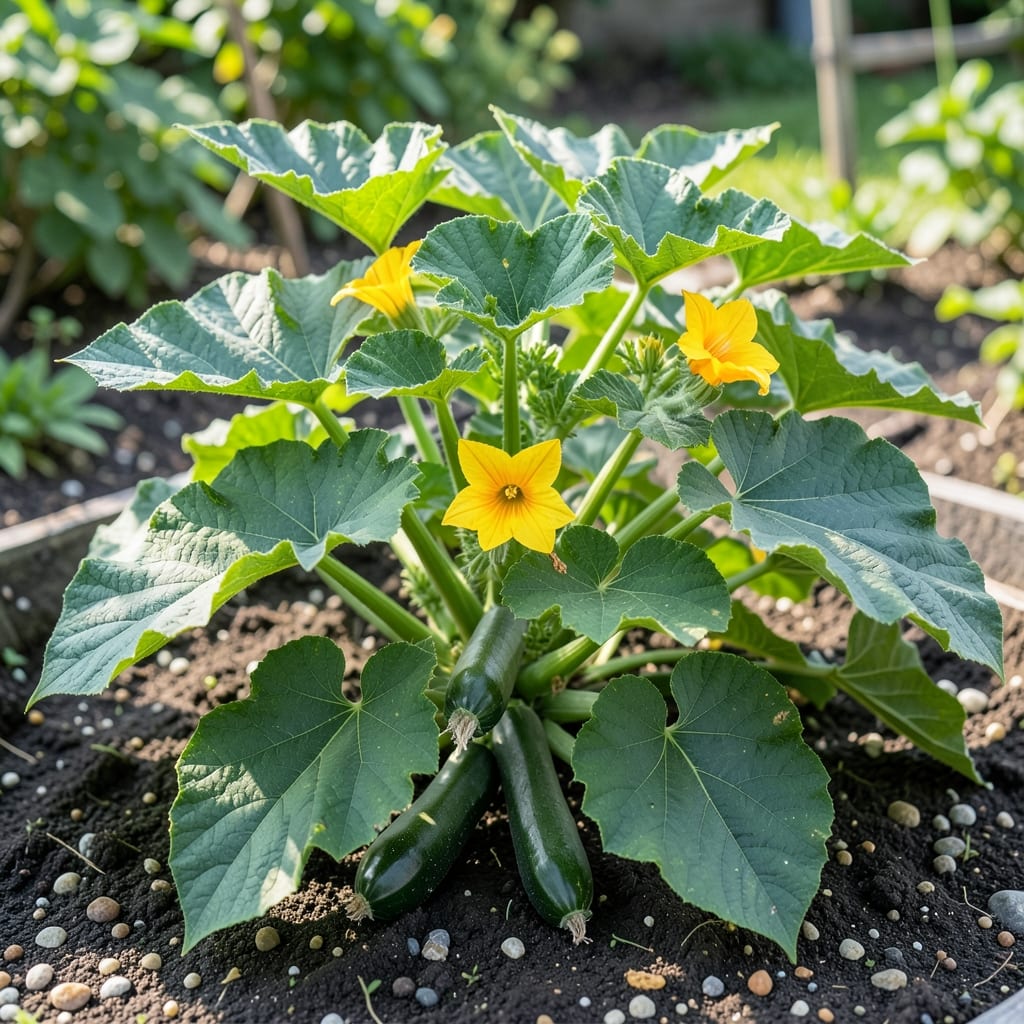
I’ve lost more zucchini plants to leaf wilt than I care to admit. It starts with a few sad, drooping leaves in the morning and can spread overnight if you don’t act fast.
Most cases come down to three culprits: fungal issues from damp conditions, pests like squash bugs, or heat stress during summer peaks. The fix isn’t complicated—just consistent.
Organic remedies like neem oil, baking soda sprays, and row covers work if you catch it early. Prevention is even simpler: water at soil level, space plants properly, and rotate crops yearly.
Your plants can bounce back within a week with the right approach. Here’s how to spot the signs before it’s too late.
Understanding the root causes of wilting in zucchini leaves helps you tackle the issue effectively. Here are the most common culprits:
Pathogens like Phytophthora infestans or Pseudoperonospora cubensis thrive in wet, humid conditions. They attack the leaves, disrupting water transport and causing wilting. Overhead watering or poor air circulation exacerbates this.
Sap-sucking insects such as aphids, whiteflies, or squash bugs pierce leaf tissues, reducing the plant’s ability to retain moisture. Their feeding also introduces toxins that accelerate wilting. Check the undersides of leaves for early signs.
Both overwatering and underwatering can lead to wilting. Too much water suffocates roots, preventing nutrient uptake, while drought stress collapses leaf cells. Zucchini plants prefer consistent moisture—aim for 1–2 inches of water per week.
Extreme heat (above 90°F) or sudden temperature drops can shock the plant, causing temporary wilting. Additionally, nutrient deficiencies (e.g., potassium or magnesium) weaken the plant’s resilience, making leaves more prone to drooping.
When your zucchini leaves start to wilt, quick action can save your plants. Here’s how to tackle the most common causes and restore their health.
If wilting occurs during hot afternoons but recovers by evening, your plants may be overheating. Shade cloth (30-50%) can provide relief during peak sun hours. Water deeply at the base in the early morning to help roots absorb moisture before the heat kicks in. Mulching with straw or grass clippings retains soil moisture and keeps roots cool.
Prevention tip: 💡 Plant zucchini where they get afternoon shade, or use row covers in extreme heat.
Check soil moisture 1-2 inches deep—if it’s bone dry, water thoroughly. If soggy, hold off and improve drainage by amending soil with compost. Drip irrigation delivers water directly to roots, preventing fungal issues from wet foliage. Aim for 1-1.5 inches of water per week, adjusting for rain.
Prevention tip: 💡 Use a moisture meter to avoid guessing—zucchini prefers consistently moist (not soggy) soil.
Squash bugs and cucumber beetles sap plant strength, leading to wilting. Handpick pests early in the morning when they’re sluggish, or spray with neem oil (mix 1 tbsp per gallon of water) at dusk. For severe infestations, use kaolin clay as a barrier. Remove plant debris to eliminate hiding spots.
Prevention tip: 🎯 Rotate crops yearly and plant resistant varieties like ‘Cocozelle’ or ‘Black Beauty’.
If leaves wilt and show spots or yellowing, a disease may be to blame. Remove infected leaves immediately and avoid overhead watering. Apply copper fungicide or a baking soda spray (1 tsp baking soda + 1 quart water + a few drops of soap) weekly. Sterilize pruning tools with rubbing alcohol between cuts.
Prevention tip: ✨ Space plants 3-4 feet apart for airflow, and water early so foliage dries by noon.
Heat-related wilting appears in the afternoon and recovers by evening. Disease wilt often persists and spreads, with added symptoms like spots or yellowing on leaves.
Water deeply at the base 1-2 times per week, providing 1-1.5 inches total. Always water early in the day so foliage dries quickly.
Yes! Try ‘Cocozelle’ or ‘Black Beauty’—both handle stress better. Resistant varieties still need proper care but are more forgiving.
If the stem is still firm, act fast: remove infected leaves, improve drainage, and treat pests. Most plants recover within a week with consistent care.