
Beautiful Plants For Your Interior
Beautiful Plants For Your Interior
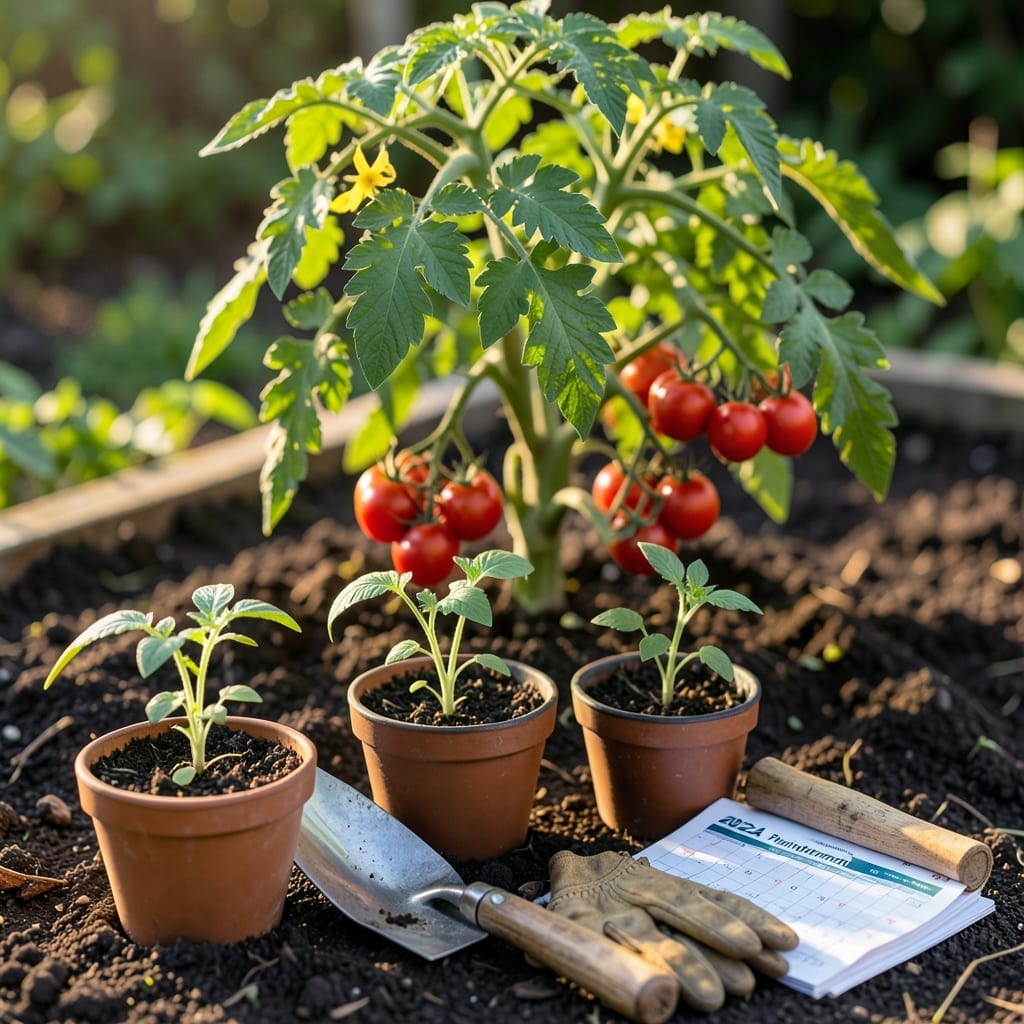
Gardening in Zone 9b offers a unique advantage with its mild winters and long growing seasons, but timing is everything for a successful harvest.
The 🌱 General Planting Calendar helps you maximize yields by knowing exactly when to start seeds, transplant seedlings, and harvest your favorite crops.
With 300 frost-free days, this region lets you grow year-round, but you’ll need to plan carefully to avoid the mid-summer heat for cool-season crops.
Discover how to make the most of your garden in this climate, whether you’re planting vegetables, flowers, or herbs. Let’s get started.
In Zone 9b, I love the flexibility of nearly year-round gardening. The mild winters and hot summers create perfect conditions for both cool-season and warm-season crops. Timing is key though.
I’ve found that starting tomatoes and peppers in late winter ensures a strong spring harvest. Meanwhile, lettuce and spinach thrive when planted in early fall to avoid summer heat 🌱
| Season | Crops to Plant | Notes |
|---|---|---|
| Winter | Peas, Potatoes, Carrots | Cool-season favorites |
| Spring | Tomatoes, Peppers, Beans | Start after last frost |
| Summer | Okra, Sweet Potatoes, Eggplant | Heat-tolerant varieties |
| Fall | Lettuce, Spinach, Kale | Avoid mid-summer heat |
For herbs, I plant basil and cilantro in early spring. They grow quickly in the warming soil. Rosemary and thyme are perfect for fall planting since they handle cooler temps well.
I always check the soil temperature before planting. Tomatoes need soil above 60°F, while peas prefer cooler soil around 50°F. A simple soil thermometer helps me time it right.
Watering is crucial in Zone 9b. I water my garden deeply 2-3 times per week in summer, but reduce to once a week in winter. Mulching helps retain moisture and keeps roots cool during hot spells.
I’ve learned that succession planting works wonderfully here. After harvesting spring lettuce, I immediately plant summer squash in the same space. This keeps my garden productive all year.
Don’t forget about soil prep. I add compost before each planting season to ensure my plants have the nutrients they need. A balanced fertilizer every 4-6 weeks keeps them thriving.
For the best results, I use drip irrigation to deliver water directly to the roots. This method saves water and reduces disease risk by keeping foliage dry. It’s a game-changer in our dry summer months ☀️
Finally, I monitor for pests regularly. Aphids and whiteflies love the warm climate, so I inspect my plants weekly. Neem oil and companion planting help keep them under control naturally.
In Zone 9b, you can enjoy vibrant blooms all year with the right flower choices. I’ve found that selecting heat-tolerant annuals and drought-resistant perennials ensures continuous color even in the peak summer months.
For spring and fall, try planting petunias or marigolds, which thrive in moderate temperatures. In the hottest months, switch to lantana or portulaca for resilience against the sun.
Top Flowers for Zone 9b by Season
For year-round color, I recommend planting perennials like salvias or coneflowers. These hardy plants return every year and require minimal maintenance once established.
Bulbs are another great option. Daffodils and tulips can be planted in late fall for early spring blooms, while daylilies provide summer color with little fuss.
Don’t forget to mulch around your flowers to retain moisture, especially during the dry months. This simple step can make a big difference in keeping your garden vibrant.
With the right selection and care, your Zone 9b garden can be a riot of color in every season. Start with easy-care varieties and expand as you gain confidence. 🌸