
Beautiful Plants For Your Interior
Beautiful Plants For Your Interior
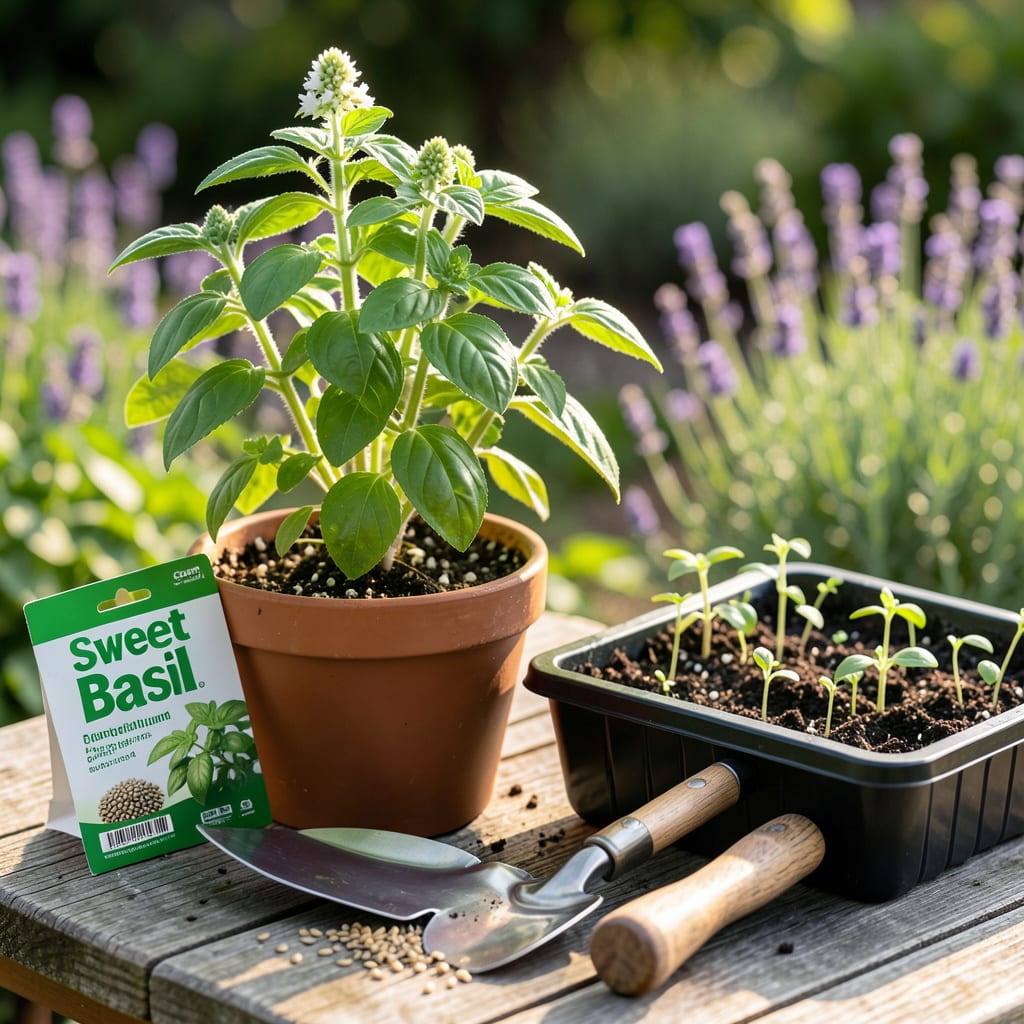
Florida gardeners have a unique advantage: you can grow fresh basil almost year-round—if you time it right. The Sunshine State’s climate means different rules apply here than in cooler zones, and planting at the wrong time can leave you with wilted or bolted plants.
I’ll break down the exact months to plant in zones 9-10, how to work around Florida’s intense summers, and which varieties thrive in the heat. Whether you’re in Miami or Tallahassee, you’ll learn how to keep your basil flourishing through multiple harvests.
If you’ve ever tried growing basil in Florida, you know our climate is both a blessing and a challenge. While we can grow this fragrant herb almost year-round, the timing makes all the difference. Plant too late in spring, and your basil might bolt in the scorching summer heat. Start too early in fall, and a surprise cold snap could wipe out your crop.
Florida’s USDA Zones 9-10 give us a long growing season, but the ideal planting windows vary by region. North Florida gardeners need to watch for frost, while Central and South Florida can often plant basil nearly anytime—with a few smart adjustments. Let’s break down the best months to plant for bigger harvests and healthier plants.
| Florida Region | Spring Planting | Fall Planting | Winter Notes |
|---|---|---|---|
| North Florida (Zone 9a) |
March–April After last frost (mid-March) |
September–October 6–8 weeks before first frost |
Avoid Dec–Feb; use row covers for late fall crops |
| Central Florida (Zone 9b–10a) |
February–March Soil temps above 50°F |
October–November Cooler temps reduce bolting risk |
Can plant year-round with summer shade |
| South Florida (Zone 10b–11) |
Year-round Best: Oct–March |
All season Avoid June–Aug heat |
Use 30% shade cloth in peak summer |
In North Florida (Zone 9a), your safest bet is planting basil in March or April, once soil temperatures hit 50°F or higher. If you miss the spring window, aim for early September to get a fall crop before frost. I’ve found that Genovese basil does well here if planted early enough to avoid summer’s peak heat.
For Central Florida (Zones 9b–10a), you’ve got more flexibility. Start seeds indoors in January for a head start, or direct-sow in February–March. Fall planting is even easier—October plantings often thrive through winter. Just watch for pests like aphids, which love our mild winters.
Down in South Florida (Zones 10b–11), you can grow basil almost anytime, but summer is tricky. The intense heat and humidity cause basil to bolt quickly. I recommend planting in fall (October–November) or late winter for the best results. If you must plant in summer, use shade cloth and morning watering to keep plants cool.
No matter where you are in Florida, soil temperature is key. Basil seeds germinate best when soil is 70–85°F. Use a soil thermometer to check—if it’s too cool, seeds may rot. In summer, mulch heavily to keep roots cool and moist. A 2–3 inch layer of straw works wonders.
If you’re growing in containers (great for Florida’s sandy soil!), you can extend the season by moving pots to shadier spots in summer or sunnier areas in winter. I’ve had success with self-watering pots to combat our fast-draining soil. Just ensure containers have drainage holes—basil hates soggy roots!
For year-round basil, try succession planting: sow new seeds every 4–6 weeks. This ensures you always have fresh leaves, even if one batch bolts. In South Florida, I’ve kept basil producing for 8+ months using this method, paired with regular pruning to delay flowering.
Remember, Florida’s hurricane season (June–November) can bring heavy rains. If storms are forecasted, harvest basil beforehand—waterlogged soil can drown roots. After storms, check for fungal issues and prune damaged leaves to keep plants healthy.
By matching your planting schedule to Florida’s microclimates and using simple protections like shade cloth or row covers, you can enjoy homegrown basil nearly year-round. Next, let’s dive into how to protect your plants from Florida’s infamous heat and humidity! 🌿
Florida’s intense heat and humidity can turn your thriving basil into a wilted, bitter mess—unless you take a few key precautions. The secret isn’t just about planting at the right time (though that helps!), but also about managing microclimates and adjusting care routines for our unique weather.
I’ve lost count of how many times I’ve seen basil bolt overnight in July or succumb to powdery mildew after a week of afternoon rain. The good news? With a few simple strategies, you can keep your basil lush and productive even in the dog days of summer. Here’s how to beat the heat and humidity.
One of the biggest mistakes I see Florida gardeners make is planting basil in full sun year-round. While basil loves sunlight, our UV index often exceeds 10 in summer—enough to scorch leaves in hours. If you’re growing in containers, move pots to a spot with afternoon shade, like under a tree or patio cover.
For in-ground basil, consider planting near taller crops (like tomatoes or peppers) that can provide natural shade. Just ensure basil still gets 4–6 hours of direct sun daily. In South Florida, I’ve had success growing basil under banana trees, which offer dappled shade without blocking all light.
Humidity brings its own challenges, especially fungal diseases like downy mildew. If you notice yellowing leaves or white powdery spots, act fast: remove affected leaves, reduce watering, and apply a copper fungicide (organic options are available). Preventatively, space plants widely and avoid crowding—good airflow is your best defense.
Don’t forget about soil health! Florida’s sandy soil drains fast, which can stress basil in heat. Amend beds with compost or coconut coir to retain moisture without waterlogging. For containers, I use a mix of 50% potting soil, 30% compost, and 20% perlite for ideal drainage and nutrient retention.
Finally, watch for pests that love Florida’s heat as much as we do. Whiteflies, aphids, and spider mites adore basil. Blast them off with a strong spray of water early in the day, or use neem oil (apply in evening to avoid leaf burn). Ladybugs and lacewings are natural predators—consider releasing them if infestations persist.
By combining these strategies, you can grow basil in Florida even during the hottest months. The key is staying proactive: monitor plants daily, adjust shade as needed, and never let soil dry out completely. With a little extra care, you’ll be harvesting fresh, fragrant leaves long after neighbors’ plants have given up! 🌿
Not all basil is created equal when it comes to Florida’s heat and humidity. Some varieties thrive in our steamy summers, while others wilt at the first sign of 90°F temperatures. After years of testing, I’ve found the best performers—and the ones to skip.
If you’ve ever watched Genovese basil turn bitter and bolt overnight in July, you know the struggle. The key is choosing heat-tolerant varieties that resist flowering and disease. Let’s compare the top picks for Florida gardens, plus which ones to avoid.
Thai basil is my top pick for Florida gardeners. It laughs at 95°F days and keeps producing even when other varieties give up. The purple stems and spicy-sweet flavor make it a dual-purpose plant for both ornamental and culinary use. I’ve grown it successfully in containers and raised beds alike.
For a citrusy twist, Lemon basil is a close second. It’s more tolerant of partial shade than other varieties, making it ideal for summer planting under trees or shade cloth. The leaves hold their flavor well, even in heat. Try it in pesto or teas for a bright, zesty kick.
If disease resistance is your priority, ‘Nufar’ basil is a game-changer. This hybrid was bred to resist downy mildew, a common issue in Florida’s humid summers. It has the classic Genovese flavor but with better heat tolerance. I’ve had ‘Nufar’ plants last 2–3 months longer than standard sweet basil.
For something truly unique, African Blue basil is a showstopper. Its purple-tinged leaves and strong clove-like aroma make it a favorite for pollinators. Since it’s sterile, it won’t bolt, making it perfect for Florida’s long growing season. Just be prepared for its stronger flavor—it’s best used sparingly in dishes.
No matter which variety you choose, rotation is key in Florida. Plant a new batch every 6–8 weeks to ensure a steady supply. If you’re growing Genovese basil, stick to fall or winter plantings—it simply can’t handle our summers. And always sterilize your soil between plantings to prevent disease buildup in our warm, damp climate.
With the right variety and a little extra care, you can grow basil in Florida almost year-round. Experiment with a few types to see which thrives best in your microclimate—your taste buds (and your garden) will thank you! 🌱
Yes, but with summer precautions. South Florida (Zones 10b–11) allows year-round planting, though June–August requires 30% shade cloth and extra watering. Fall and winter plantings thrive with minimal effort.
Planting Genovese basil in summer. This classic variety bolts quickly in 90°F+ heat. Instead, opt for Thai or ‘Nufar’ basil during hot months, and save Genovese for fall/winter plantings.
Improve airflow and reduce moisture. Space plants 12–18 inches apart, water at the base (never overhead), and use morning irrigation. A thin layer of straw mulch helps prevent soil splash while allowing airflow.
Containers win for flexibility. Florida’s sandy soil drains too fast, while pots let you control moisture and move plants to shade during summer. Use self-watering containers with 50% potting soil/30% compost mix for best results.
Yes, but prepare for storms. Hurricane season (June–November) brings heavy rains that can waterlog soil. Plant in raised beds or containers with drainage, and harvest before storms. After rain, check for fungal spots and prune damaged leaves.
