
Beautiful Plants For Your Interior
Beautiful Plants For Your Interior
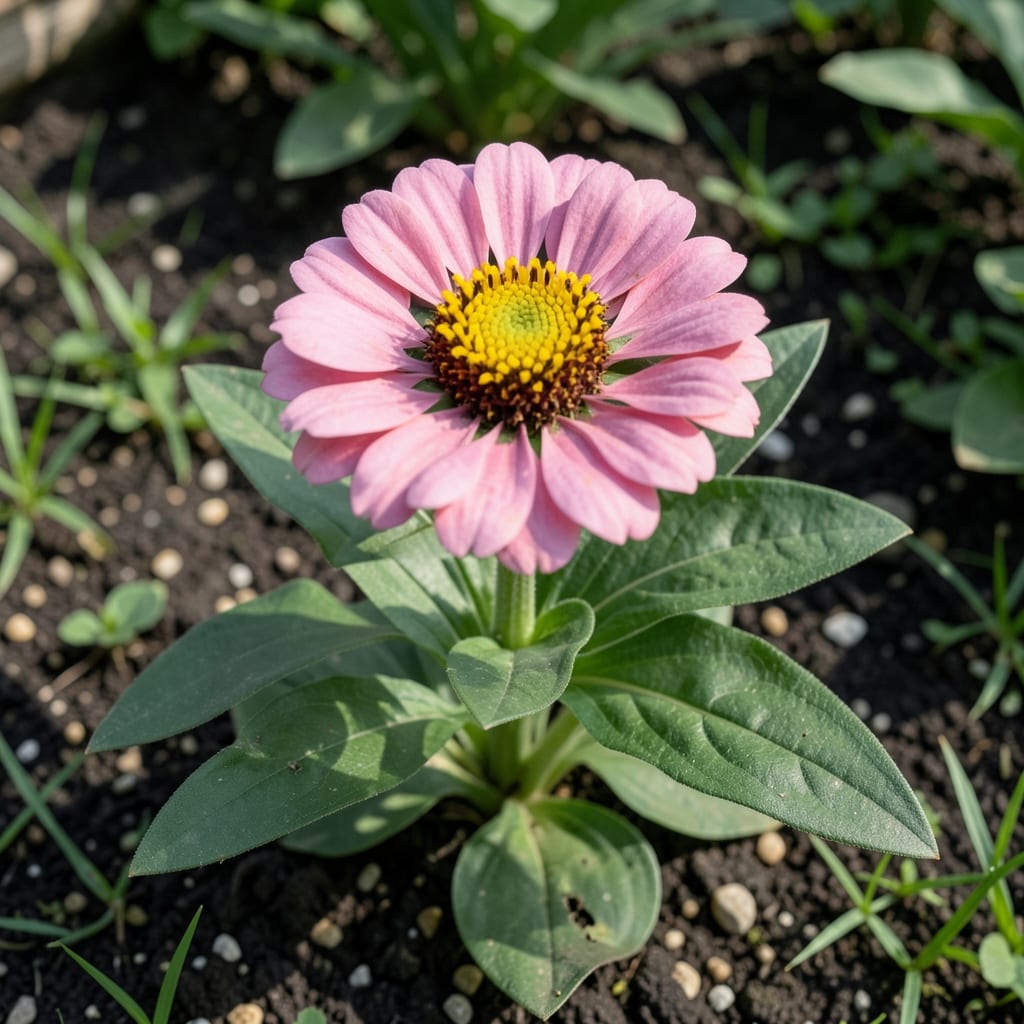
Zinnias bring color and life to any garden, but watching them suffer from disease is heartbreaking. I’ve lost entire beds to problems I couldn’t identify until it was too late.
This visual guide helps you spot the early warning signs—spotted leaves, wilting stems, or powdery coatings—before they spread. Most issues stem from 3 common culprits: poor air circulation, overwatering, or fungal spores.
You’ll learn to match symptoms to solutions, from adjusting watering habits to applying organic treatments. The difference between saving your plants and losing them often comes down to catching problems early.
Works for all zinnia varieties, from dwarf cultivars to towering cut-flower types. Clear images make diagnosis simple.
Zinnia diseases often stem from environmental stressors, pathogens, or poor cultural practices. Understanding these causes helps you prevent issues before they appear. Below are the primary culprits behind common zinnia ailments:
Excess moisture is the leading cause of fungal diseases like powdery mildew and alternaria leaf spot. Erysiphe cichoracearum, the fungus behind powdery mildew, thrives in humid conditions with poor air circulation. Overhead watering or crowded plantings create the perfect breeding ground for spores to spread. Similarly, Alternaria zinniae flourishes in wet foliage, leading to dark, concentric spots on leaves.
Bacteria such as Xanthomonas and Pseudomonas cause bacterial leaf spot and blight. These pathogens enter through wounds or stomata (leaf pores), often spread by splashing water or contaminated tools. Warm, wet weather accelerates their growth, resulting in yellowing, wilting, or blackened stems.
Viruses like Zinnia yellow mosaic virus are typically spread by aphids and other sap-sucking insects. These pests inject the virus into plant tissues while feeding, leading to stunted growth, distorted leaves, or mottled yellow patterns. Infected plants often act as reservoirs, spreading the disease to healthy zinnias nearby.
Extreme temperatures, drought, or nutrient deficiencies weaken zinnias, making them more susceptible to disease. Heat stress can trigger heat scorch, while over-fertilization (especially with nitrogen) promotes lush but tender growth that’s prone to fungal attacks. Poor soil drainage also leads to root rot, caused by Phytophthora or Pythium fungi.
Dealing with zinnia diseases doesn’t have to be daunting. Below are practical solutions for the most common problems, along with prevention tips to keep your zinnias thriving. Address issues early for the best results!
If you spot white, powdery spots on leaves, remove infected foliage immediately and avoid overhead watering. Space plants 12–18 inches apart for better airflow. Prevention tip: 💡 Water at the base in the morning so leaves dry quickly. Apply a baking soda spray (1 tsp baking soda + 1 quart water + a few drops of dish soap) weekly as a natural fungicide.
Dark, water-soaked spots with yellow halos? Remove affected leaves and disinfect pruning tools with rubbing alcohol between cuts. Avoid working with wet plants to limit spread. Prevention tip: ✨ Rotate crops yearly and use drip irrigation to keep foliage dry. Copper-based fungicides can help in severe cases.
Check undersides of leaves for tiny pests. Blast them off with water or introduce ladybugs or lacewings as natural predators. For heavy infestations, use insecticidal soap or neem oil. Prevention tip: 🎯 Encourage beneficial insects by planting companion flowers like marigolds or alyssum.
Wilting, yellowing, or mushy stems often signal root rot. Stop watering immediately and improve drainage by amending soil with compost or sand. Remove severely affected plants to prevent spread. Prevention tip: 🌡️ Use raised beds or containers if your soil retains too much moisture.
Brown or purple spots with concentric rings? Remove infected leaves and apply a copper-based fungicide. Clean up plant debris around zinnias to reduce fungal spores. Prevention tip: 💡 Avoid crowding plants and rotate planting locations each year.
By staying vigilant and acting fast, you can protect your zinnias from these common issues and enjoy a vibrant, healthy garden!
Look for white, powdery spots on upper leaf surfaces. It often starts on lower leaves and spreads upward.
This is typically Alternaria leaf spot. It thrives in wet conditions, so improve airflow and avoid overhead watering.
Remove affected plants immediately to prevent spread. Improve drainage and avoid overwatering. Early cases may recover.
Yes! Use copper-based fungicides or a baking soda spray. Always remove infected leaves first.