
Beautiful Plants For Your Interior
Beautiful Plants For Your Interior
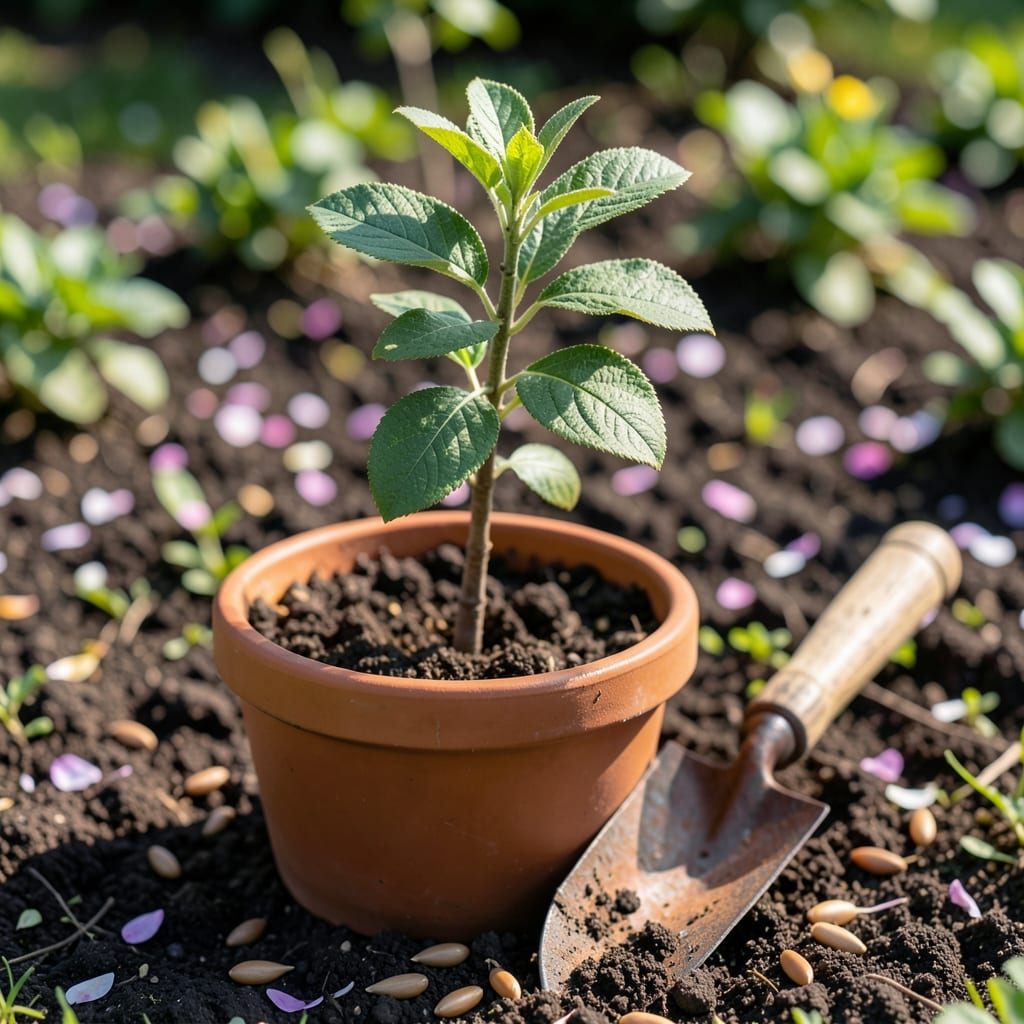
Yes, you can grow a plum tree from a seed, but it may take 3-5 years to bear fruit and the fruit quality may differ from the parent. Proper stratification and planting conditions are key to success.
I’ve successfully grown plum trees this way, and the process starts with breaking the pit’s dormancy through cold treatment. 🌱 The resulting tree often develops unique characteristics because it grows from a hybrid seed rather than a cloned variety. It’s rewarding to watch the seedling mature, though you’ll need patience as it establishes its root system before any fruit appears.
💡 In This Article
Plum seeds enter a state of dormancy that prevents immediate germination. This natural survival mechanism ensures seeds only sprout under ideal conditions. The hard pit protects the embryo, but it also creates a barrier that must be broken through stratification—a cold treatment mimicking winter that softens the shell and triggers growth hormones. 🌱
Stratification typically requires 60-90 days of cold, moist conditions at temperatures between 34-40°F. This process mimics the seed’s natural winter experience, allowing it to sense when spring arrives. Without this cold period, the seed may remain dormant indefinitely, as the embryo lacks the signal to begin development.
The long wait for fruit production comes from the tree’s need to establish a strong root system and mature wood. A seed-grown plum tree focuses its energy on growth for the first 2-3 years, developing the structural foundation needed to support fruit.
Even then, it may take additional years for the tree to reach full reproductive maturity.
Genetic variation plays a significant role in this timeline. Unlike grafted trees that maintain the parent’s characteristics, seed-grown plums develop unique traits. This genetic diversity means your tree could produce fruit that differs in size, color, or taste from the original plum.
The tree’s growth rate and fruit quality are influenced by its specific genetic makeup.
Environmental factors also impact the timeline. Trees grown in optimal conditions with full sun, well-draining soil, and consistent watering may bear fruit sooner. Conversely, stress from poor soil, inadequate water, or extreme temperatures can delay fruiting by several years as the tree conserves energy for survival.
What many don’t realize is that even after the tree matures, it may produce inconsistent crops for the first few years. The tree is still learning to allocate resources between growth and fruit production, which is why commercial growers often prefer grafted varieties for more predictable results. ⚡
Stratification typically requires 60-90 days in cold, moist conditions at 34-40°F. This cold treatment mimics winter and softens the hard pit to trigger germination.
Not necessarily. Seed-grown trees often produce fruit with different size, color, or flavor due to genetic variation. Grafted trees are better for consistent fruit quality.
Use well-draining, loamy soil rich in organic matter. The planting hole should be twice as wide as the root ball but no deeper than the container.
Young trees require at least 6-8 hours of sunlight daily. Full sun exposure helps establish strong growth and future fruit production.