
Beautiful Plants For Your Interior
Beautiful Plants For Your Interior
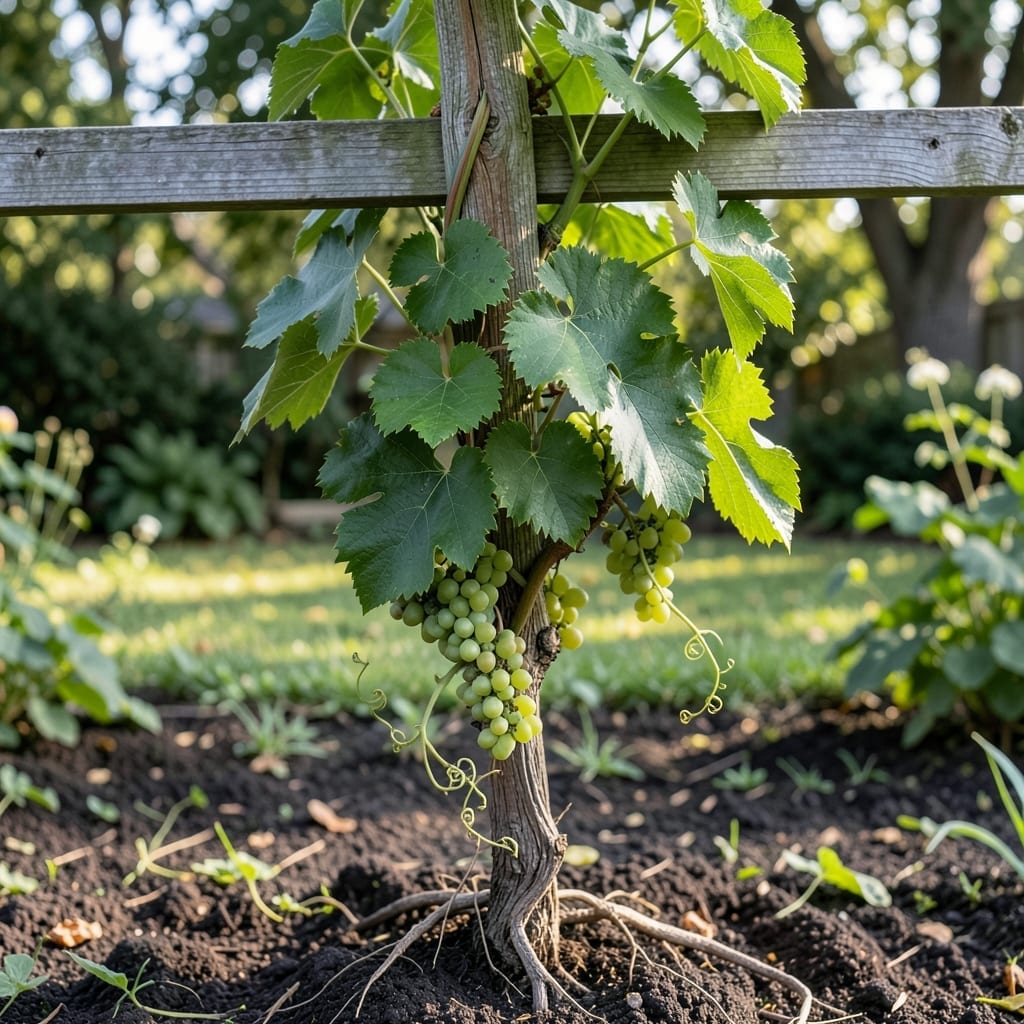
Grape leaves are generally safe when consumed in food amounts, but excessive intake may cause digestive upset, allergic reactions in sensitive individuals, or interactions with certain medications like blood thinners.
I’ve found that most issues arise from overconsumption rather than normal culinary use. The tannins in grape leaves can irritate the stomach lining in large quantities, while their natural oxalates might pose problems for those prone to kidney stones. 🔥
Additionally, some people experience mild rashes or itching due to sensitivity to compounds in the leaves, so it’s wise to test a small amount first.
💡 In This Article
The tannins in grape leaves are the primary culprits behind digestive discomfort. These polyphenolic compounds bind to proteins in your saliva and stomach lining, which can slow digestion and cause mild to moderate irritation in sensitive individuals. 🔥
At high concentrations, tannins may trigger nausea or stomach cramps, especially if you consume more than 5-10 fresh leaves at once. The effect is similar to drinking strong black tea on an empty stomach, but more pronounced due to the leaves’ concentrated tannin content.
Oxalates present another concern, particularly for those with kidney issues. Grape leaves contain approximately 20-50mg of oxalates per 100g, which can contribute to kidney stone formation in susceptible individuals when consumed in excess over time.
For medication interactions, the vitamin K content in grape leaves—about 10-15mcg per leaf—can interfere with blood thinners like warfarin. This vitamin helps with blood clotting, so consistent high intake might counteract your medication’s effects.
Allergic reactions, though rare, typically manifest as skin rashes or itching. These are usually triggered by proteins in the leaf that some immune systems mistakenly identify as harmful, similar to how some people react to raw fruits with thin skins.
The compounds that cause these reactions are most concentrated in raw leaves. Traditional preparation methods like blanching or brining can reduce tannin content by up to 30-40%, making them gentler on your system. ✨
Yes, consuming more than 5-10 fresh leaves at once may cause nausea or cramps due to high tannin content. Start with 3-4 leaves to test your tolerance.
Consult your doctor first. The vitamin K in leaves can interfere with medications like warfarin. A single serving occasionally is unlikely to cause issues.
Blanch in boiling water for 2-3 minutes or soak in salted water for 12-24 hours. This cuts bitterness and tannins by up to 40%.
Watch for stomach ache, bloating, or a metallic taste. These typically appear within a few hours and indicate you should reduce intake.