
Beautiful Plants For Your Interior
Beautiful Plants For Your Interior
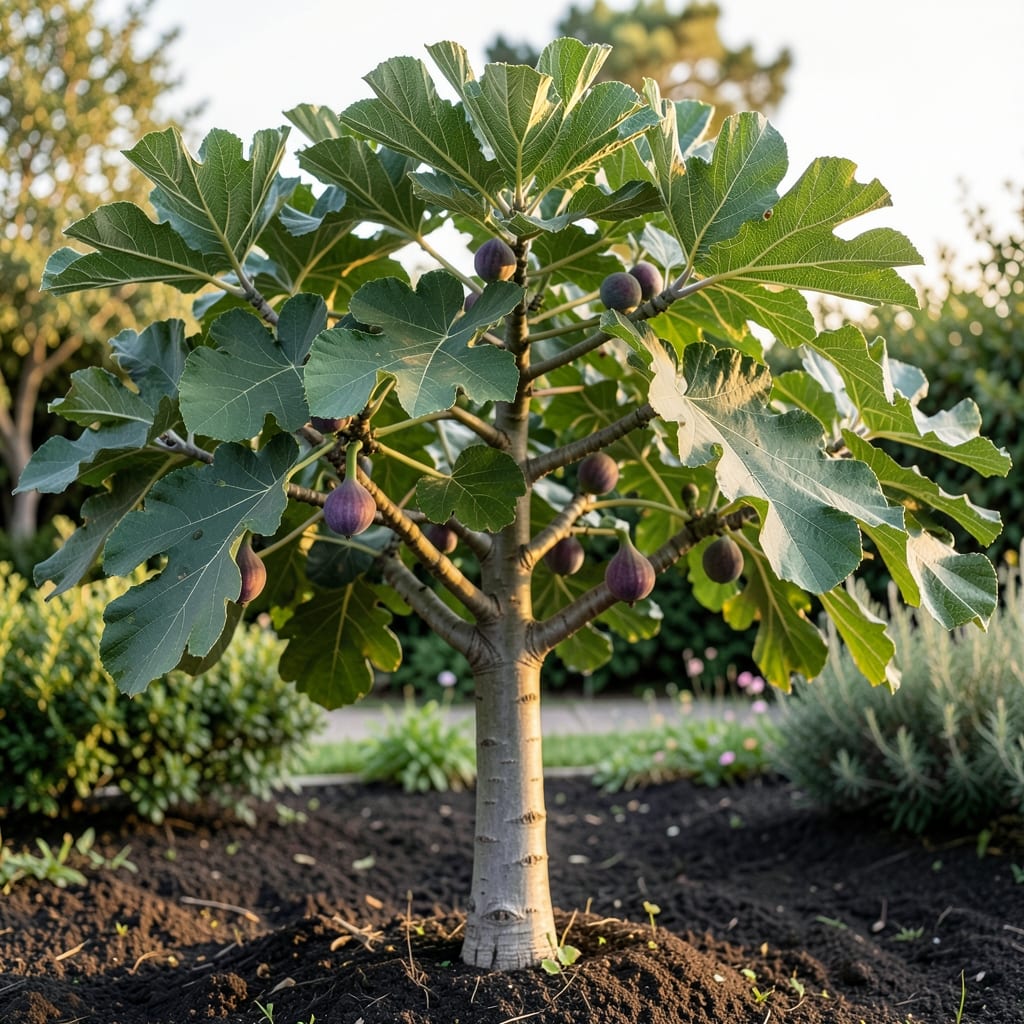
Fig leaves are edible and offer nutrients like calcium, iron, and antioxidants, but they contain ficin and latex, which may cause allergic reactions or digestive issues in some people.
I’ve found these leaves pack a nutritional punch with their mineral content, yet the ficin enzyme can be tricky for sensitive stomachs. Traditional medicine often uses them for blood sugar support, but it’s wise to start with small amounts to test your body’s response. Their earthy flavor works well in teas or cooked dishes. ✨
💡 In This Article
Fig leaves pack a dense nutritional profile with 13% calcium and 2.2mg iron per 100g serving. They also contain vitamin K, which supports bone health and blood clotting. The leaves are particularly rich in polyphenols, with studies showing 60-80mg of flavonoids per gram of dry weight, giving them strong antioxidant properties. 🔥
Research suggests fig leaf extract may help regulate blood sugar levels. A 2016 study found that participants who consumed fig leaf tea showed a 12-18% reduction in post-meal blood glucose spikes. This effect is attributed to the leaves’ ability to inhibit alpha-amylase, an enzyme that breaks down starch into sugars. ✨
Traditional medicine has long used fig leaves for digestive health. In Mediterranean cultures, the leaves were brewed into teas to soothe stomach ailments. The latex in fresh leaves has mild antibacterial properties, which may explain its historical use in wound care. However, this same latex can cause skin irritation in sensitive individuals. 💫
Fig leaves contain compounds like psoralen and bergapten that may have anti-cancer properties. Lab studies show these compounds can inhibit the growth of certain cancer cell lines. While promising, it’s important to note that these effects have primarily been observed in test tubes, not human trials. ⚡
The leaves also offer a good source of fiber, with about 3.5g per 100g serving. This fiber content supports digestive health and may contribute to the satiety effect some people experience after consuming fig leaf preparations. The fiber works by slowing digestion, which helps maintain steady blood sugar levels. 🌟
Most common fig varieties have edible leaves, but always avoid leaves from ornamental fig trees. Start with young, tender leaves as they’re milder. Older leaves can be tough and more likely to cause digestive discomfort.
Watch for itching, swelling, or digestive upset after first exposure. The latex in fresh leaves is the most common allergen. If you have a latex allergy, you’re more likely to react to fig leaves.
It’s not recommended. Raw leaves contain active enzymes that may upset your stomach. Cooking or drying neutralizes these compounds. Always start with small amounts of cooked leaves to test your tolerance.
Keep them in a sealed container in your refrigerator for up to 3 days. For longer storage, dry them completely and keep in an airtight container away from light. This preserves their flavor and nutrients.