
Beautiful Plants For Your Interior
Beautiful Plants For Your Interior
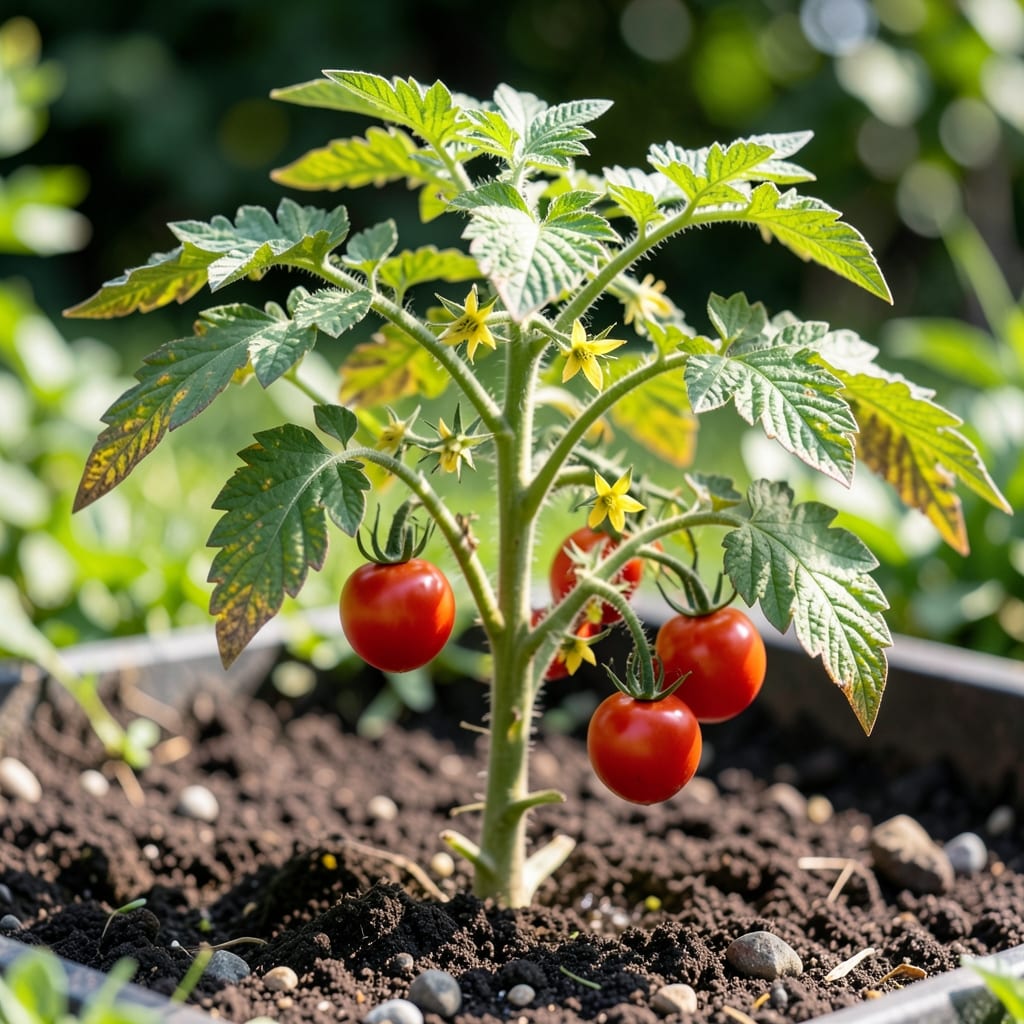
Tomato leaves turning yellow feel like a garden emergency. I’ve seen entire plants decline overnight when this problem isn’t caught early.
Most cases come down to simple fixes: too much water, not enough nutrients, or pests hiding under the foliage. The key is matching the symptoms to the right solution quickly.
With the right approach, your plants can bounce back in 1-2 weeks. I’ve saved more tomato crops than I can count by catching the issue before it spreads.
This works for container plants, in-ground gardens, and even greenhouse setups. Let’s get those leaves green again.
When your tomato plants start showing yellow leaves, it’s often their way of signaling distress. Below are the most common scientific causes, each with actionable insights.
Tomatoes are heavy feeders, and a lack of nitrogen, magnesium, or iron can trigger chlorosis (yellowing). Nitrogen deficiency typically starts in older leaves, while magnesium (central to chlorophyll) causes interveinal yellowing—green veins with yellow tissue. Iron deficiency, often due to high soil pH, yellows new growth first. Test soil and amend with compost or targeted organic fertilizers like Epsom salt (for magnesium).
Extreme temperatures, waterlogging, or drought disrupt nutrient uptake. Heat stress (>90°F) accelerates leaf senescence, while cold snaps (<50°F) slow metabolic processes, both leading to yellowing. Overwatering suffocates roots, reducing oxygen and nutrient absorption. Ensure consistent moisture (1–2 inches of water weekly) and mulch to regulate soil temperature.
Pathogens like Fusarium or Verticillium wilt block water transport in xylem vessels, causing systemic yellowing and wilting. Early blight (Alternaria solani) starts as brown spots with yellow halos on lower leaves. Bacterial leaf spot (Xanthomonas) creates water-soaked yellow patches. Rotate crops, use resistant varieties, and apply copper-based fungicides preventatively.
Sap-sucking insects like aphids, whiteflies, or spider mites drain plant fluids and inject toxins, leading to stippled yellowing or mottling. Their honeydew also promotes sooty mold, further stressing foliage. Introduce beneficial insects (e.g., ladybugs) or spray with neem oil at first signs of infestation.
Addressing yellowing tomato leaves starts with identifying the root cause and applying targeted fixes. Here’s how to tackle common issues:
If soggy soil is the culprit, let the top inch of soil dry out before watering again. Improve drainage by amending the soil with compost or perlite. Prevention tip: Use raised beds or containers with drainage holes to avoid waterlogged roots.
Yellow leaves often signal a lack of nitrogen, magnesium, or iron. Apply a balanced organic fertilizer or compost tea for nitrogen. For magnesium, use Epsom salt (1 tablespoon per gallon of water) as a foliar spray. Prevention tip: Test soil annually and enrich it with organic matter before planting.
Too much direct sun can scorch leaves, while cold snaps stunt growth. Provide afternoon shade in hot climates and use row covers for chilly nights. Prevention tip: Plant tomatoes in a spot with 6–8 hours of sunlight and consistent temperatures (70–85°F).
Aphids, whiteflies, and spider mites sap nutrients, causing yellowing. Spray with neem oil or insecticidal soap, and introduce beneficial insects like ladybugs. Prevention tip: Inspect plants weekly and remove pests manually when spotted early.
Fungal issues (e.g., early blight) create yellow patches with dark spots. Remove affected leaves and apply copper fungicide. Improve airflow by pruning and spacing plants. Prevention tip: Rotate crops yearly and avoid overhead watering to keep foliage dry.
Pro tip 💡: Always sanitize gardening tools to prevent spreading pathogens between plants.
This typically signals a nitrogen deficiency or natural aging. Older leaves sacrifice themselves when nitrogen is scarce. Check your soil and add a balanced organic fertilizer if needed.
Unfortunately, once leaves turn yellow they won’t regain their green color. Focus on improving plant health so new growth emerges vibrant. Remove severely yellowed leaves to redirect energy.
Start with well-draining soil rich in organic matter. Test soil pH (aim for 6.0-6.8) and rotate crops yearly. Consistent watering and regular pest inspections also help.