
Beautiful Plants For Your Interior
Beautiful Plants For Your Interior
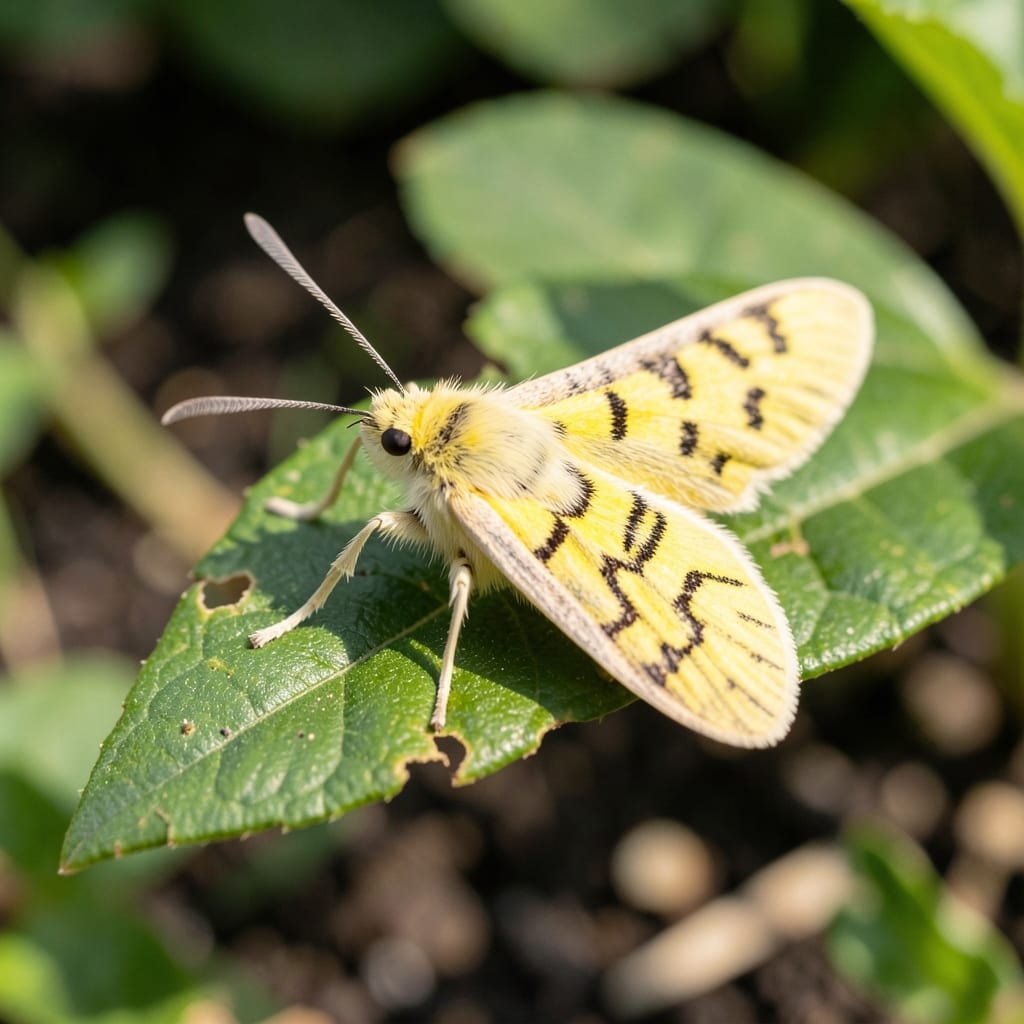
I first spotted them chewing through my bean leaves last summer. The yellow striped army moth looks innocent as a caterpillar but can defoliate plants overnight if left unchecked.
These pests target grasses, grains, and garden veggies, leaving ragged edges on leaves. Their telltale yellow stripes running lengthwise make identification easier than you’d think.
Natural control starts with handpicking and dropping them in soapy water. Beneficial insects like parasitic wasps help too, keeping populations in balance without chemicals.
Prevention means removing plant debris and rotating crops. A little vigilance now saves your garden from these hungry invaders later.
Understanding why yellow striped army moth outbreaks occur can help you prevent them. These pests thrive under specific environmental and agricultural conditions. Below are the primary causes of their population surges.
The larvae of these moths feed voraciously on grasses, grains, and broadleaf plants. When fields or gardens are densely planted with their preferred hosts—such as corn, wheat, or sorghum—it creates an ideal breeding ground. Monoculture farming (growing a single crop over large areas) exacerbates the problem by providing unlimited food resources, allowing populations to explode rapidly.
These moths are highly sensitive to climate. Prolonged periods of warm, dry weather accelerate their life cycle, enabling faster reproduction. Drought conditions also weaken host plants, making them more susceptible to infestation. Regions with mild winters may see earlier or more severe outbreaks, as pupae survive better in frost-free conditions.
In balanced ecosystems, predators like parasitic wasps, birds, and ground beetles keep army moth numbers in check. However, excessive pesticide use or habitat destruction can eliminate these natural controls. Without predators, moth populations grow unchecked, leading to widespread crop damage.
Improper field management—such as leftover crop residues, unrotated crops, or poor soil health—can sustain moth larvae between growing seasons. No-till farming, while beneficial for soil conservation, may inadvertently provide shelter for overwintering pupae if not paired with pest monitoring.
Dealing with a yellow striped army moth outbreak in your garden or crops can feel overwhelming, but targeted solutions can help you regain control. Below are practical fixes for common causes, paired with prevention tips to keep them from returning.
Dense plant growth provides shelter for moths and their larvae. Prune overgrown areas and thin out crowded plants to improve airflow and reduce hiding spots. Remove weeds and debris where eggs might be laid.
Prevention tip: 💡 Maintain regular garden upkeep, especially during warm months when moths are most active.
Protect vulnerable plants with floating row covers to physically block adult moths from laying eggs. Secure the edges with soil or weights to prevent gaps.
Prevention tip: 🌱 Rotate crops annually to disrupt the moths’ life cycle and reduce recurring infestations.
Introduce beneficial insects like parasitic wasps or ground beetles, which prey on moth eggs and larvae. For organic control, sprinkle diatomaceous earth around plants—it dehydrates soft-bodied larvae on contact.
Prevention tip: ✨ Encourage a diverse ecosystem with native plants to attract natural predators year-round.
Standing water or soggy soil can attract moths. Fix drainage issues by amending soil with compost or creating raised beds. Avoid overwatering, especially in the evening.
Prevention tip: 🎯 Water plants early in the day so foliage dries quickly, reducing humidity that moths favor.
These caterpillars target grasses, grains, and garden vegetables. Corn, wheat, and sorghum are prime hosts, but they’ll also munch on beans and leafy greens.
Look for ragged leaf edges or skeletonized foliage. The caterpillars have distinct yellow stripes along their bodies, making them easier to identify than many pests.
Not always! Start with handpicking, row covers, or natural predators like parasitic wasps. Chemical options are best saved for severe outbreaks.
Act at the first sign of damage, especially in warm, dry weather when populations grow quickly. Evening inspections with a flashlight can help spot active caterpillars.