
Beautiful Plants For Your Interior
Beautiful Plants For Your Interior
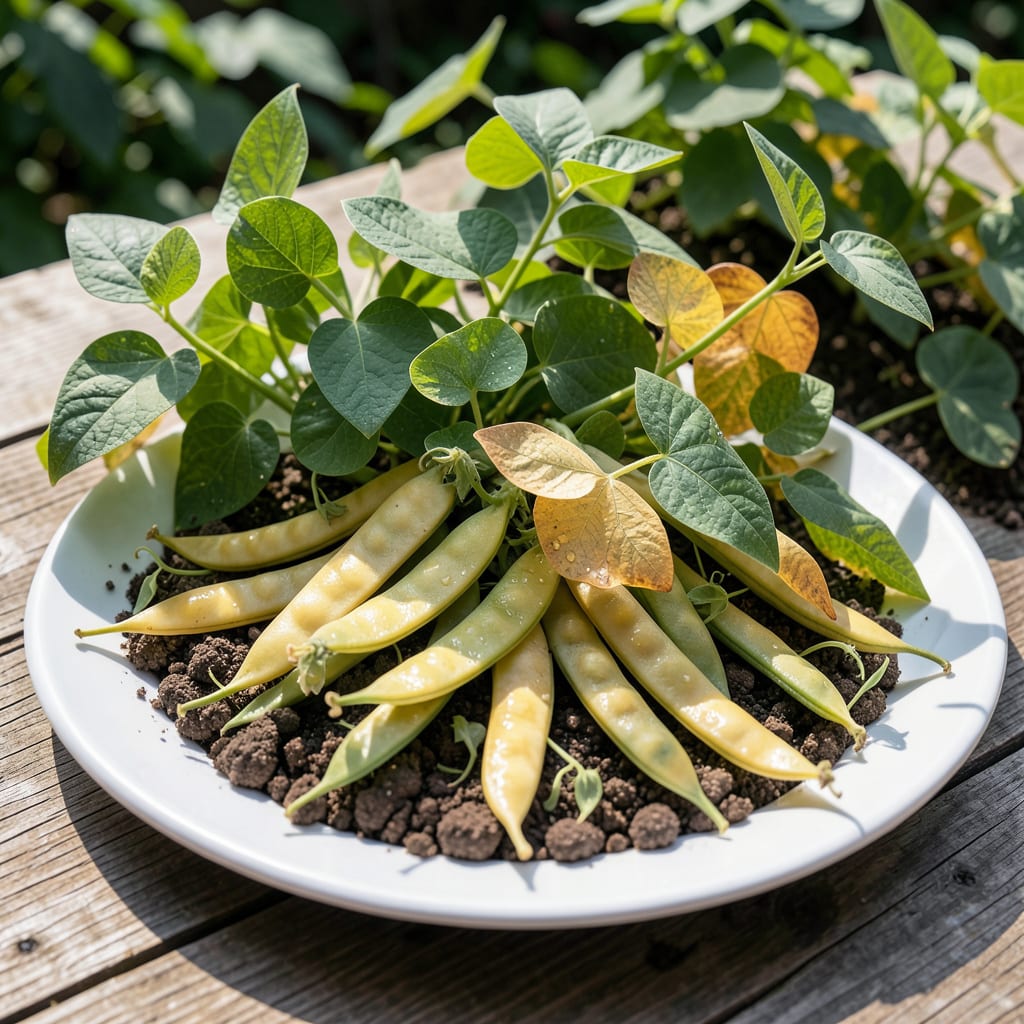
Yellowing bean leaves sent me into a panic my first season. Turns out, it’s usually one of three simple issues that even beginners can fix.
Most often it’s overwatering, nutrient hunger, or a sneaky pest problem. I’ve learned to check the soil first—if it’s soggy or bone dry, that’s your culprit. 3 minutes with a moisture meter beats hours of guessing.
You’ll spot the difference between normal aging and trouble fast once you know what to look for. The leaves tell a story—curling edges scream overwatering, while spots usually mean pests or disease.
Fix it early and your plants bounce back within 7-10 days. The solution is always simpler than you think.
Bean leaves turn yellow due to a range of environmental, nutritional, and pathological factors. Identifying the root cause is key to restoring plant health.
Excess moisture suffocates roots, reducing oxygen uptake and leading to nutrient deficiencies. Waterlogged soil also promotes fungal growth (e.g., Phytophthora), which rots roots and disrupts water transport. Check soil moisture 2 inches deep—only water if dry.
Yellowing often signals a lack of nitrogen (uniform pale leaves), magnesium (interveinal chlorosis), or iron (young leaves yellow first). Test soil pH (ideal: 6.0–7.0); acidic or alkaline conditions can lock out nutrients even if present.
Extreme heat, cold, or sudden temperature swings disrupt chlorophyll production. Beans prefer 60–80°F. Sunburn (white/yellow patches) occurs with excessive direct light, while cold stress (<50°F) slows metabolism, causing uniform yellowing.
Fusarium wilt and bacterial blight block vascular tissue, starving leaves of water and nutrients. Look for wilting, brown veins, or leaf spots. Remove infected plants and rotate crops to prevent recurrence.
Sap-sucking pests like aphids and whiteflies drain plant fluids, causing stunted growth and yellowing. Check leaf undersides for clusters or sticky residue (honeydew). Treat with insecticidal soap or neem oil.
Here’s how to tackle each common cause of yellowing bean leaves, with practical fixes and prevention tips to keep your plants thriving.
Fix: Let the soil dry slightly between waterings. Ensure your pots or garden beds have drainage holes. If roots are waterlogged, gently loosen the soil to improve aeration. For severe cases, repot in fresh, well-draining soil.
Prevention tip: 💡 Use a moisture meter or stick your finger 1 inch into the soil—water only if it feels dry.
Fix: Test your soil to identify missing nutrients. For nitrogen deficiency (pale yellow leaves), apply a balanced fertilizer or compost. Magnesium shortages (yellow patches) can be fixed with Epsom salt (1 tablespoon per gallon of water) sprayed on leaves.
Prevention tip: ✨ Amend soil with organic matter before planting and fertilize lightly every 4-6 weeks during the growing season.
Fix: Provide afternoon shade with a shade cloth or move potted beans to a spot with dappled sunlight. Mulch around the base to retain moisture and cool roots.
Prevention tip: 🌡️ Plant beans in early summer or late spring to avoid peak heat, and keep soil consistently moist (not soggy).
Fix: Spray leaves with neem oil or insecticidal soap to deter aphids, spider mites, or whiteflies. For severe infestations, remove heavily affected leaves or use row covers.
Prevention tip: 🎯 Encourage beneficial insects like ladybugs by planting companion flowers (e.g., marigolds) nearby.
Fix: Remove and destroy infected leaves to prevent spread. Apply a copper-based fungicide for fungal issues (like rust or powdery mildew). For bacterial blight, avoid overhead watering and rotate crops yearly.
Prevention tip: 🌧️ Water at the base of plants in the morning, and space them properly for airflow.
Water when the top 1 inch of soil feels dry. Beans need consistent moisture but hate soggy roots. Aim for 1 inch of water per week, including rainfall.
No, once leaves yellow, they won’t regreen. Focus on fixing the root cause to prevent new leaves from turning. Remove severely yellowed leaves to redirect energy to healthy growth.
Use a balanced liquid fertilizer for quick results. For magnesium, try Epsom salt spray (1 tablespoon per gallon). Always test soil first to target the right nutrient.
Yes, if they’re heavily damaged or diseased. This prevents pests and fungi from spreading. If only slightly yellow, monitor for improvement before pruning.
