
Beautiful Plants For Your Interior
Beautiful Plants For Your Interior
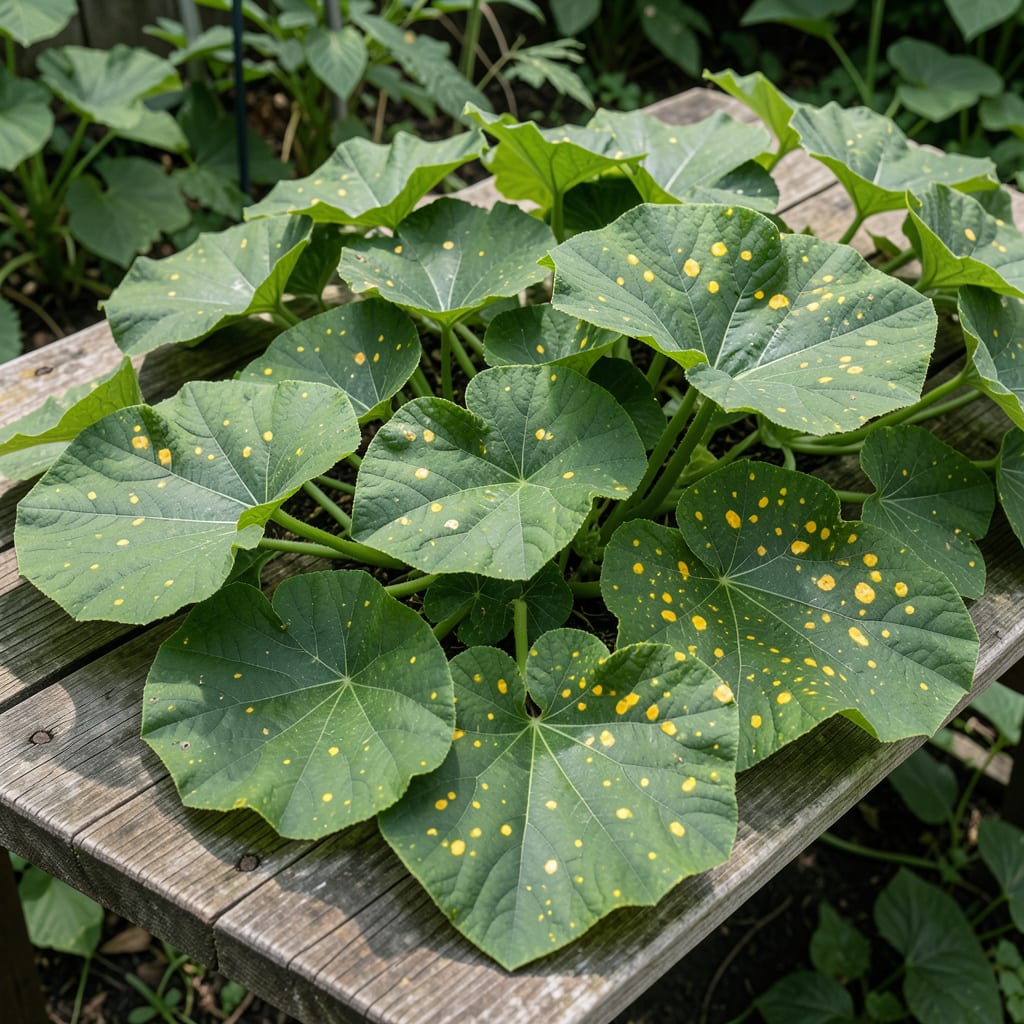
Yellow spots on your squash leaves aren’t just ugly—they’re a warning. I’ve lost entire plants to this before learning what those spots really mean.
Most cases come down to three culprits: fungal infections, hungry pests, or nutrient shortages. The good news? Each has a simple fix once you know which one you’re dealing with.
Early action saves your harvest. I’ve turned yellowing leaves back to green in under a week with the right approach, and you can too.
Works for zucchini, butternut, or any summer squash. Here’s how to diagnose and treat it fast.
Yellow spots on squash leaves can stem from several underlying issues, often tied to environmental stress, pests, or disease. Understanding the root cause is key to addressing the problem effectively. Below are the most common culprits:
Fungi like Powdery Mildew (Podosphaera xanthii) or Alternaria Leaf Spot thrive in humid, poorly ventilated conditions. These pathogens disrupt chlorophyll production, leading to yellow or necrotic spots. Action: Improve airflow, avoid overhead watering, and apply fungicides like copper-based sprays or neem oil at the first sign of infection.
Sap-sucking insects such as aphids, spider mites, or whiteflies pierce leaf tissues, causing localized yellowing (chlorosis) due to nutrient depletion. Their feeding also spreads viral diseases. Action: Inspect leaf undersides for pests and treat with insecticidal soap or horticultural oil. Introduce beneficial insects like ladybugs for natural control.
A lack of essential nutrients—particularly magnesium (interveinal chlorosis) or nitrogen (uniform yellowing)—can trigger spotty discoloration. Squash plants are heavy feeders; poor soil or imbalanced fertilization often exacerbates this. Action: Conduct a soil test and amend with compost or a balanced fertilizer (e.g., 10-10-10). For magnesium, apply Epsom salt (1 tbsp/gallon of water) as a foliar spray.
Extreme heat, drought, or waterlogged roots stress the plant, impairing its ability to photosynthesize. Heat stress often causes yellow patches between leaf veins, while overwatering leads to root rot and systemic yellowing. Action: Mulch to retain moisture, water deeply but infrequently (1–1.5 inches/week), and provide afternoon shade in scorching climates.
Bacteria like Xanthomonas cucurbitae cause small, water-soaked yellow spots that later turn brown. These spread via contaminated tools or splashing water. Action: Remove infected leaves, sanitize pruning tools with rubbing alcohol, and avoid working with plants when wet. Copper-based bactericides can help prevent spread.
Addressing yellow spots on squash leaves starts with identifying the root cause. Below are targeted fixes for common issues, along with prevention tips to keep your plants thriving.
If the spots are circular with a yellow halo, a fungus like Alternaria or Cercospora may be the culprit. Remove infected leaves immediately to prevent spreading. Apply a copper-based fungicide or a homemade mix of 1 tsp baking soda + 1 quart water + a few drops of dish soap. Spray weekly or after rain.
Prevention: Improve air circulation by spacing plants 2–3 feet apart. Water at the base in the morning to keep foliage dry. 💡 Rotate crops yearly to avoid soil-borne fungi.
Sap-sucking pests like aphids, spider mites, or squash bugs leave yellow stippling or spots. Blast them off with water or apply neem oil or insecticidal soap every 5–7 days until gone. Check leaf undersides for clusters or webbing.
Prevention: Encourage beneficial insects like ladybugs by planting companion flowers (e.g., marigolds). Use row covers early in the season to block pests. ✨
Overwatering or drought can cause yellow patches. Let the top inch of soil dry between waterings, and ensure your squash gets 1–1.5 inches of water per week. Mulch with straw to retain moisture and prevent soil splashing (which spreads disease).
Prevention: Use drip irrigation to deliver water directly to roots. Avoid wetting leaves, especially in the evening. 🌡️
Yellowing between leaf veins often signals a lack of magnesium or iron. Apply Epsom salt (1 tbsp per gallon of water) for magnesium, or a chelated iron supplement for iron deficiency. A balanced fertilizer (10-10-10) can correct general deficiencies.
Prevention: Test soil before planting and amend with compost. Feed plants every 3–4 weeks during the growing season. 🎯
Yes, if caused by fungal or bacterial infections. Remove affected leaves immediately and avoid touching healthy plants.
Yes, if the fruit looks healthy. Wash thoroughly before eating. Discard any squash with visible spots or rot.
Inspect leaves daily during wet weather or pest season. Early detection prevents major outbreaks.
Not necessarily. Prune damaged leaves, treat the cause, and monitor new growth. Healthy leaves can still support fruit production.
