
Beautiful Plants For Your Interior
Beautiful Plants For Your Interior
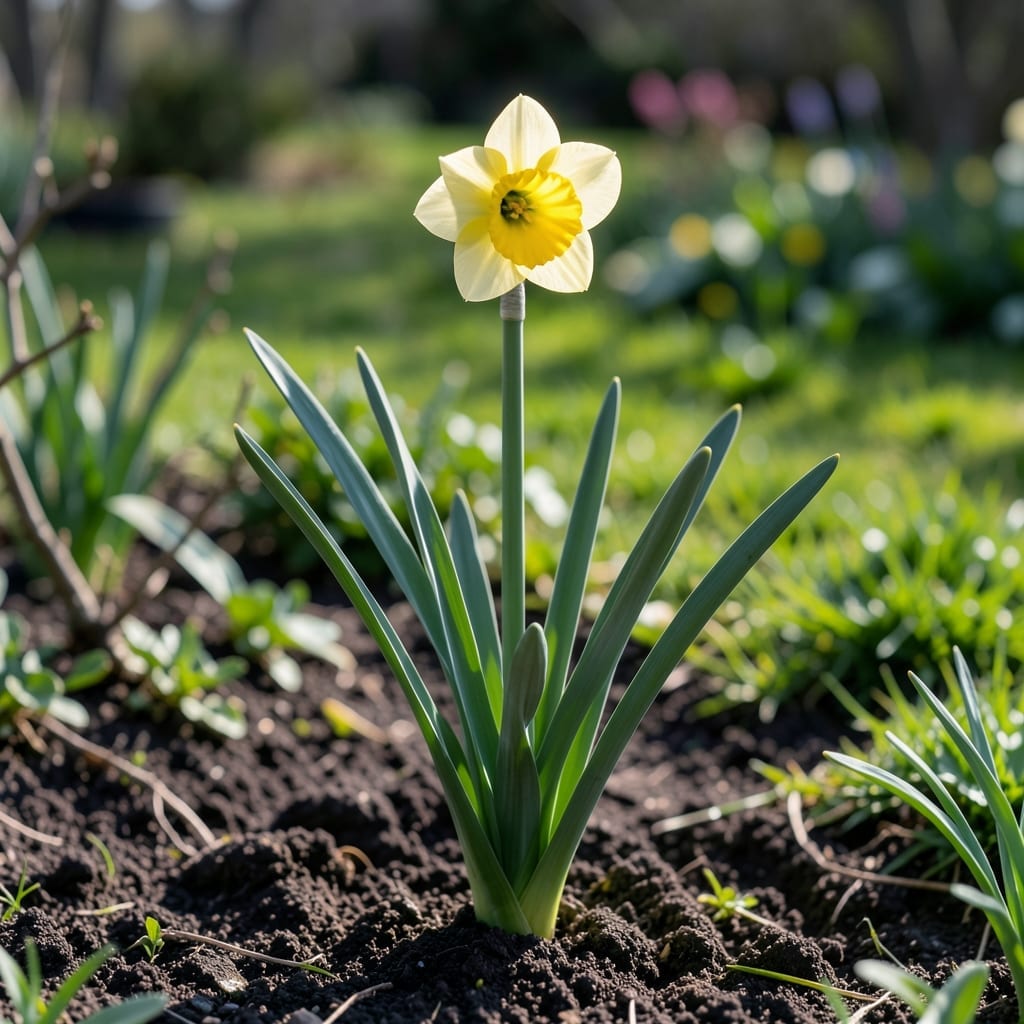
There’s nothing like watching those bright yellow trumpets push through the soil in early spring. I’ve been planting narcissus for years, and they’re the most reliable sign that warmer days are coming.
These flowers thrive with minimal effort—just well-draining soil and a spot with full sun to partial shade. Plant the bulbs in fall, about 6 inches deep, and they’ll reward you with blooms year after year with almost no maintenance.
What you get is a burst of color that deer and rodents usually leave alone. The fragrance is light but noticeable, and they naturalize beautifully, spreading slowly to create a larger display each season.
Perfect for borders, rock gardens, or even containers on a patio. Here’s how to keep them blooming their best.
The yellowing of Narcissus (daffodil) foliage is a common issue, often signaling underlying problems. Below are the primary causes, explained scientifically for actionable solutions.
A lack of essential nutrients, particularly nitrogen or magnesium, can cause chlorosis (yellowing). Nitrogen supports leaf growth, while magnesium is central to chlorophyll production. Test soil with a kit—amend with a balanced fertilizer (10-10-10) or Epsom salts (for magnesium) if levels are low.
Daffodils thrive in well-draining soil. Excess water suffocates roots, reducing oxygen uptake and nutrient absorption. This stress triggers yellowing. Ensure pots have drainage holes, and plant in loamy soil with organic matter. Water only when the top 1–2 inches of soil are dry.
Narcissus requires full sun to partial shade. Insufficient light disrupts photosynthesis, leading to chlorophyll breakdown and yellow leaves. Relocate plants to a sunnier spot (6+ hours of direct light daily) or prune overhanging branches.
Sap-sucking pests like aphids or narcissus fly larvae drain nutrients, causing yellowing. Inspect leaves for sticky residue (honeydew) or wilting. Treat with neem oil or insecticidal soap, and remove heavily infested foliage.
Pathogens like Fusarium or Botrytis infect bulbs in damp conditions, leading to yellowing and rot. Prevent by rotating planting sites, avoiding overhead watering, and applying fungicide (e.g., copper-based) at the first sign of spots or mold.
If your narcissus is looking lackluster, don’t worry—most issues are fixable with a little care. Below are targeted solutions for common problems, along with prevention tips to keep your yellow blooms thriving.
Overwatering or poor drainage often causes yellow leaves. Fix it: Let the soil dry slightly between waterings, and ensure pots have drainage holes. If the bulb is soggy, dig it up, trim any rot, and replant in fresh, well-draining soil.
Prevent it: Use a moisture meter or the finger test—stick your finger an inch into the soil; if it’s dry, it’s time to water.
Narcissus flies, aphids, or nematodes can weaken plants. Fix it: For flies, remove affected bulbs and destroy them. For aphids, spray with a mild soap-and-water solution or introduce ladybugs. Nematodes? Solarize the soil by covering it with clear plastic for 4–6 weeks in summer.
Prevent it: Rotate planting spots yearly and keep the area free of plant debris where pests hide.
Poor flowering often means the bulb lacks energy. Fix it: After blooming, feed with a low-nitrogen, high-phosphorus fertilizer (like 5-10-10) to encourage next year’s flowers. If bulbs are crowded, dig them up after foliage dies back, divide, and replant the healthiest ones.
Prevent it: Fertilize in early spring and again after blooming. Plant bulbs in a sunny spot with at least 6 hours of light daily.
Heavy blooms or wind can cause stems to droop. Fix it: Use bamboo stakes or soft ties to gently prop up stems. For future plants, grow them in a sheltered spot or cluster them to support each other.
Prevent it: Plant bulbs 4–6 inches deep to anchor them better. Avoid over-fertilizing with nitrogen, which can lead to weak growth.
💡 Pro tip: Deadhead spent blooms to redirect energy to the bulb, but leave foliage intact until it yellows naturally!
Plant in early fall, about 6-8 weeks before the first hard frost. This gives roots time to establish before winter.
Dig holes 3-4 times the bulb’s height, typically 6 inches deep. Space bulbs 4-6 inches apart for naturalizing.
Common causes include insufficient sunlight, overcrowded bulbs, or nutrient deficiencies. Ensure they get 6+ hours of sun daily.
Yes! Use pots with drainage and well-draining soil. Plant bulbs at the same depth as in-ground, and move containers to a cool, dark place for 8-10 weeks to simulate winter.