
Beautiful Plants For Your Interior
Beautiful Plants For Your Interior
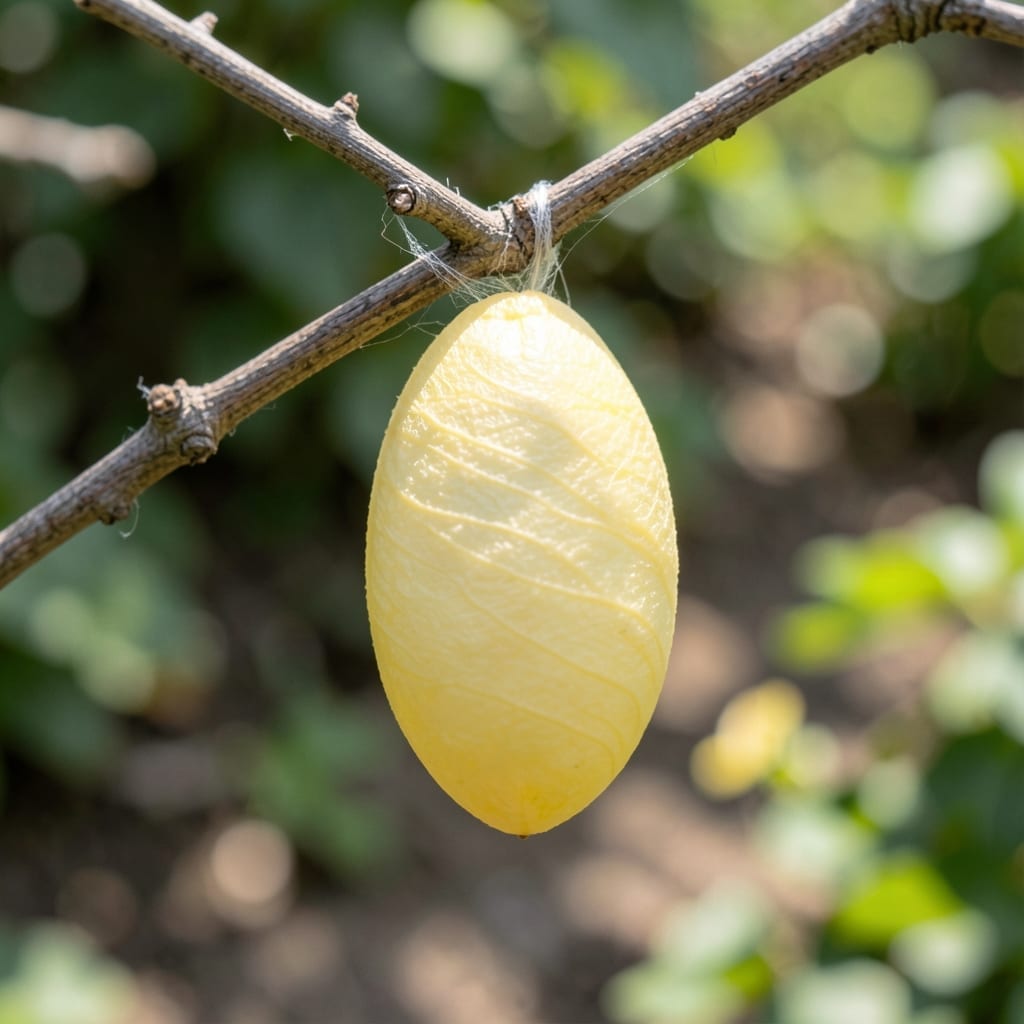
Yellow moth cocoons catch gardeners off guard every spring. I spotted my first batch clinging to the underside of a leaf last April, looking like tiny golden eggs but with a fuzzy texture that screamed trouble.
These pests target trees, shrubs, and even vegetable plants, spinning their silken homes where you least expect them. Left unchecked, the emerging moths lay eggs that hatch into leaf-munching caterpillars, turning your garden into an all-you-can-eat buffet.
Safe removal starts with daily inspections and a pair of sharp scissors. Snip off infested leaves or branches and drop them into soapy water to drown the cocoons before they mature.
Prevention is simpler than you think: encourage birds with feeders, keep your garden tidy, and introduce beneficial insects like parasitic wasps. They’ll handle the problem before it starts.
The yellowing of a moth cocoon is a fascinating yet concerning phenomenon, often tied to natural and environmental factors. Below are the primary causes, explained with scientific clarity to help you understand and address the issue.
Some moth species, like the Samia cynthia (Ailanthus silkmoth), naturally produce yellow or golden cocoons due to carotenoid pigments in their diet. These pigments, derived from host plants like ailanthus or sumac, are metabolized and deposited into the silk during cocoon formation. This is a normal biological process and not a sign of disease.
A cocoon turning yellow can signal an infection. Fungi like Beauveria bassiana or bacteria such as Bacillus thuringiensis may colonize the cocoon, breaking down its proteins and altering its color. Infected cocoons often appear discolored, soft, or emit a foul odor. High humidity and poor ventilation accelerate these infections.
Extreme temperatures, excessive moisture, or prolonged exposure to sunlight can stress the pupating moth, leading to pigment changes. For example, oxidative stress from UV radiation can degrade the cocoon’s proteins, resulting in a yellowish hue. Ensure cocoons are stored in a cool, dry, and shaded environment to prevent this.
Contact with pesticides, cleaning agents, or even certain natural compounds (e.g., tannins from nearby plants) can react with the cocoon’s silk proteins, causing discoloration. Always handle cocoons with clean, bare hands or nitrile gloves to avoid contamination.
Dealing with a yellow moth cocoon infestation requires a calm and methodical approach. Here’s how to tackle common issues and prevent future problems:
Fix: Freeze or heat-treat affected items. Place infested clothing in a sealed bag and freeze for 72 hours to kill larvae and eggs. Alternatively, wash fabrics in hot water (120°F+) and dry on high heat. Vacuum storage areas thoroughly afterward.
Prevention Tip: 💡 Store seasonal clothing in airtight containers with cedar blocks or lavender sachets—natural repellents for moths.
Fix: Discard contaminated food immediately in a sealed outdoor trash bin. Wipe shelves with vinegar or soap solution to remove eggs. Use pheromone traps to monitor and catch adult moths.
Prevention Tip: 🎯 Keep dry goods in glass or metal containers with tight lids. Inspect groceries for signs of pests before storing.
Fix: Seal cracks and gaps with caulk to block entry points. For severe infestations, consult a pest control professional to treat hidden areas safely.
Prevention Tip: ✨ Regularly inspect dark, undisturbed spaces (like basements or attics) for webbing or cocoons. Keep these areas clean and well-ventilated.
Act quickly at the first sign of yellow moth cocoons to avoid widespread damage. Consistency in cleaning and storage habits is your best defense!
Not always. Some butterfly species also create yellow cocoons, but moth cocoons are typically silkier and more elongated. Check for nearby leaf damage to confirm the culprit.
Gently touch it—if it feels firm, it’s likely active. A shriveled or soft cocoon usually means the moth has emerged or died. Look for tiny exit holes as another sign.
Yes, but move them to a similar environment with host plants. Use a soft brush to transfer them to a safe branch or container with ventilation. Avoid direct sunlight.
This often indicates infection or decay. Remove it immediately with gloves and dispose of it in a sealed bag to prevent spreading contamination. Clean the area with soapy water.