
Beautiful Plants For Your Interior
Beautiful Plants For Your Interior
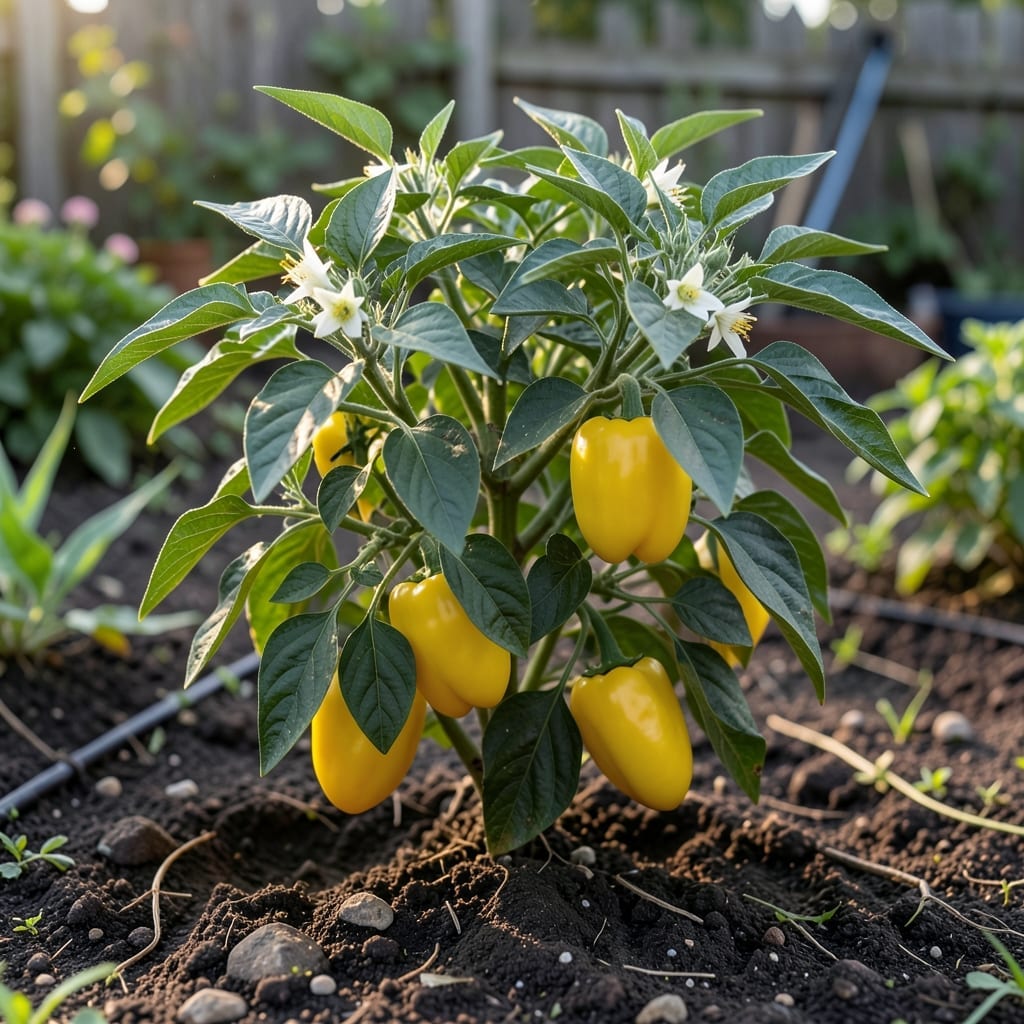
This pepper changed how I think about homegrown heat. 🌱 The Yellow Monster delivers lemon-yellow fruits that pack serious flavor without overwhelming spice, making it perfect for fresh eating or drying.
What makes it special is its vigorous growth and unusual color. It thrives in full sun and well-draining soil, producing peppers that start pale and deepen to a sunny hue as they mature.
You’ll get a steady harvest from mid-summer until frost if you keep the plants fed and watered. The peppers are thick-walled and meaty, ideal for stuffing or grilling.
It’s rare but worth tracking down seeds for. Once you try it, you’ll want it in your garden every year.
The yellow monster pepper may develop discoloration or other issues due to several environmental and biological factors. Understanding these causes helps growers take preventive action.
Extreme heat or cold disrupts chlorophyll production, leading to yellowing. Peppers thrive in 70–85°F (21–29°C); temperatures outside this range can trigger stress responses, including leaf discoloration.
Overwatering or underwatering affects nutrient uptake. Too much water suffocates roots, while too little prevents essential minerals from reaching the plant. Maintain consistent moisture without waterlogging.
Lack of nitrogen, magnesium, or iron often causes yellowing. Nitrogen supports leaf greenness, while magnesium and iron are vital for chlorophyll. A balanced fertilizer (e.g., 10-10-10) can correct deficiencies.
Infestations (e.g., aphids, spider mites) or fungal infections (e.g., powdery mildew) weaken plants, leading to discoloration. Regularly inspect leaves and use organic pesticides or fungicides as needed.
If your yellow monster peppers are struggling, these targeted fixes will help get them back on track. Address each issue early to ensure a healthy, productive harvest.
Yellow leaves often signal a nitrogen deficiency. Apply a balanced fertilizer (10-10-10) or a nitrogen-rich organic option like compost tea. Water deeply afterward to help roots absorb the nutrients. Prevention tip: Test soil before planting and amend with compost to avoid deficiencies.
Overwatering or underwatering can cause wilting. Check soil moisture by sticking your finger 1-2 inches deep—if it’s dry, water thoroughly; if soggy, hold off and improve drainage. Prevention tip: Use mulch to retain moisture and water early in the morning to reduce evaporation.
Aphids or spider mites leaving spots or curled leaves? Spray plants with a mix of water and neem oil (1 tbsp per gallon) or introduce beneficial insects like ladybugs. Prevention tip: Inspect plants weekly and remove pests by hand when spotted early.
Extreme heat or cold can cause flowers to drop before fruiting. Use shade cloth during heatwaves or row covers for unexpected frosts. Prevention tip: Plant in a sheltered location and avoid high-nitrogen fertilizers during flowering.
Pro tip: 💡 Keep a gardening journal to track issues and solutions—this helps you act faster next season!
These peppers typically take 75-90 days from transplanting to reach full maturity. The fruits start pale yellow and deepen in color as they ripen, signaling they’re ready for harvest.
Use well-draining, loamy soil with pH 6.0-6.8. Mix in compost for nutrients and ensure the soil retains moisture without becoming waterlogged.
Yes, but choose containers at least 5 gallons in size. Ensure they have drainage holes and place them in full sun for 6-8 hours daily. Container plants may need more frequent watering.
Small fruits often result from insufficient nutrients or water. Apply a balanced fertilizer every 2-3 weeks and maintain consistent soil moisture to encourage larger peppers.