
Beautiful Plants For Your Interior
Beautiful Plants For Your Interior
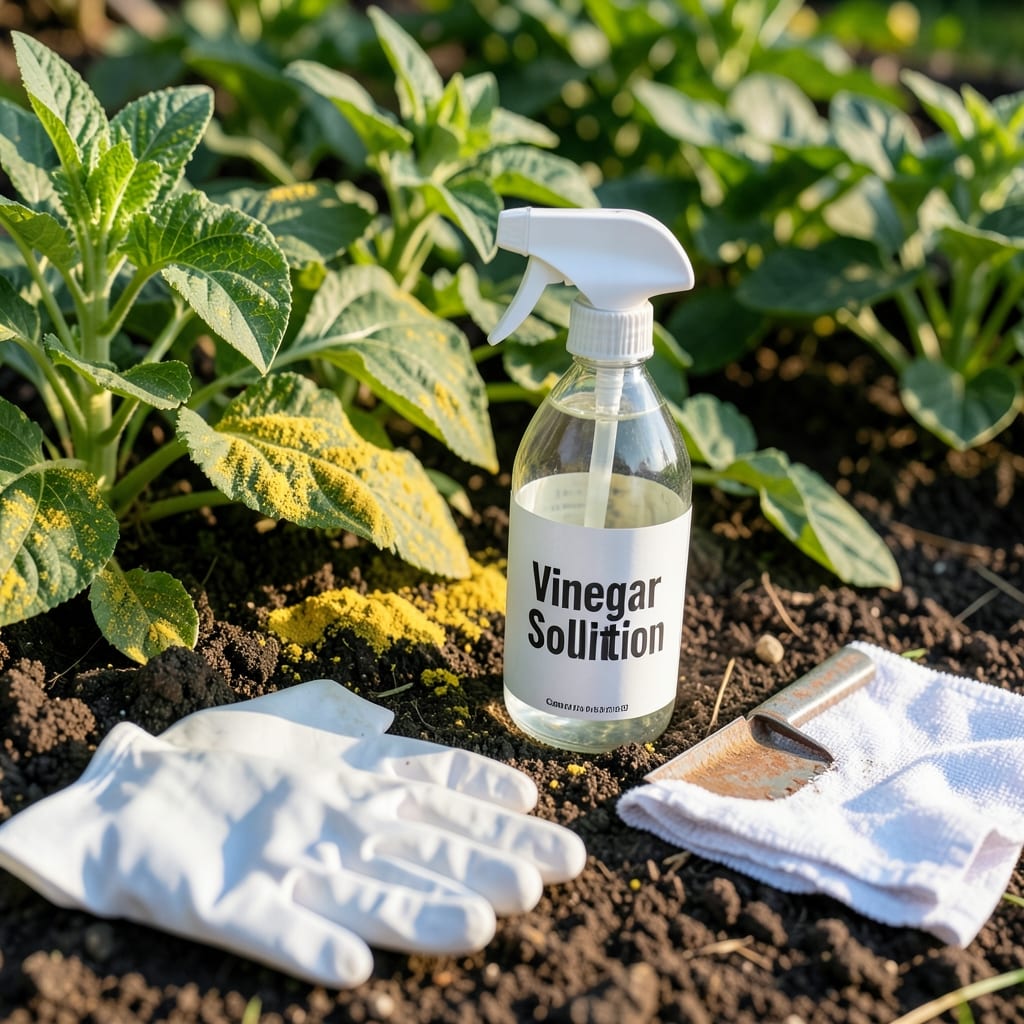
Yellow mold in your garden isn’t just unsightly—it’s a sign something’s off. I first spotted it on my tomato leaves last summer, and ignoring it cost me half my crop.
This fungus thrives in damp, poorly ventilated spaces, often targeting vegetables, herbs, and ornamentals. The good news? It responds well to natural treatments you probably have at home.
With the right approach, you’ll see improvement within a week. The key is acting fast before it spreads to healthy plants.
Prevention is simpler than cure—proper spacing, airflow, and cleanup make all the difference.
Yellow mold, often a type of Aspergillus or Serpula species, thrives under specific environmental conditions. Understanding these triggers can help you prevent its growth and recurrence. Below are the primary causes:
Mold spores require consistent dampness to germinate and spread. Leaky pipes, poor ventilation, or high humidity (above 60%) create the perfect breeding ground. Bathrooms, basements, and kitchens are especially vulnerable due to frequent water exposure.
Stagnant air traps moisture and prevents surfaces from drying. Areas with limited circulation, like behind furniture or in closed cabinets, are hotspots for yellow mold. Proper ventilation disrupts spore settlement and growth.
Yellow mold feeds on cellulose-rich materials, such as wood, paper, and fabric. Dust, dirt, and food residue also provide nutrients. Regular cleaning and sealing porous surfaces can starve mold before it takes hold.
While mold doesn’t need light to grow, dark, undisturbed spaces (e.g., under sinks or in crawl spaces) encourage unchecked proliferation. Sunlight and UV exposure can inhibit some mold types, making well-lit areas less susceptible.
Tackling yellow mold requires quick action and the right approach. Below are targeted solutions for common scenarios, along with prevention tips to keep it from returning.
Mix 1 part white vinegar with 1 part water in a spray bottle. Spray the affected area, let it sit for 10 minutes, then scrub with a stiff brush. For stubborn spots, use hydrogen peroxide (3%)—spray, wait 10 minutes, then wipe clean. Prevention tip: 💡 Improve ventilation in damp areas like bathrooms by using an exhaust fan or dehumidifier.
For non-porous or sealed wood, use a baking soda paste (1 tbsp baking soda + 1 cup water). Apply, scrub gently, then dry thoroughly. For porous wood, sand the moldy area outdoors (wear a mask!) and treat with a mold-killing primer before repainting. Prevention tip: ✨ Keep wood furniture away from moisture; use a dehumidifier in humid climates.
Machine-wash moldy fabrics in hot water (140°F+) with 1 cup of white vinegar or bleach (for colorfast items). For upholstery, blot with a cloth dipped in rubbing alcohol (70%), then air-dry in sunlight. Prevention tip: 🌡️ Store fabrics in dry, well-ventilated spaces and avoid packing them while damp.
Pour 1 cup of baking soda followed by 1 cup of white vinegar down the drain. Let it fizz for 10 minutes, then flush with hot water. For persistent mold, use a pipe brush to scrub inside the drain. Prevention tip: 🎯 Run hot water weekly to prevent buildup and keep drains dry.
Safety first: Always wear gloves, a mask, and goggles when handling mold. If the infestation covers more than 10 square feet or keeps returning, call a professional.
White vinegar is effective against most common household molds, including many yellow varieties. Its acidic nature disrupts mold structure. For tough cases, try hydrogen peroxide as a stronger alternative.
If the moisture source isn’t fixed, mold can return within 24-48 hours. Address leaks, improve airflow, and maintain humidity below 60% to prevent regrowth.
Bleach works on non-porous surfaces like tile but can damage wood, fabrics, and some metals. For porous materials, use vinegar or baking soda instead. Never mix bleach with other cleaners.
If mold covers more than 10 square feet, keeps returning, or you suspect it’s in your HVAC system, hire an expert. Some molds require specialized removal.