
Beautiful Plants For Your Interior
Beautiful Plants For Your Interior
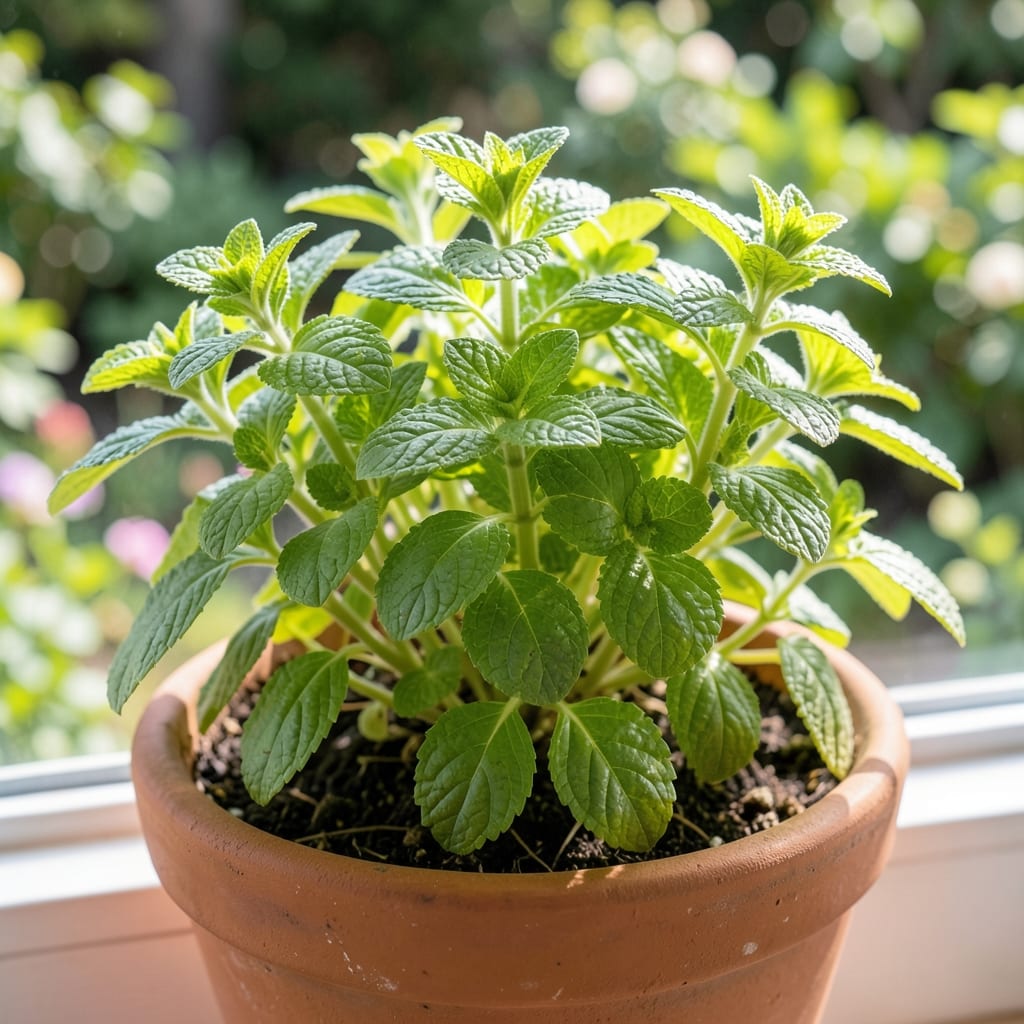
Yellow mint leaves are your plant’s way of sending an SOS. I’ve seen this happen too many times in my own garden—usually from overwatering or poor drainage, but pests and disease can also be to blame.
The fix often starts with your watering routine. Check the soil 2 inches down; if it’s soggy, you’re drowning the roots. Mint also hates crowded conditions, so thinning out stems can improve airflow and prevent fungal issues.
Natural remedies work surprisingly well here. A spray of diluted neem oil handles pests, while a fresh layer of compost can correct nutrient deficiencies. The recovery is usually quick once you address the root cause.
Don’t ignore the yellow—early action saves the whole plant. Most cases clear up within a week or two with the right adjustments.
Mint leaves turn yellow due to a variety of stress factors, often linked to environmental conditions or care practices. Here’s a breakdown of the most common causes:
Yellowing often signals a lack of nitrogen (uniform pale yellow) or magnesium (yellow patches between veins). Nitrogen deficiency stunts growth, while magnesium shortages create interveinal chlorosis. Test soil with a kit and amend with balanced organic fertilizer or Epsom salts for magnesium.
Soggy roots suffocate, blocking nutrient uptake. Mint thrives in moist but well-draining soil—water only when the top inch feels dry. Ensure pots have drainage holes, and use a gritty soil mix to prevent root rot, which also causes yellowing.
While mint loves light, intense direct sun (especially in hot climates) can scorch leaves, turning them yellow or brown. Provide partial shade during peak afternoon hours, or move potted mint to a brighter but indirect light location.
Sap-sucking pests like spider mites or aphids drain vital nutrients, leading to yellow speckling or curling. Inspect leaf undersides and stems. Treat with neem oil spray or insecticidal soap weekly until pests are gone.
Mint prefers 60–70°F (15–21°C). Sudden cold snaps or heatwaves disrupt chlorophyll production. Protect plants with mulch or row covers in cold weather, and provide afternoon shade in extreme heat.
If your mint leaves are turning yellow, the fix depends on the root cause. Below are targeted solutions to restore your plant’s vibrant green hue.
Fix: Let the soil dry out slightly between waterings. Ensure your pot has drainage holes, and use a well-draining potting mix. If the roots are waterlogged, repot the plant in fresh soil.
Prevention Tip: 💡 Water only when the top inch of soil feels dry to the touch. Use a pot with drainage holes to avoid soggy roots.
Fix: Move your mint to a spot where it gets at least 4–6 hours of indirect sunlight daily. If growing indoors, place it near a south- or west-facing window.
Prevention Tip: 💡 Rotate the pot weekly to ensure even light distribution and prevent one-sided yellowing.
Fix: Feed your mint with a balanced, water-soluble fertilizer (10-10-10) every 4–6 weeks during the growing season. Yellow leaves often signal a lack of nitrogen or iron.
Prevention Tip: 💡 Mix compost into the soil at planting time for a slow-release nutrient boost.
Fix: Inspect the leaves for pests like spider mites or aphids. Spray with a neem oil solution (1 tsp neem oil + 1 tsp dish soap + 1 quart of water) every 5–7 days until pests are gone.
Prevention Tip: 💡 Keep the area around your mint clean and free of debris to deter pests.
Fix: Mint thrives in temperatures between 55–75°F (13–24°C). If exposed to extreme heat or cold, move it to a more stable environment, like a shaded patio or indoors near a window.
Prevention Tip: 💡 Use mulch around outdoor plants to regulate soil temperature and retain moisture.
Water when the top 1 inch of soil feels dry. Overwatering is a common cause of yellowing, so always check soil moisture first.
Severely yellowed leaves won’t recover, but new growth will be green once the underlying issue is fixed. Remove damaged leaves to redirect energy to healthy ones.
Use a balanced 10-10-10 fertilizer or compost tea for quick nutrient uptake. Avoid over-fertilizing, which can also stress the plant.
Spray with neem oil weekly as a preventative. Keep the area clean and inspect leaves regularly for early signs of infestation.