
Beautiful Plants For Your Interior
Beautiful Plants For Your Interior
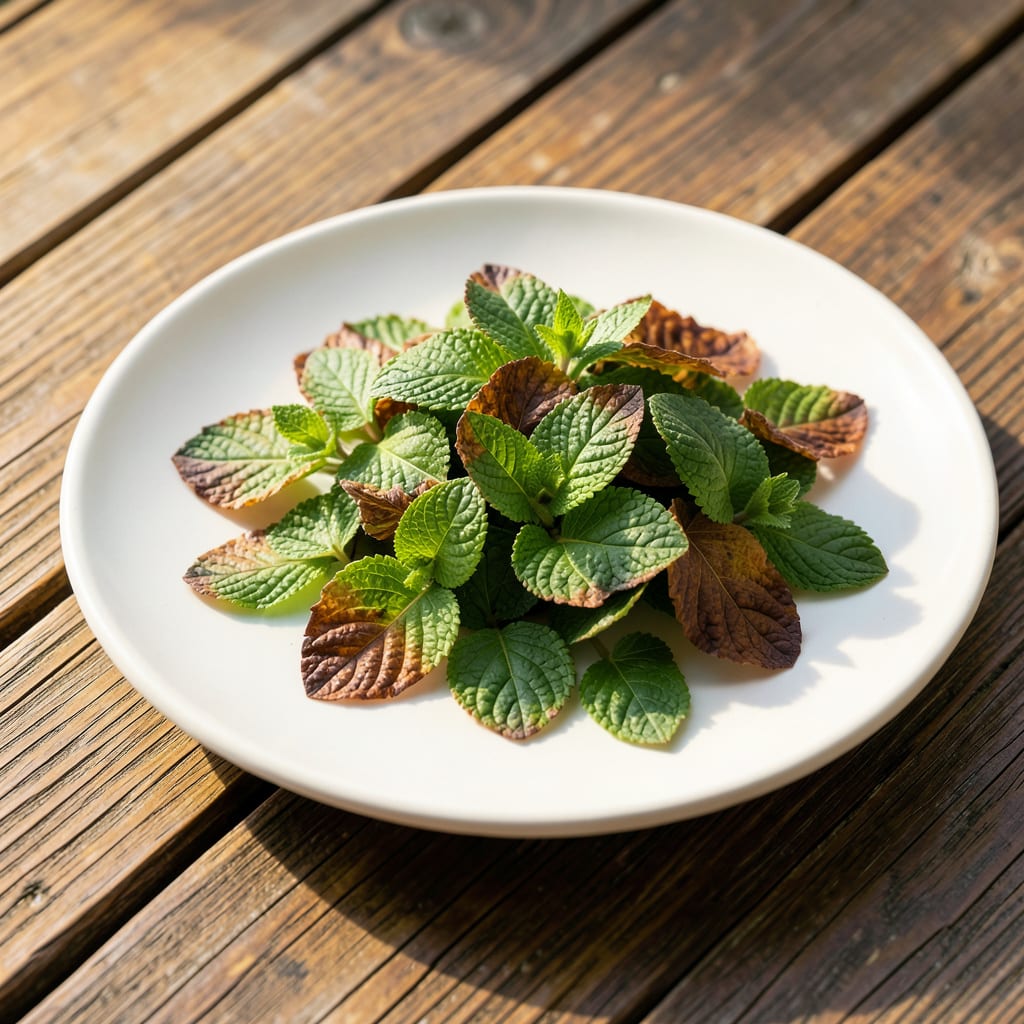
Brown mint leaves hit me like a gut punch last summer. Three days of yellow edges, then crispy brown—my lush patch looked like it had given up completely.
Here’s the thing—it’s rarely one issue. Usually it’s overwatering, underwatering, or pests throwing a party on the undersides. I’ve faced all three and learned each has a distinct pattern in how it attacks the leaves.
Once you identify the culprit, the fix is often simple. Adjust your watering, move the plant, or introduce beneficial insects. The recovery can be surprisingly fast with mint.
Works for container plants, garden beds, or that wild patch taking over your yard. Let’s diagnose and fix it.
Mint leaves turning brown can be a sign of several underlying issues, often tied to environmental stress or care mistakes. Here’s a breakdown of the most common causes:
Mint thrives in moist but well-draining soil. When roots sit in soggy conditions, they suffocate and rot, cutting off nutrient flow. This leads to brown, wilted leaves starting at the edges. Check your pot’s drainage holes and let the top inch of soil dry between waterings.
While mint loves sunlight, intense midday heat (especially above 90°F/32°C) can scorch leaves, causing crispy brown patches. If grown outdoors in hot climates, provide partial shade during peak hours. Indoor plants near sunny windows may also suffer—relocate them if leaves show burn signs.
Mint is a humidity-loving herb. In dry indoor environments (common with HVAC systems), leaves lose moisture faster than they can absorb it, leading to brown tips and edges. Grouping plants together or using a humidity tray can help maintain moisture levels around 40-60%.
Sap-sucking pests like spider mites and aphids drain nutrients from leaves, causing yellowing that progresses to brown. Inspect the undersides of leaves for tiny webbing or sticky residue. Treat infestations with neem oil or insecticidal soap to restore plant health.
A lack of magnesium or potassium can manifest as brown spots or leaf margins. Mint in poor or depleted soil often shows these symptoms. Use a balanced, water-soluble fertilizer every 4-6 weeks during the growing season to prevent deficiencies.
If your mint leaves are turning brown, don’t panic—most causes are fixable with simple adjustments. Below are targeted solutions for each common issue, along with prevention tips to keep your plant thriving.
Fix: Check the soil moisture by sticking your finger 1 inch deep. If it’s bone-dry, water thoroughly until it drains from the bottom. If it’s soggy, stop watering and let the top 1-2 inches dry out. For severe overwatering, repot in fresh, well-draining soil.
Prevent: Water when the top inch of soil feels dry. Use pots with drainage holes and a saucer to catch excess. 💡 Pro tip: Mint prefers consistently moist (not soggy) soil—mulch can help retain moisture.
Fix: Move potted mint to a spot with partial shade (4-6 hours of morning sun). If growing in-ground, use shade cloth during peak afternoon hours. For leggy, weak growth, gradually introduce more light.
Prevent: Place mint in bright, indirect light or dappled shade. Rotate pots weekly for even exposure.
Fix: If leaves are crispy from heat, mist the plant in the early morning or move it to a cooler area. For cold damage, trim brown leaves and protect with row covers or move indoors.
Prevent: Keep mint in temperatures between 55–75°F. Use a humidity tray or group plants together to boost moisture in dry climates. ✨
Fix: For spider mites or aphids, spray leaves with a mix of water and mild soap, then rinse. For fungal issues (like mint rust), remove infected leaves and apply neem oil or a copper-based fungicide.
Prevent: Inspect leaves regularly, especially undersides. Avoid overhead watering to reduce fungal risks. 🎯 Pro tip: Companion plant with marigolds to deter pests naturally.
Fix: Amend soil with compost or a balanced, water-soluble fertilizer (10-10-10). If growing in containers, repot every 1-2 years with fresh potting mix.
Prevent: Feed mint lightly every 4-6 weeks during the growing season. Avoid over-fertilizing, which can cause leaf burn.
Once leaves have turned brown, they won’t recover. Trim them off to redirect the plant’s energy to healthy growth. Focus on fixing the underlying issue to prevent new leaves from browning.
Brown tips often signal low humidity or underwatering. Indoor mint especially struggles in dry air. Try misting daily or placing a tray of water near the plant to boost moisture.
Yes, as long as the rest of the plant is healthy. Discard the brown leaves and use the green ones. Avoid using heavily damaged leaves, as they may taste bitter or harbor pests.
Water when the top 1 inch of soil feels dry. In hot weather, this might mean watering every 1-2 days. Ensure pots have drainage holes to avoid overwatering.
