
Beautiful Plants For Your Interior
Beautiful Plants For Your Interior
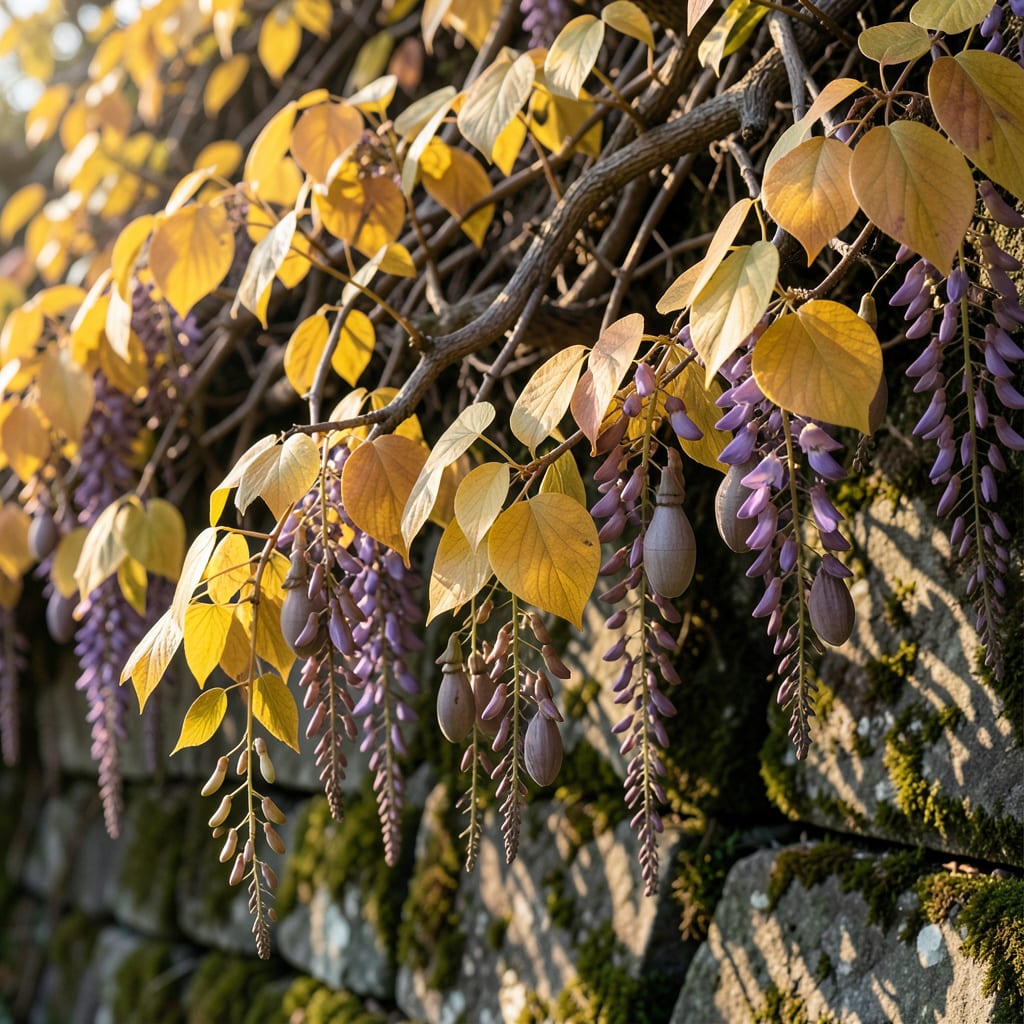
That sickly yellow on your wisteria leaves isn’t normal. I’ve seen this exact problem wipe out entire vines when ignored, but the good news is it’s usually fixable with the right approach.
Most cases trace back to 3 common culprits: nitrogen deficiency, iron shortage, or waterlogged roots. Each leaves a distinct pattern on the leaves—once you learn to spot them, diagnosis takes 30 seconds.
With targeted amendments and adjusted care, you can reverse the damage. I’ve brought wisteria back from near-death with simple soil tests and precise feeding schedules.
Prevention starts with proper planting depth and consistent moisture checks. The same methods work for new and established vines alike.
Wisteria leaves turn yellow for several specific, often fixable reasons. Below are the most common causes with clear, actionable explanations.
Yellowing leaves often signal a lack of essential nutrients. Nitrogen deficiency causes uniform yellowing (chlorosis) across older leaves, as nitrogen is mobile and the plant redirects it to new growth. Iron deficiency leads to yellowing between veins in younger leaves, while veins stay green—a classic sign of interveinal chlorosis. Test soil pH; wisteria prefers slightly acidic to neutral (6.0–7.0). If pH is too high, iron becomes unavailable. Apply chelated iron or sulfur to lower pH.
Overwatering suffocates roots, reducing oxygen uptake and causing yellow, wilted leaves. Check soil moisture 2 inches deep—if soggy, improve drainage. Underwatering triggers yellowing and crispy edges as the plant conserves water. Wisteria needs consistent moisture, especially in summer. Mulch to retain water but avoid waterlogging.
Too much direct sun can scorch leaves, turning them yellow or brown. Conversely, insufficient light weakens chlorophyll production, leading to pale or yellow foliage. Wisteria thrives in full sun (6+ hours daily) but may need afternoon shade in extreme heat. Relocate potted plants or adjust shade cloths as needed.
Spider mites and aphids sap nutrients from leaves, causing stippling or yellowing. Inspect leaf undersides for webs or tiny insects. Treat with neem oil or insecticidal soap. Fungal infections like powdery mildew may also yellow leaves; improve airflow and avoid overhead watering to prevent this.
When your wisteria’s leaves turn yellow, the fix depends on the root cause. Below are targeted solutions for each common issue, along with prevention tips to keep your plant thriving.
Yellow leaves often signal a lack of essential nutrients like nitrogen, iron, or magnesium.
Too much water or compacted soil can suffocate roots, leading to yellowing.
Wisteria needs full sun (6+ hours daily) to photosynthesize properly.
Spider mites, aphids, or fungal infections (like root rot) can stress the plant.
💡 Pro Tip: Yellow leaves won’t turn green again, so focus on fixing the issue to support new, healthy growth. Remove severely damaged leaves to redirect energy.
Check the leaf pattern. Uniform yellowing on older leaves points to nitrogen deficiency. Yellowing between veins on new leaves suggests iron deficiency. Soggy soil and wilted yellow leaves usually mean overwatering.
No, once leaves turn yellow they won’t recover. Focus on correcting the problem to support new healthy growth. Remove severely damaged leaves to redirect the plant’s energy.
Water deeply when the top 2-3 inches of soil are dry. Wisteria prefers consistent moisture but hates soggy roots. In hot weather, this might mean watering 2-3 times per week.
Yes, intense afternoon sun can scorch leaves, especially in extreme heat. While wisteria loves sun, consider adding shade cloth during peak hours if you notice browning or yellowing on exposed leaves.
