
Beautiful Plants For Your Interior
Beautiful Plants For Your Interior
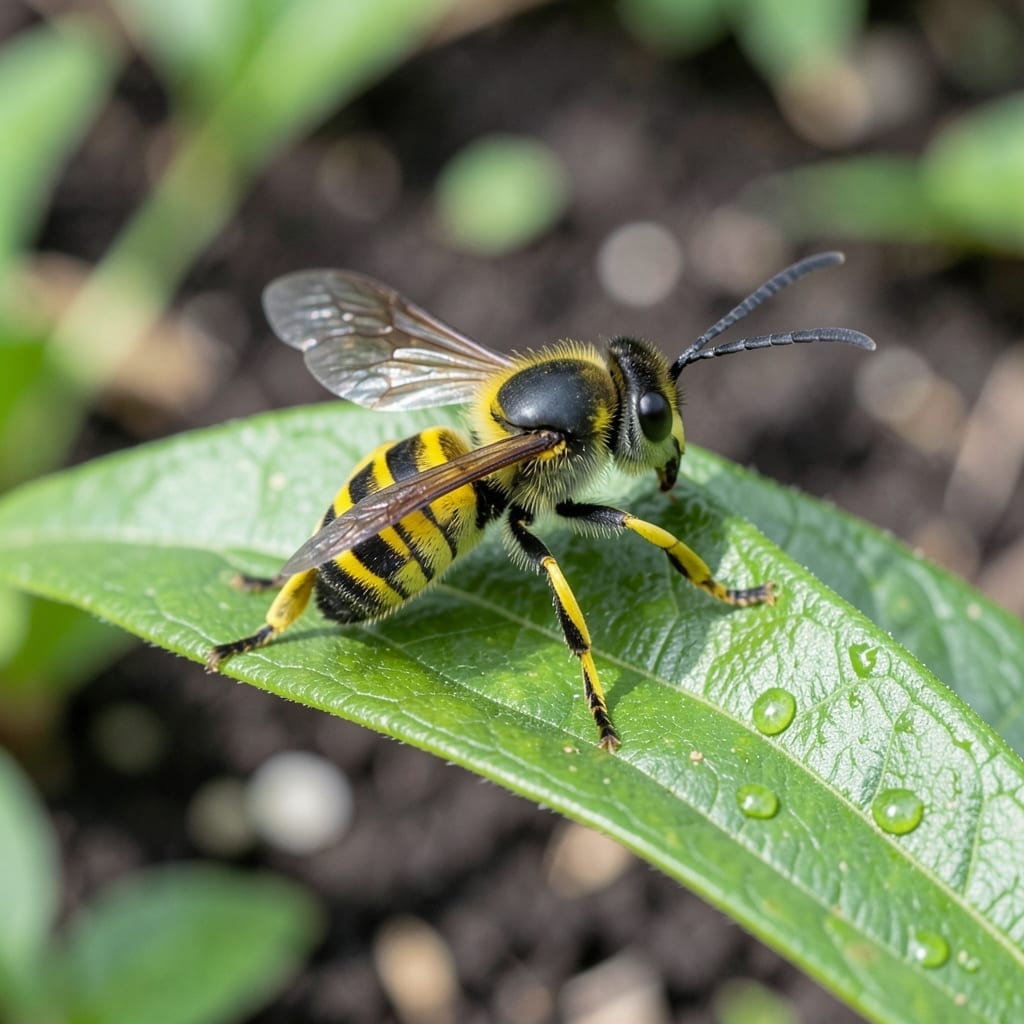
That buzzing sound near your garden isn’t just annoying—it could be yellow jackets setting up camp. I’ve dealt with more nests than I’d like to admit, and the key is acting fast before they multiply.
These aggressive wasps look like bees but move with purpose, building nests underground or in hidden spaces. The good news? You can spot their activity early—watch for workers flying in straight lines near the ground.
Safe removal starts with understanding their behavior. They’re protective, especially in late summer when colonies peak. Natural solutions work best when you act before populations explode.
Protect your plants and pollinators while keeping your garden safe. Here’s how to identify, deter, and remove them without harming the ecosystem.
Yellow jackets are drawn to specific environmental cues and resources, which explain their sudden appearances. Understanding these triggers can help you prevent infestations before they start.
These insects are aggressive scavengers, particularly for proteins and sugars. Open trash cans, uncovered pet food, or even a dropped piece of meat at a picnic can signal a feeding opportunity. Their strong sense of smell detects food from hundreds of feet away, making outdoor gatherings prime targets.
Yellow jackets seek protected, dry cavities to build their paper-like nests. Common locations include wall voids, attics, tree stumps, or dense shrubbery. Unlike bees, they prefer existing structures rather than building exposed hives, which is why they often invade human spaces unnoticed.
Like all living organisms, yellow jackets need water to survive. Standing water in birdbaths, clogged gutters, or even leaky outdoor faucets can attract them. They’re also known to collect water to cool their nests during hot weather, making moisture-rich areas a recurring hotspot.
These pests are most active in late summer and early fall, when colonies reach their peak population. Warmer temperatures accelerate their metabolism, increasing their need for food and making them more aggressive. This seasonal surge often leads to heightened human encounters.
Dealing with yellow jacket infestations requires quick action and smart strategies. Below are practical solutions tailored to common scenarios, along with prevention tips to keep them from returning.
If you spot a nest close to your house, do not attempt to remove it during the day when yellow jackets are most active. Instead, wait until dusk or dawn when they’re less aggressive. Use a commercial wasp spray labeled for ground-nesting insects,
Yellow jackets are drawn to proteins and sugars, especially during late summer. Keep outdoor dining areas clean by covering food, promptly disposing of trash, and wiping up spills. Use sealed containers for compost and pet food. At picnics, opt for bee-proof drink cups with lids to prevent them from crawling inside.
Set up yellow jacket traps in early summer to catch queens and workers before the colony grows. Place traps away from high-traffic areas to avoid luring more wasps near you. Use a mix of sugar water and vinegar as bait, or buy pre-made traps. Replace bait weekly for best results.
By combining removal, deterrence, and prevention, you can effectively manage and reduce yellow jacket activity around your home.
Look for their bright yellow and black bands and slender waist. Unlike bees, they have a smooth body with no fuzz and fly with their legs dangling. Their flight pattern is also more direct and aggressive.
Do not disturb it! Mark the area from a safe distance and treat it at night when they’re less active. Use a wasp-specific insecticide or call a professional for large nests.
Colonies peak in size by then, with thousands of workers protecting the nest. Food becomes scarcer, making them more defensive and likely to sting when threatened.
Yes, but timing is key. Use traps in early summer to catch queens before colonies grow. Place them 20-30 feet from your activity areas to avoid drawing them closer.