
Beautiful Plants For Your Interior
Beautiful Plants For Your Interior
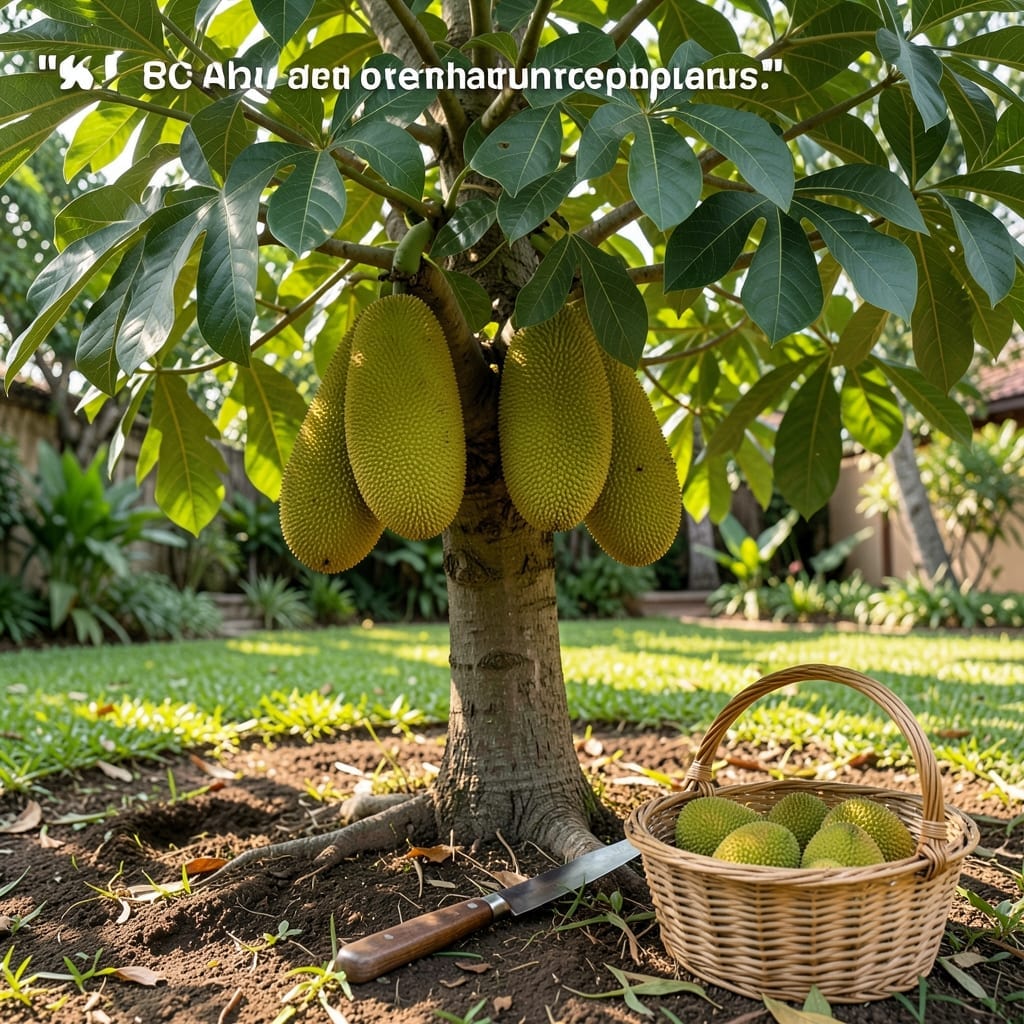
First taste of homegrown jackfruit changes everything. I planted my yellow jack tree three years ago in a sunny corner of the yard, and now it’s the centerpiece of my tropical garden.
This isn’t your average fruit tree—it thrives in warm climates with minimal fuss once established. The secret is giving it well-draining soil and protection from cold snaps during its first winter.
You’ll start seeing fruit in 2-4 years, with each season producing more than the last. The trees grow fast, so plant where it has room to stretch its branches.
Perfect for gardeners in zones 10-12 who want exotic flavor without exotic effort. Here’s how to get it right from the start.
The yellowing of jackfruit, often called “yellow jack,” typically stems from environmental, nutritional, or pest-related stressors. Below are the primary causes behind this common problem in home gardens.
Jackfruit trees require a balanced diet of nitrogen, magnesium, and iron. A lack of these nutrients often manifests as yellowing leaves. Nitrogen deficiency causes uniform yellowing, starting with older leaves, while magnesium deficiency leads to interveinal chlorosis (yellowing between veins), particularly in mature foliage. Iron deficiency triggers yellowing in young leaves first, as iron is less mobile within the plant.
Actionable fix: Conduct a soil test and amend with organic compost, Epsom salt (for magnesium), or chelated iron supplements as needed.
Jackfruit trees thrive in well-draining soil. Waterlogged roots suffocate the plant, impeding nutrient uptake and leading to chlorosis. Similarly, drought stress can cause yellowing by disrupting photosynthesis.
Actionable fix: Ensure the planting site has good drainage. Water deeply but infrequently—allow the top 2-3 inches of soil to dry between waterings.
Sap-sucking pests like scale insects, aphids, or mealybugs drain the tree’s resources, causing yellowing and stunted growth. These pests often target new growth, leading to curled or distorted yellow leaves.
Actionable fix: Inspect the undersides of leaves and stems. Treat infestations with neem oil or insecticidal soap, and introduce beneficial predators like ladybugs.
Pathogens such as Fusarium wilt or Phytophthora root rot can induce yellowing as they compromise the tree’s vascular system. Symptoms often include wilting, leaf drop, and dark streaks in the stems.
Actionable fix: Remove and destroy infected plant parts. Improve airflow around the tree, avoid overhead watering, and apply copper-based fungicides preventatively.
When your yellow jack fruit faces problems, quick and targeted solutions can save the day. Here’s how to tackle the most common issues and keep your tree thriving.
If leaves turn yellow, it’s often a sign of nitrogen deficiency. Fix it: Apply a balanced fertilizer (10-10-10) or a nitrogen-rich organic option like compost or manure. Water deeply after feeding to help the roots absorb nutrients.
Prevention tip: 💡 Test your soil annually and amend it as needed to maintain optimal nutrient levels.
Pests like aphids or mealybugs can damage foliage and fruit. Fix it: Spray the tree with neem oil or insecticidal soap, focusing on the undersides of leaves. Repeat every 5–7 days until pests are gone.
Prevention tip: ✨ Encourage beneficial insects like ladybugs by planting companion flowers nearby.
Overwatering or poor drainage can lead to root rot. Fix it: Stop watering immediately and let the soil dry out. If the problem persists, repot the plant in well-draining soil or amend the garden bed with sand or perlite.
Prevention tip: 🌡️ Water only when the top 1–2 inches of soil are dry, and ensure pots have drainage holes.
Lack of fruit may mean poor pollination. Fix it: Hand-pollinate flowers using a small brush to transfer pollen between blooms. Planting pollinator-friendly flowers nearby can also help.
Prevention tip: 🎯 Ensure your garden has a mix of flowering plants to attract bees and other pollinators.
With these fixes, your yellow jack fruit tree will be back on track in no time!
Expect first fruit in 2-4 years with proper care. Trees in ideal climates with consistent watering often produce sooner. Patience pays off—mature trees yield more each season.
Yes, but use a large pot with drainage. Dwarf varieties do best. Keep in full sun and water when top 2-3 inches of soil are dry. Winter indoors if temperatures drop below 40°F.
Thrives in zones 10-12 with warm, humid conditions. Protect from frost and cold winds. In cooler areas, grow in pots and move inside during winter.