
Beautiful Plants For Your Interior
Beautiful Plants For Your Interior
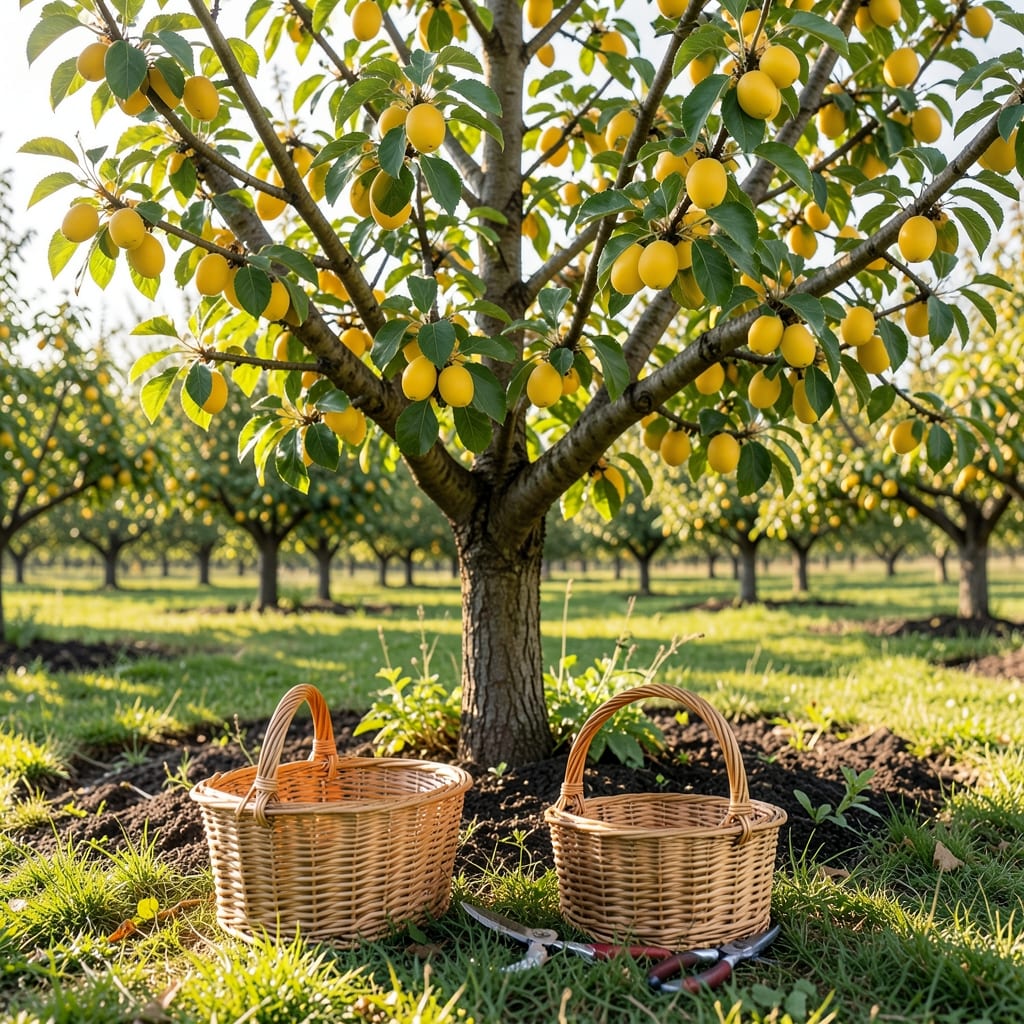
That first bite of a ripe yellow gold plum changed my gardening priorities forever. Sweet, juicy, and shockingly productive, this tree rewards patience with bushels of golden fruit year after year.
I killed two plum trees before learning the simple secrets: well-draining soil, full sun, and protection from late frosts. Now my yellow gold thrives with minimal fuss, even in Zone 5 conditions.
The payoff comes in mid-summer when branches bend under the weight of ripe plums. You’ll taste the difference immediately—store-bought varieties can’t compete with homegrown sweetness.
Perfect for fresh eating, preserves, or sharing with neighbors. Here’s how to get it right from planting day one.
The discoloration of plums into a yellow-gold hue is often a sign of underlying issues affecting the fruit’s health or ripening process. Below are the primary causes, explained with scientific precision to help you diagnose and address the problem.
Plums turning yellow-gold may indicate a lack of essential nutrients, particularly nitrogen or magnesium. Nitrogen deficiency often causes uniform yellowing of leaves and fruit, while magnesium deficiency leads to interveinal chlorosis (yellowing between veins). Conduct a soil test and amend with balanced fertilizers or magnesium-rich compounds like Epsom salt to restore vibrancy.
Extreme temperatures, drought, or excessive sunlight can trigger oxidative stress in plums, leading to abnormal pigmentation. High heat accelerates chlorophyll breakdown, revealing carotenoids (yellow pigments). Ensure consistent irrigation and provide shade cloth during heatwaves to mitigate stress.
Pathogens like Monilinia (brown rot) or Venturia (scab) can cause yellow-gold discoloration as they disrupt cellular function. Infected fruit often develops sunken lesions or fuzzy growth. Apply copper-based fungicides preventatively and prune affected branches to improve airflow.
Harvesting plums too early can result in a pale, yellow-gold appearance as they fail to develop full anthocyanin (purple) pigments. Wait until fruit reaches its optimal sugar content (test with a refractometer) and exhibits deep coloration before picking.
If your plum tree is showing signs of yellowing leaves or poor fruit color, these targeted fixes can help restore its health and vibrancy. Address the root causes with these practical steps.
Yellowing leaves often signal a lack of nitrogen, iron, or magnesium. Test your soil and amend it with:
Prevention: Fertilize in early spring with a balanced 10-10-10 formula and retest soil every 2–3 years.
Soggy roots cause yellowing and stunted growth. Improve drainage by:
Prevention: Water deeply but only when the top 2 inches of soil are dry. Use drip irrigation to avoid wetting foliage.
Aphids and scale insects suck sap, causing yellow spots. Treat with:
Prevention: Inspect leaves weekly and prune affected branches to limit spread. 💡 Pro tip: Apply oil sprays in the evening to avoid harming bees.
Plum trees need 6–8 hours of sunlight daily. If yellowing persists in shaded areas:
Prevention: Plan your orchard layout to space trees 10–15 feet apart for optimal light exposure.
Most yellow plum varieties begin producing fruit in 3-5 years after planting. Dwarf varieties may fruit sooner, while standard trees can take up to 6 years. Proper care speeds up this process.
Plant bare-root trees in late winter or potted trees in early spring. Avoid planting during extreme heat or frost. Early planting gives roots time to establish before summer.
This often results from poor pollination, insufficient water, or nutrient deficiencies. Thin fruit when they’re 1 inch in diameter to improve size and quality. Consistent watering helps too.