
Beautiful Plants For Your Interior
Beautiful Plants For Your Interior
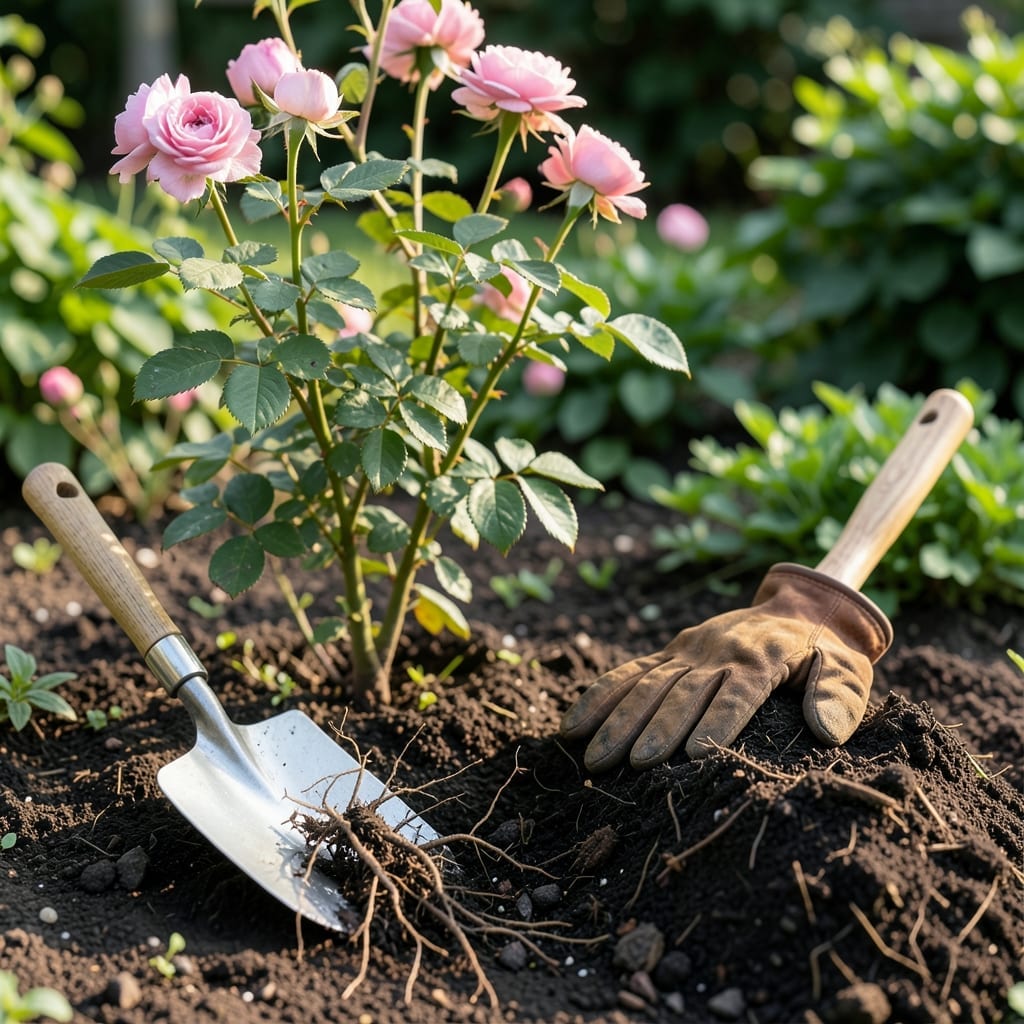
Timing is everything when planting bare root 🌹 Rose in Zone 8, where the mild winters and hot summers create a unique growing window.
Plant too early or too late, and your roses may struggle to establish strong roots. The good news? There’s a more efficient way to get it right.
I’ve learned that understanding your climate’s rhythm is the key to success. Zone 8 offers flexibility, but timing still matters more than you might think.
Let me walk you through the best windows for planting and how to set your roses up for faster, healthier growth. You’ll be amazed at the difference it makes.
In USDA Zone 8, timing is crucial for bare root roses to thrive. The region’s mild winters and hot summers create two ideal windows: early spring and late fall. These periods allow roots to establish before extreme temperatures hit.
I’ve found that January to February works best for spring planting, giving roses a head start before the last frost date around March 15. For fall, aim for October to November, ensuring roots settle before the first frost near November 15. 🌹
| Planting Window | Advantages | Key Considerations |
| Early Spring | Cool temps aid root growth | Plant 4-6 weeks before last frost |
| Late Fall | Mild weather reduces stress | Avoid planting 2 weeks before first frost |
| Soil Temp | 50-60°F ideal | Test with a soil thermometer |
Soil temperature is a game-changer. Bare root roses need soil around 50-60°F to encourage root development. In Zone 8, this typically aligns with the early spring or late fall windows I mentioned. Use a soil thermometer to confirm.
For spring planting, I recommend soaking the roots in water for 2-3 hours before planting. This rehydrates them after dormancy. In fall, ensure the soil stays moist but not waterlogged, as excess moisture can rot the roots before winter. 🌱
Zone 8’s 240 frost-free days give you flexibility, but avoid planting during summer heatwaves. High temperatures stress the roses, making it harder for them to establish. If you miss the spring window, fall is your next best bet.
Another tip: mulch heavily after planting in fall to insulate the roots from temperature swings. In spring, mulch helps retain moisture as the weather warms. Either way, well-draining soil is non-negotiable to prevent root rot. ✂️
If you’re planting multiple roses, space them 3-4 feet apart to allow for air circulation. This reduces the risk of fungal diseases, which can be a problem in Zone 8’s humid conditions. Always plant the bud union about 2 inches below soil level.
Finally, water deeply after planting and keep the soil consistently moist for the first 4-6 weeks. This is critical for root establishment. Once established, roses in Zone 8 are relatively drought-tolerant but will bloom best with regular watering. 💧
By sticking to these windows and tips, your bare root roses will have the best chance to thrive in Zone 8’s unique climate. Happy planting!
Planting bare root roses in Zone 8 requires careful timing and preparation. I recommend starting 4-6 weeks before your last frost date, which is typically March 15 in this zone. This gives roots time to establish before summer heat arrives.
First, soak the roots in water for 2-3 hours to rehydrate them. This step is crucial for reviving dormant plants and ensuring they get off to a strong start.
After planting, mulch heavily with 2-3 inches of organic material. This helps retain moisture and protects roots from temperature swings common in Zone 8.
For post-planting care, water deeply once weekly unless rain provides 1 inch of moisture. Avoid overhead watering to prevent fungal diseases on your new roses.
Remember, morning watering is best in Zone 8’s climate. It allows foliage to dry quickly in the sun, reducing disease risks while ensuring proper hydration.
With these steps, your bare root roses will establish strong root systems before summer’s heat or winter’s chill arrives. Happy planting! 🌹