
Beautiful Plants For Your Interior
Beautiful Plants For Your Interior
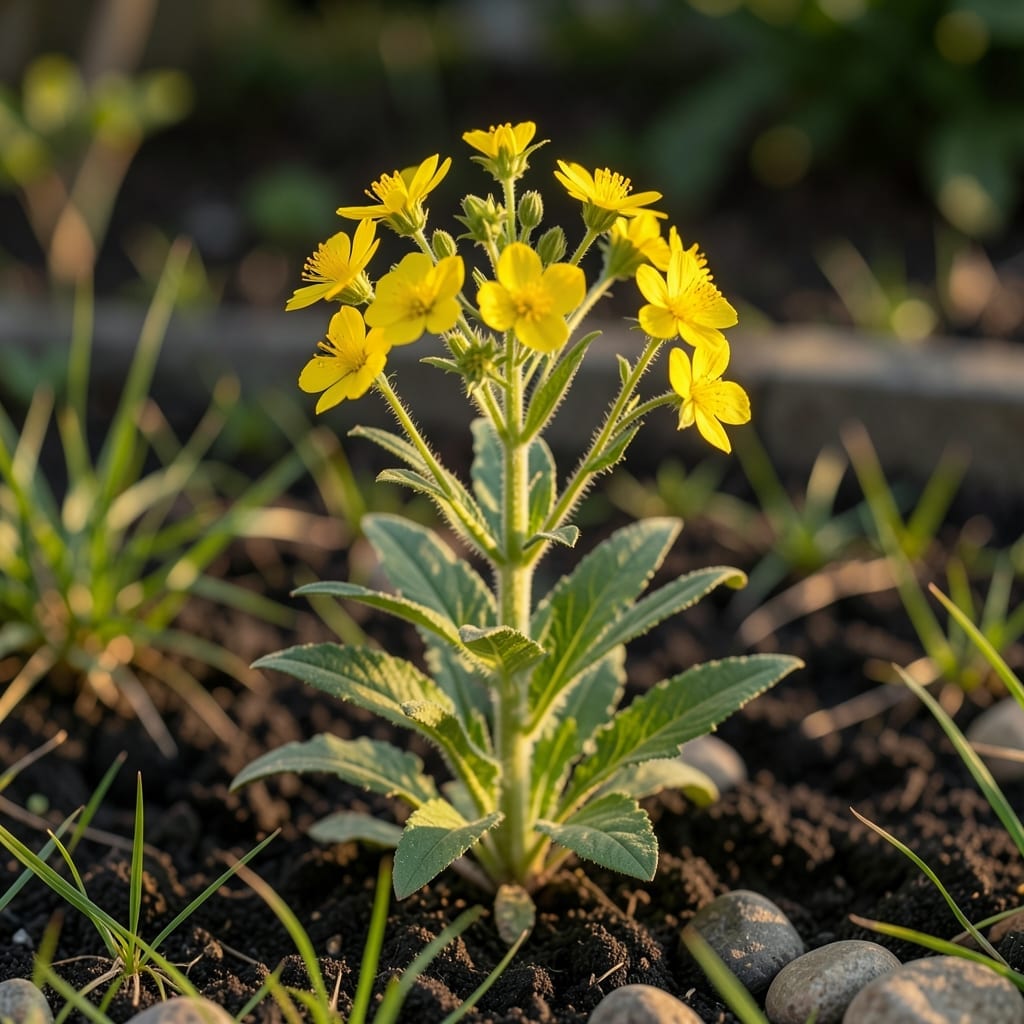
Yellow evening primrose thrives in Texas as a drought-tolerant native perennial, blooming bright yellow flowers at dusk. It attracts pollinators and prefers full sun with well-draining soil.
I love how this plant adapts to the Lone Star State’s tough conditions—its deep roots help it survive dry spells while still putting on a stunning show. Moths and bees swarm to its evening blooms, making it a garden workhorse for pollinator support. It’s perfect for Texas gardens needing low-maintenance color that handles the heat. ✨
💡 In This Article
This hardy perennial thrives in Texas thanks to its deep taproot system, which can extend 3-5 feet into the soil. This adaptation allows it to access moisture from lower soil layers during dry spells, a critical survival mechanism in the state’s arid regions.
The plant’s natural habitat includes prairies, roadsides, and open woodlands where the soil is typically sandy or loamy. 🔥
Yellow evening primrose is a short-lived perennial, often completing its lifecycle in 2-3 years. It spreads via self-seeding, with each plant producing hundreds of tiny seeds that germinate readily in disturbed soils. This reproductive strategy ensures its persistence even in challenging environments.
The seeds remain viable in the soil for several years, waiting for optimal conditions to sprout.
The plant plays a vital role in Texas ecosystems by providing nectar for nocturnal pollinators. Its flowers, which open in the late afternoon and remain open until mid-morning, are specifically adapted to attract moths. This timing ensures efficient pollination while conserving water, as the plant avoids the harsh midday sun. ✨
In the wild, yellow evening primrose often grows in full sun to partial shade, demonstrating its adaptability. It tolerates a wide range of soil types, from clay to sandy soils, as long as drainage is good.
This versatility makes it a resilient component of Texas’ native flora, capable of thriving in both disturbed and undisturbed areas.
Its drought tolerance is further enhanced by a waxy coating on its leaves, which reduces water loss through transpiration. This feature, combined with its deep roots, allows the plant to endure periods of limited rainfall, a common occurrence in Texas.
The plant’s ability to enter dormancy during extreme droughts also contributes to its survival in harsh conditions. 🌟
Yellow evening primrose blooms open in the late afternoon and stay open until mid-morning the next day. This unique schedule attracts nocturnal pollinators like moths.
Once established, water deeply once weekly during extreme heat. The deep taproot system helps it survive droughts, but young plants need consistent moisture for the first 2-3 months.
Yes, deer typically avoid yellow evening primrose due to its slightly fuzzy leaves. However, in areas with high deer pressure, young plants may still get nibbled until they mature.
It’s possible but challenging. Use a large container at least 18 inches deep to accommodate the taproot, and ensure excellent drainage. Container-grown plants require more frequent watering.