
Beautiful Plants For Your Interior
Beautiful Plants For Your Interior
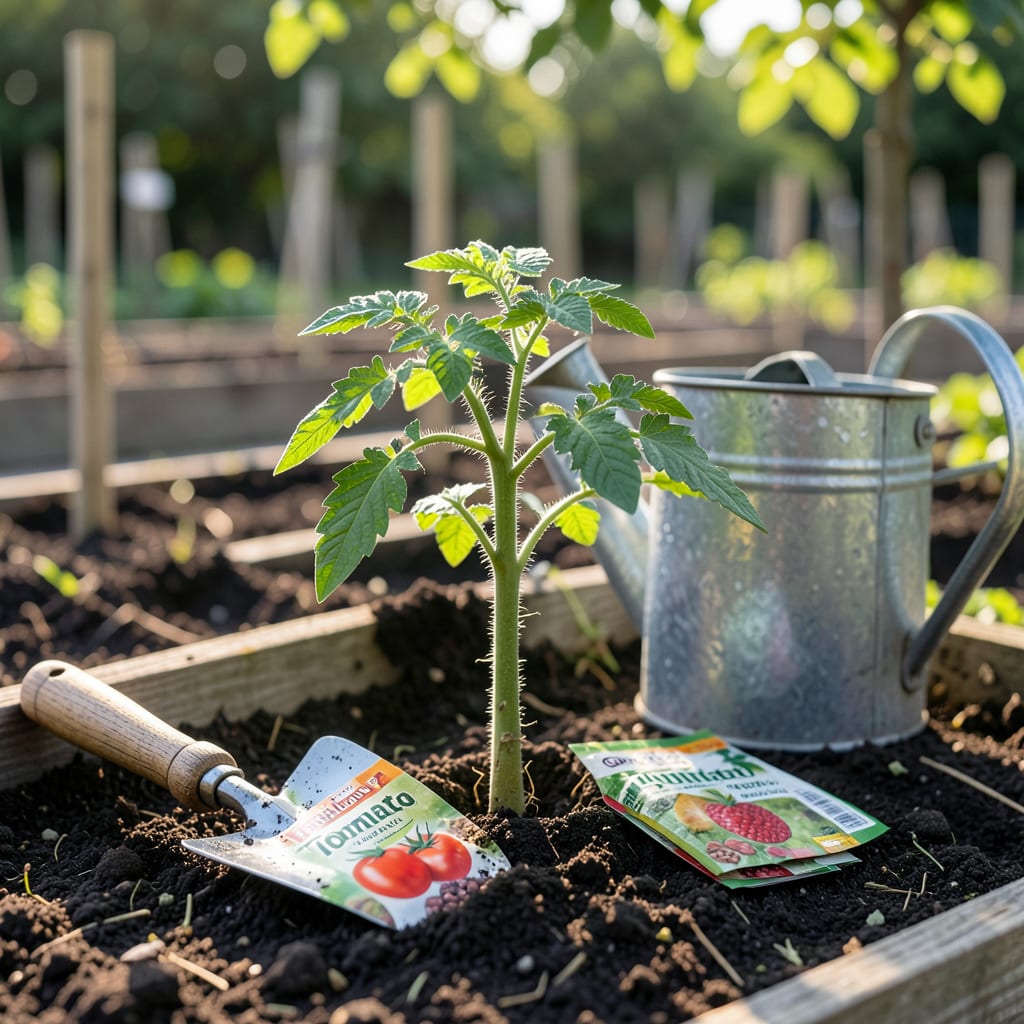
Texas gardeners know the struggle: one week it’s frost warnings, the next it’s 100°F heatwaves. That wild swing makes timing your planting schedule absolutely critical. What thrives in North Texas might fry in the Rio Grande Valley—so when’s the right moment to get those seeds in the ground?
I’ve dug through Texas A&M AgriLife data and tested these schedules in my own garden. Whether you’re in Zone 6a or 10b, I’ll break down the exact windows for vegetables, herbs, and flowers—so you avoid the heartbreak of wasted effort. Let’s get this right.
If you’ve ever wondered why your neighbor’s tomatoes thrive while yours struggle, the answer often lies in Texas’s diverse planting zones. Our state spans USDA zones 6a-10b, meaning what works in Dallas (Zone 8a) might fail in El Paso (Zone 8b) or Houston (Zone 9a). 🌱
The secret to success? Matching your planting schedule to your local frost dates and heat patterns. North Texas gardeners battle late spring frosts, while South Texas gardeners contend with year-round heat and humidity. Let’s break down the ideal windows. ☀️
| Region | USDA Zone | Last Frost | First Frost | Best Planting Window |
|---|---|---|---|---|
| North Texas (Dallas, Fort Worth) |
7b-8a | March 15 | November 15 | Mid-March to April August to September |
| Central Texas (Austin, San Antonio) |
8a-8b | February 15 | November 30 | February to March September to October |
| East Texas (Houston, Beaumont) |
8b-9a | February 1 | December 15 | January to February October to November |
| West Texas (El Paso, Lubbock) |
7a-8b | March 30 | October 30 | April to May August to September |
| South Texas (Brownsville, Corpus Christi) |
9b-10a | January 15 | December 30 | Year-round (avoid July-August heat) |
Data sourced from Texas A&M AgriLife Extension
In North Texas (Zone 8a), I always wait until after March 15 to plant tomatoes and peppers—that last frost can sneak up on you! For cool-season crops like broccoli and kale, aim for late August plantings to avoid bolt. 🌿
Down in Central Texas (Zone 8b), gardeners get a head start. I’ve had success planting snap beans as early as February 15, but squash and cucumbers do better after March 1. The fall garden is where Central Texas shines—plant carrots and beets in September for sweet winter harvests. 🪴
East Texas gardeners (Zone 9a) enjoy mild winters, but humidity can be a challenge. I recommend disease-resistant varieties like ‘Celebrity’ tomatoes and ‘Straight Eight’ cucumbers. Plant okra in April—it thrives in the heat and humidity that wilt other crops. 💧
Out in West Texas, drought tolerance is key. I’ve found ‘Black Kow’ compost helps retain moisture for peppers and eggplants. Plant early maturing varieties like ‘Bush Early Girl’ tomatoes to beat the June heatwave. Drip irrigation is a game-changer here! ☀️
If you’re in South Texas (Zone 10a), you can garden nearly year-round—but July and August are brutal. I focus on heat-loving crops like sweet potatoes, malabar spinach, and roselle hibiscus during summer. For winter, try ‘Texas Early’ onions
Now that you know your Texas planting zone, let’s dive into the monthly breakdown for what to plant. I’ve tested these schedules in my own garden, and they account for Texas’s unpredictable weather swings—from late frosts to early heatwaves. 🌱
Remember, soil temperature matters more than air temperature. I use a soil thermometer to check that it’s at least 60°F for warm-season crops like tomatoes and peppers. For cool-season crops, 40-50°F soil is ideal. ☀️
South/Central Texas: Plant onions, potatoes, carrots. Start tomato seeds indoors.
Central/South: Direct sow peas, lettuce, spinach. Transplant broccoli and cabbage.
All zones: Plant tomatoes, peppers, cucumbers after last frost. North Texas waits until late March.
Prime time! Plant squash, beans, okra, and sweet corn. Herbs like basil and cilantro thrive now.
Last call for warm-season crops. Plant sweet potatoes and Southern peas. Mulch heavily to retain moisture.
Too hot for most plants. Focus on heat-tolerant varieties like okra, black-eyed peas, and malabar spinach.
Fall garden time! Plant broccoli, kale, carrots, and beets. Transplant cabbage and cauliflower.
Even experienced Texas gardeners can get tripped up by our wild weather swings. I’ve made (and learned from!) these mistakes myself. The biggest issue? Assuming national planting guides apply here—they don’t account for our unique microclimates and extreme heat. 🌱
One year, I lost an entire tomato crop by planting too early in North Texas. Another time, my summer squash fried because I didn’t account for the June heat dome. Let’s look at the most common pitfalls and how to avoid them. ☀️
1. Ignoring Soil Temperature
Air temps might say “spring,” but cold soil stunts growth. Use a soil thermometer—wait for 60°F+ for warm-season crops.
2. Following Generic Calendars
Texas isn’t Iowa! Our Zone 6a-10b range means planting dates vary wildly. Always check your local frost dates first.
3. Underestimating Summer Heat
July-August is too hot for most veggies. Switch to okra, black-eyed peas, or malabar spinach during peak heat.
4. Skipping Microclimate Adjustments
Urban areas run 5-10°F hotter than rural zones. If you’re in Dallas or Austin, plant 1-2 weeks earlier than guides suggest.
5. Overlooking Water Needs
Our clay soils drain poorly. Install drip irrigation and mulch with 3-4 inches of organic matter to retain moisture.
I see gardeners make the soil temperature mistake most often. Last spring, my neighbor planted peppers in early March when air temps hit 70°F—but the soil was still 50°F. Those plants sulked for weeks! Now I wait until soil reaches 60°F for nightshades. 🌿
The generic calendar trap caught me my first year. I followed a Midwest guide and planted squash in May—just in time for it to wilt in June’s 100°F heat. Now I use Texas A&M’s AgriLife Extension resources and adjust for my Zone 8a location. Their planting calculators are gold! 🪴
For summer survival, I’ve switched to heat-proof varieties. ‘Jalapeño M’ peppers and ‘Arkansas Traveler’ tomatoes handle our 100°F+ days better than standard types. And I always plant okra in June—it laughs at the heat while other crops wilt. 💧
Don’t let these mistakes derail your garden! Grab a soil thermometer, bookmark Texas A&M’s planting guides, and adjust for your specific microclimate. Your harvests will thank you—just like mine did after I learned these lessons the hard way! ✂️
Use the USDA Plant Hardiness Zone Map and enter your ZIP code. Texas ranges from Zone 6a in the Panhandle to Zone 10b in the Rio Grande Valley. For hyper-local accuracy, check Texas A&M AgriLife’s county-specific guides.
Only South Texas (Zones 9b-10a) supports near year-round gardening. Even there, July-August’s extreme heat limits options to heat-lovers like okra or malabar spinach. Other regions have 2-3 planting seasons (spring, fall, and sometimes winter).
Planting by calendar dates instead of soil temperature. Air temps might hit 70°F in March, but if soil is below 60°F, seeds rot and seedlings stall. Always use a soil thermometer—it’s a $10 tool that saves hundreds in lost plants.
Focus on heat-tolerant varieties like ‘Jalapeño M’ peppers, ‘Arkansas Traveler’ tomatoes, okra, black-eyed peas, and sweet potatoes. These handle 100°F+ days better than standard varieties.
Urban heat islands can make cities 5-10°F warmer than surrounding areas. This means you can plant 1-2 weeks earlier in spring but must protect plants from intense summer heat with shade cloth or mulch.
