
Beautiful Plants For Your Interior
Beautiful Plants For Your Interior
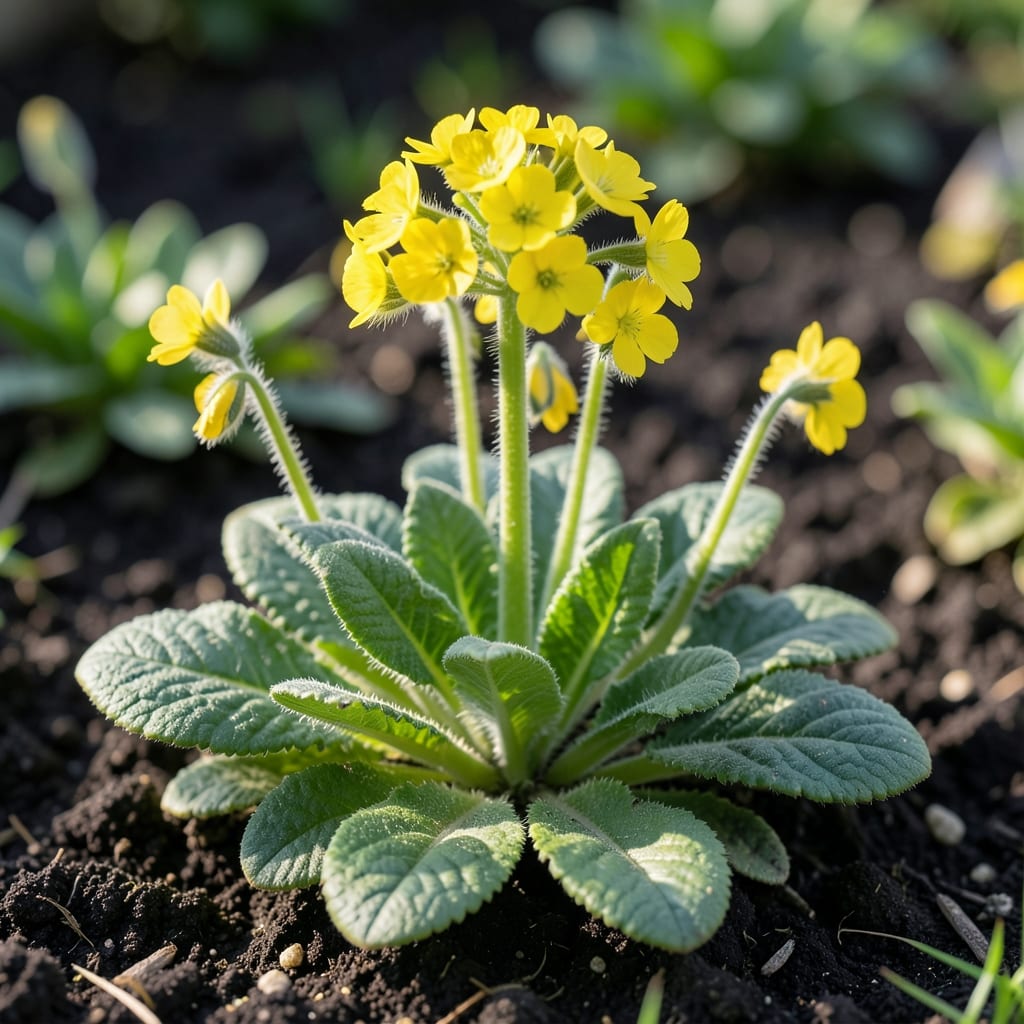
Those yellow primrose leaves staring back at you aren’t just ugly—they’re a distress signal. I’ve seen this happen too many times when plants get the wrong kind of attention.
Usually, it’s overwatering, poor drainage, or a nutrient imbalance throwing your primroses off. The good news? Fixing it often takes just a few simple adjustments to your care routine.
You’ll start seeing greener leaves within 2-3 weeks once the underlying issue is addressed. The plants bounce back surprisingly fast when given the right conditions.
Works for all primrose varieties, whether in garden beds or containers. Here’s how to diagnose and treat the problem properly.
Yellowing leaves on primroses often signal underlying issues. Here are the most common causes:
Primroses require balanced nutrition. A lack of nitrogen or iron can cause chlorosis, where leaves turn yellow due to insufficient chlorophyll. Nitrogen deficiency typically affects older leaves first, while iron deficiency appears as interveinal yellowing on younger growth. Action: Test soil pH (aim for 6.0–7.0) and amend with organic compost or a slow-release fertilizer.
Excess moisture suffocates roots, leading to root rot and nutrient uptake failure. Yellowing starts at the base and spreads upward. Action: Ensure pots have drainage holes and use well-draining soil. Water only when the top inch of soil feels dry.
Too much direct sunlight can scorch leaves, while insufficient light weakens chlorophyll production. Primroses thrive in partial shade. Action: Relocate plants to a spot with dappled sunlight or morning sun only.
Sap-sucking pests like aphids or spider mites drain nutrients, causing yellow stippling or mottling. Action: Inspect leaf undersides and treat with neem oil or insecticidal soap.
Pathogens such as Phytophthora or Pseudomonas trigger yellow spots or wilting. Action: Remove infected leaves, improve air circulation, and avoid overhead watering.
If your primrose leaves are turning yellow, don’t panic—most issues are fixable with a few simple adjustments. Below are targeted solutions for common causes, along with prevention tips to keep your plant thriving.
Fix: Let the soil dry out slightly between waterings. Repot the plant in well-draining soil and a container with drainage holes if it’s sitting in soggy conditions. Trim any blackened, mushy roots to prevent rot.
Prevention: Use a moisture meter or the finger test (stick your finger 1 inch into the soil—if it’s dry, it’s time to water). Always empty the saucer under the pot after watering.
Fix: Move your primrose to a spot with bright, indirect light. If leaves are crispy or bleached, it’s likely sunburned—provide shade during the hottest part of the day.
Prevention: East- or north-facing windowsills are ideal. Rotate the plant occasionally for even light exposure.
Fix: Feed your primrose with a balanced, water-soluble fertilizer (10-10-10 or 20-20-20) every 2–4 weeks during the growing season. Yellowing between veins often signals iron deficiency—use a chelated iron supplement if needed.
Prevention: Refresh the soil annually with compost or organic matter to maintain nutrient levels.
Fix: Inspect the undersides of leaves for aphids, spider mites, or whiteflies. Spray off pests with water or use insecticidal soap for severe cases. Neem oil is a natural alternative.
Prevention: Keep your plant clean and isolate new plants for a few weeks to avoid spreading pests.
Fix: Primroses prefer cool temperatures (50–70°F). Move indoor plants away from heaters or drafty windows. Outdoors, mulch around the base to protect roots from extreme temps.
Prevention: Avoid sudden temperature changes—acclimate plants gradually when moving them indoors or outdoors.
💡 Pro Tip: Yellow leaves won’t turn green again, but fixing the issue will help new growth stay healthy!
No, once leaves turn yellow they won’t recover. Focus on fixing the underlying issue to help new growth stay healthy. You’ll see improvement in 2-3 weeks with proper care.
Water when the top 1 inch of soil feels dry. Typically this means every 5-7 days in moderate conditions. Always use pots with drainage holes to avoid root rot.
A balanced 10-10-10 or 20-20-20 water-soluble fertilizer works best. Apply every 2-4 weeks during growing season. For iron deficiency, use chelated iron supplements.
Yes, insufficient light can cause yellowing. Aim for bright, indirect light or partial shade. East- or north-facing windows are ideal for indoor plants.