
Beautiful Plants For Your Interior
Beautiful Plants For Your Interior
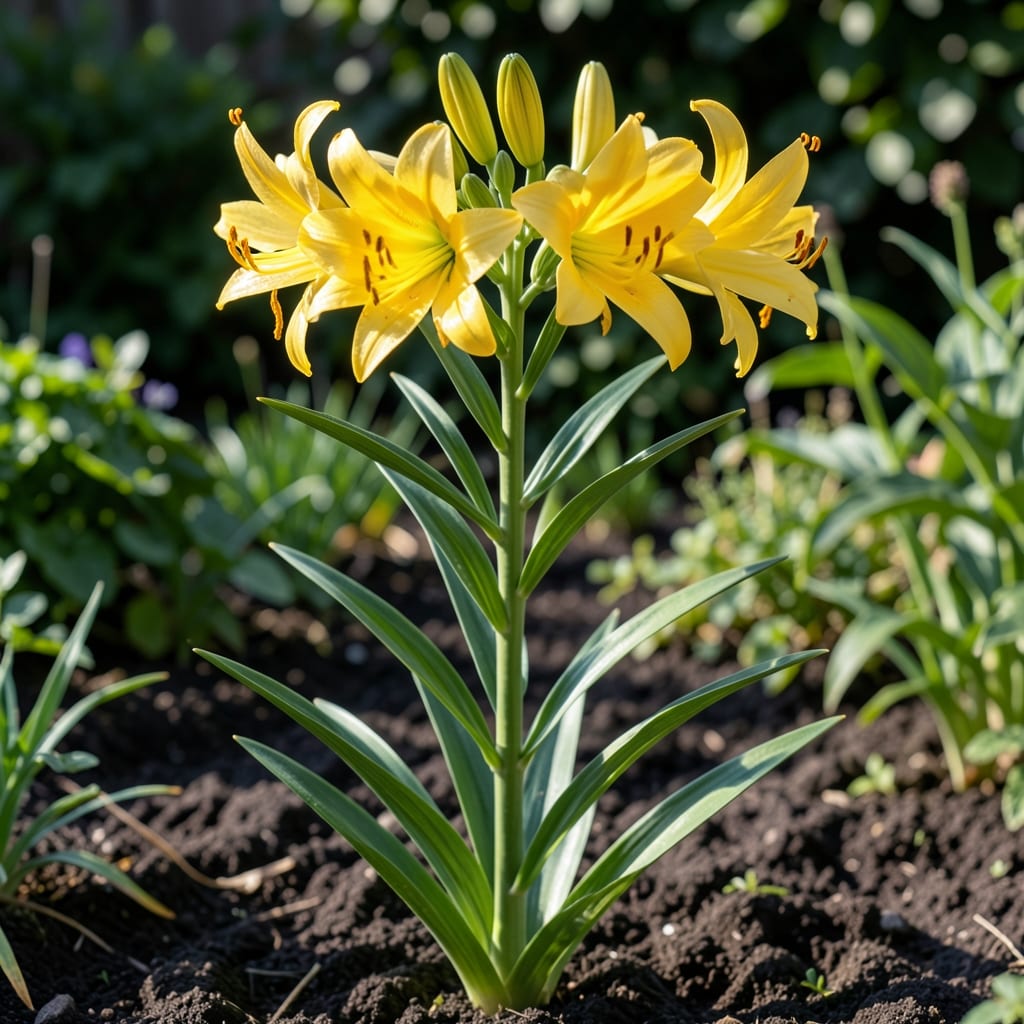
Yellow Easter lilies bring spring cheer with their bright, trumpet-shaped blooms. 🌟 I’ve grown them for years, and their sweet fragrance fills my garden when most plants are still waking up.
Here’s the thing—they need well-draining soil and 6-8 hours of sunlight daily. Too much shade and they’ll get leggy; too much water and the bulbs rot. Simple, but non-negotiable.
Plant the bulbs 6 inches deep in fall for spring blooms. They’ll multiply over time, giving you more flowers each year with almost no extra work.
Fair warning: these are toxic to cats, so keep them out of paw’s reach. Otherwise, they’re a foolproof way to add early color to your space.
The vibrant Easter lily (Lilium longiflorum) can pose serious risks, particularly to pets, due to its natural chemical composition. Here’s why toxicity occurs:
Easter lilies contain steroidal alkaloids and saponins, compounds that disrupt cellular function in animals. When ingested, these toxins damage the intestinal lining, leading to severe vomiting, diarrhea, and dehydration. In cats, even small amounts can trigger acute kidney failure within 24–72 hours.
Cats lack specific enzymes to metabolize lily toxins, making them highly susceptible. The plant’s pollen, leaves, stems, and even vase water can deliver harmful doses. Toxicity progresses rapidly as the kidneys filter the compounds, causing irreversible damage without prompt treatment.
Stressed plants (e.g., from overwatering or poor soil) may produce higher toxin concentrations. While not directly causing toxicity, these conditions amplify the risk if pets access the plant. Proper care reduces but doesn’t eliminate the danger—prevention remains key.
Actionable Tip: Remove all lily parts from pet-accessible areas immediately. For exposure, rinse the pet’s mouth and contact a vet or ASPCA Poison Control.
If your Easter lily is turning yellow, act fast to revive it. Here are targeted solutions for common causes:
Stop watering immediately and let the soil dry out. Remove the plant from its pot, trim any black or mushy roots, and repot in fresh, well-draining soil. Ensure the pot has drainage holes to prevent waterlogging.
Prevention tip: 💡 Water only when the top inch of soil feels dry. Use a moisture meter for accuracy.
Give the plant a thorough drink until water drains from the bottom. If the soil has pulled away from the pot edges, soak the pot in a tray of water for 10–15 minutes to rehydrate the roots.
Prevention tip: 💡 Check soil moisture weekly. Yellow, crispy leaves often signal thirst.
Move the lily to a stable environment (60–75°F). Keep it away from drafts, heaters, or AC vents. If exposed to cold, wrap the pot in bubble wrap to insulate roots.
Prevention tip: 🌡️ Avoid placing near windows in extreme weather. Lilies prefer consistent temps.
Use a balanced, water-soluble fertilizer (10-10-10) diluted to half strength. Apply every 2 weeks during growth season. Yellow lower leaves often mean nitrogen deficiency.
Prevention tip: ✨ Feed monthly in spring/summer, but skip fertilizer in winter dormancy.
Wipe leaves with a damp cloth to remove aphids or spider mites. For stubborn pests, spray with insecticidal soap or neem oil. Isolate the plant to prevent spreading.
Prevention tip: 🎯 Inspect leaves weekly. A quick wipe-down prevents most infestations.
No, they are highly toxic to cats and can be harmful to dogs. Even small amounts can cause severe kidney damage in cats. Keep them completely out of reach of pets.
Water when the top 1 inch of soil feels dry. Overwatering leads to root rot, while underwatering causes yellowing leaves. Aim for consistent moisture without soggy soil.
They thrive in bright, indirect light with 6-8 hours of sunlight daily. Too little light causes leggy growth, while too much direct sun can scorch the leaves.
Yes, but ensure they get enough light and good air circulation. Place near a sunny window and rotate the pot weekly for even growth. Avoid cold drafts.