
Beautiful Plants For Your Interior
Beautiful Plants For Your Interior
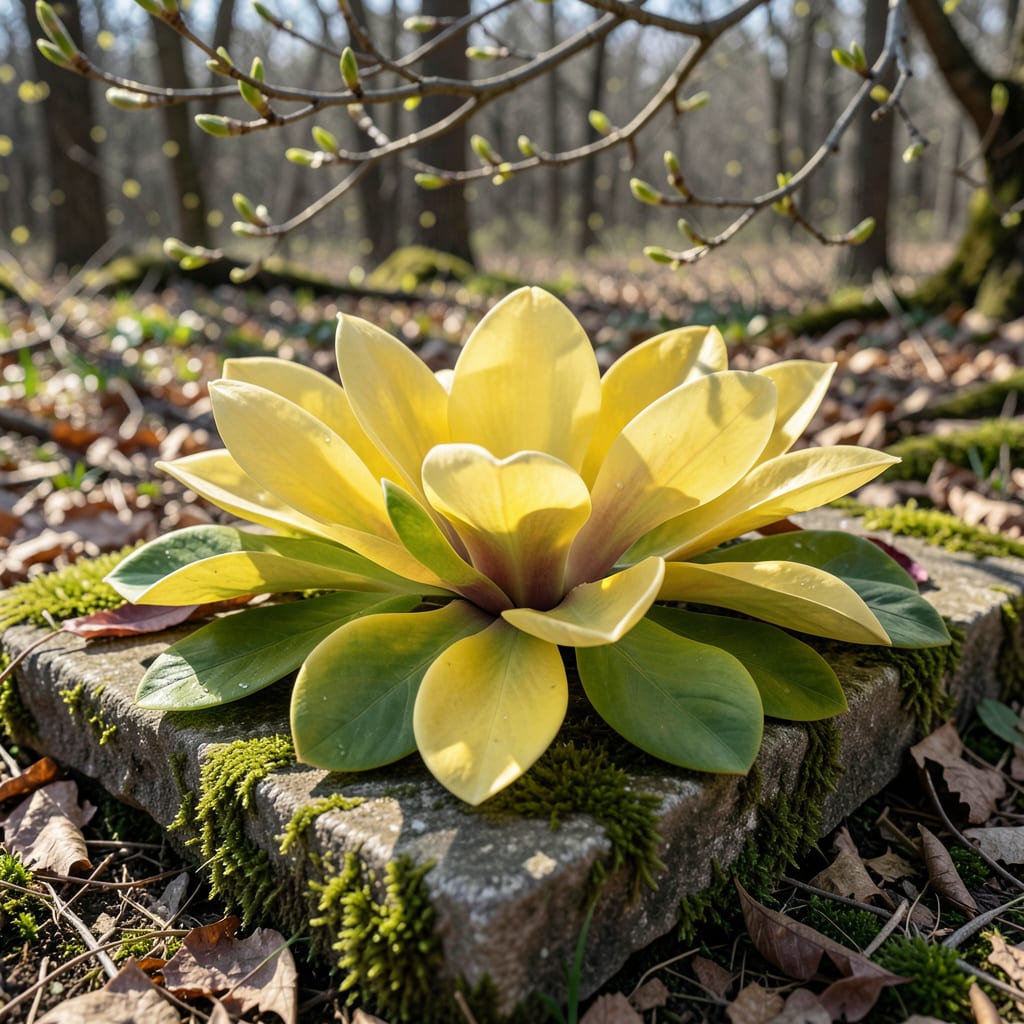
Yellow magnolia leaves in spring had me panicking my first year. Turns out, it’s often just the tree’s way of shedding old growth to make room for new. But sometimes, it signals a deeper issue.
I’ve seen this happen when the soil lacks iron or nitrogen, or when roots sit in soggy ground. The good news? It’s usually fixable with a soil test and some simple adjustments to watering or fertilization.
Other times, pests or diseases sneak in, but those cases are rarer. Most of the time, it’s about giving your magnolia the right conditions to thrive.
Let’s figure out what’s causing the yellow and get your tree back to its vibrant green best.
Spring is a time of renewal, but seeing your magnolia’s leaves turn yellow can be alarming. 🌿 This discoloration often stems from a few key issues, each with distinct causes and solutions.
Magnolias require a balanced diet of nitrogen, iron, and magnesium. A lack of nitrogen often causes uniform yellowing (chlorosis), starting with older leaves. Iron deficiency, common in alkaline soils, leads to interveinal chlorosis—yellow leaves with green veins. Test your soil’s pH (ideal: 5.0–6.5) and amend with sulfur or iron chelates if needed.
Too much water suffocates roots, preventing nutrient uptake. Magnolias prefer moist but well-drained soil. Yellowing leaves paired with wilting signal root rot. Check drainage and adjust watering to let the top inch of soil dry between sessions.
Late frosts or sudden temperature swings can shock magnolias, causing yellowing. Young leaves are especially vulnerable. Protect trees with mulch or frost cloth if cold snaps are forecasted.
Evergreen magnolias shed older leaves in spring to make way for new growth. If yellowing is limited to inner, lower leaves and new foliage looks healthy, it’s likely normal senescence—no action needed!
Identify the pattern of yellowing to pinpoint the cause and restore your magnolia’s vibrant green.
Here’s how to address the most common causes of yellowing magnolia leaves in spring, with practical fixes and prevention tips to keep your tree thriving.
If a soil test reveals low nitrogen, iron, or magnesium, apply a balanced, slow-release fertilizer (10-10-10 or 12-4-8) in early spring. For iron deficiency (common in alkaline soils), use chelated iron as a foliar spray or soil drench. Magnesium shortages often respond well to Epsom salt (1 tablespoon per gallon of water) sprayed on leaves.
Prevention tip: 💡 Amend soil annually with compost or well-rotted manure to maintain nutrient balance.
Yellow leaves with wilting often signal root rot from soggy soil. Stop watering immediately and let the top 2–3 inches of soil dry out. If drainage is poor, mix in perlite or sand to improve aeration. For potted magnolias, ensure containers have drainage holes.
Prevention tip: ✨ Water deeply but only when the topsoil feels dry—magnolias prefer slightly moist, not waterlogged, conditions.
If yellowing is limited to older, inner leaves and new growth looks healthy, it’s likely seasonal shedding. Magnolias naturally drop some foliage in spring to make way for new leaves. No action is needed—just rake up fallen leaves to prevent fungal growth.
Prevention tip: 🎯 Prune dead branches in late winter to encourage vigorous new growth and reduce stress.
Check undersides of leaves for scale, aphids, or spider mites. Blast pests off with a strong water spray, or apply neem oil or insecticidal soap for severe cases. Repeat treatment every 5–7 days until pests are gone.
Prevention tip: 🌡️ Encourage beneficial insects like ladybugs by planting companion flowers (e.g., marigolds) nearby.
Not always. If only older leaves turn yellow and new growth looks healthy, it’s likely natural shedding.
Check for wilting alongside yellowing, or dig near the roots—soggy soil or a foul smell signals overwatering.
Apply chelated iron as a foliar spray or soil drench. Results often appear within 1-2 weeks.
Only if they’re diseased or pest-infested. Otherwise, let them fall naturally to avoid stressing the tree.
