
Beautiful Plants For Your Interior
Beautiful Plants For Your Interior
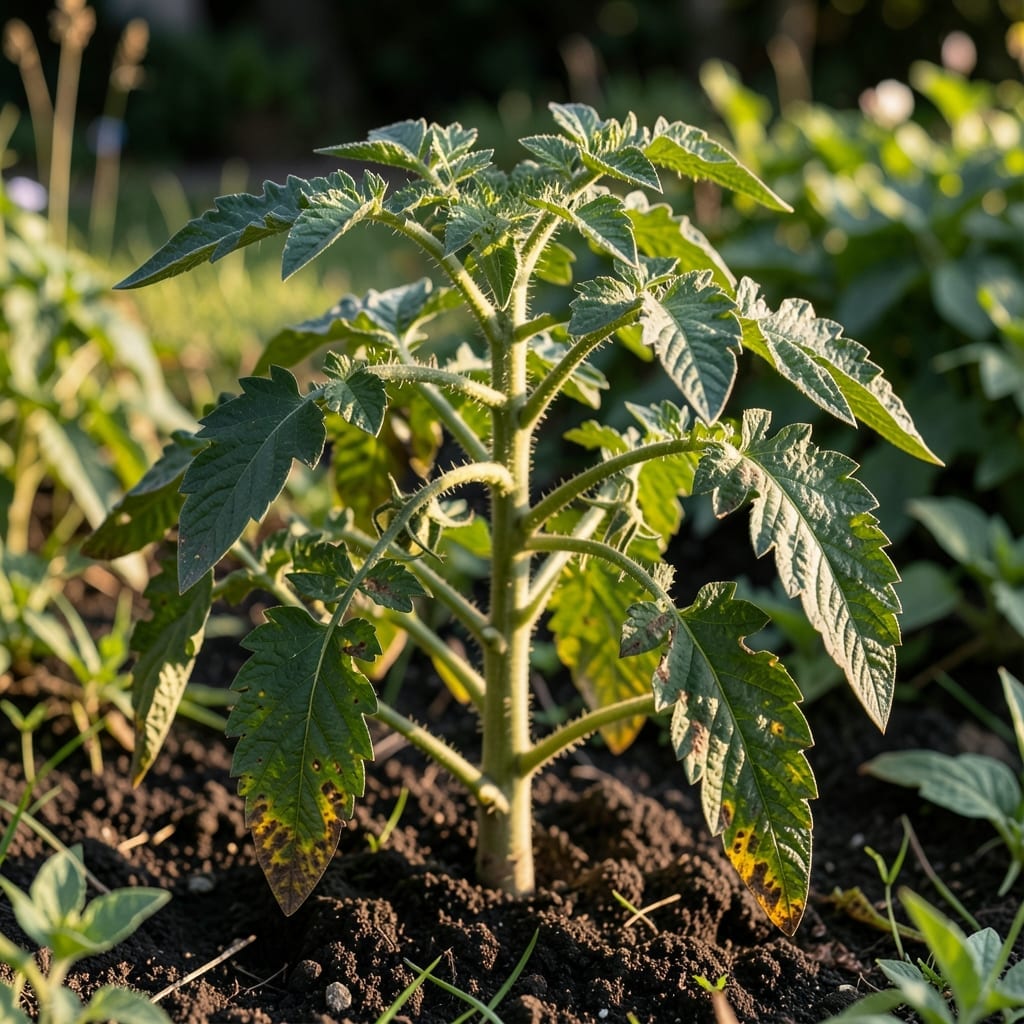
Spotted yellow-brown patches on your leaves? This fungus spreads fast but catches you early with the right know-how.
I first noticed it on my tomatoes—small spots that grew overnight. It thrives in damp conditions with poor airflow, hitting roses, beans, and cucumbers just as hard. The key is acting before it takes over your garden.
Organic treatments work surprisingly well. A simple baking soda spray or neem oil application stops it in its tracks without harsh chemicals. 2-3 applications usually clear it up completely.
Prevention is simpler than cure. Space plants properly, water at the base, and remove infected leaves immediately. Your garden will thank you.
The yellow-brown fungus you’re seeing in your garden is often the result of environmental and biological factors working together. Below are the most common causes, explained simply but scientifically.
Fungi thrive in damp conditions. Overwatering, poor drainage, or high humidity create the perfect breeding ground for spores to germinate. Prolonged leaf wetness (from rain, irrigation, or dew) accelerates fungal growth, especially in densely planted areas with little airflow.
Crowded plants or thick mulch layers trap moisture and limit airflow, promoting fungal spores to settle and spread. This is why pruning for ventilation and spacing plants properly are key preventive measures.
Fungal spores can linger in soil or decaying plant matter (like fallen leaves or old mulch). If your garden bed has a history of fungal issues, the pathogen may already be present, waiting for the right conditions to activate.
Many fungi favor warm, humid days followed by cool nights. These temperature swings stress plants, weakening their natural defenses and making them more susceptible to infection.
Using unsterilized pruning shears or introducing infected seedlings can spread fungal spores to healthy plants. Always disinfect tools and inspect new plants for early signs of disease.
Tackling yellow-brown fungal growth in your garden starts with identifying the root cause and applying targeted fixes. Below are practical solutions mapped to common triggers, plus prevention tips to keep your plants healthy long-term.
Fix: Reduce watering frequency and ensure pots or garden beds have proper drainage. Use a moisture meter to check soil dampness before watering. For potted plants, elevate containers to prevent water pooling.
Prevent it: 💡 Mix perlite or sand into soil to improve drainage. Water early in the day so foliage dries quickly.
Fix: Remove infected soil and replace it with fresh, sterile potting mix. For mild cases, treat the soil with a baking soda solution (1 tbsp baking soda + 1 gallon of water) or neem oil spray.
Prevent it: ✨ Rotate crops annually and avoid overcrowding plants to improve air circulation.
Fix: Prune dense foliage to allow airflow and sunlight penetration. Use a small fan indoors to reduce humidity around plants.
Prevent it: 🌡️ Space plants according to their mature size and thin out overgrowth regularly.
Fix: Test soil pH and amend with organic compost or a balanced fertilizer (e.g., 10-10-10) to restore nutrient levels. Yellow-brown spots may indicate a lack of potassium or magnesium.
Prevent it: 🎯 Apply compost or worm castings every 2–3 months to maintain soil health.
For severe infections, remove and destroy affected plants to prevent spreading. Always sterilize tools with rubbing alcohol after pruning infected areas!
Tomatoes, roses, and cucumbers are highly susceptible. Beans and squash often show early signs too. Check undersides of leaves for the first spots.
Without treatment, it can overtake a plant in 3-5 days under wet conditions. Warm, humid weather speeds up the process significantly.
Yes! A baking soda spray (1 tbsp per gallon of water) or diluted neem oil works well. Apply every 5-7 days until cleared.
Spores can survive in soil. Remove all infected debris and rotate crops. Sterilize tools to prevent recurrence.