
Beautiful Plants For Your Interior
Beautiful Plants For Your Interior
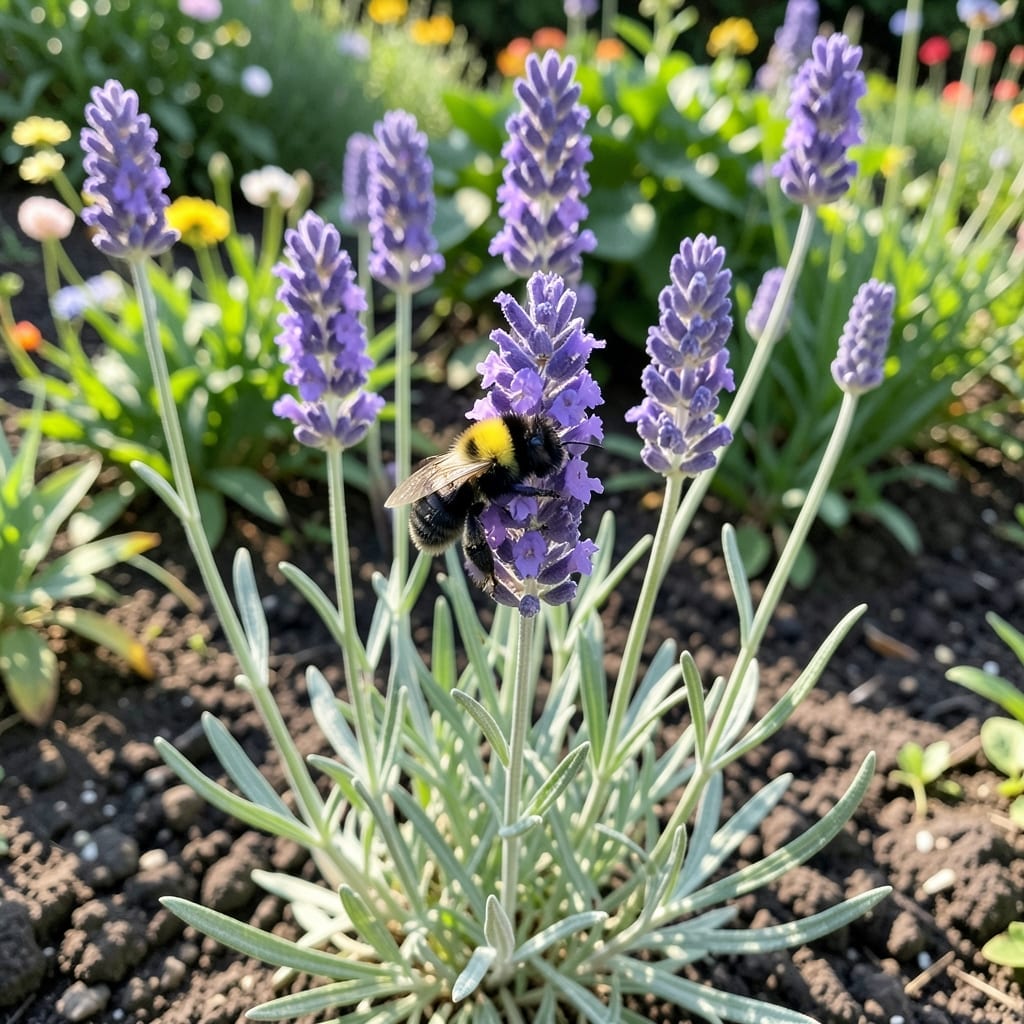
Spotted a striped visitor buzzing around your flowers? These bees are nature’s most efficient pollinators, working tirelessly to boost your garden’s harvest with minimal effort on your part.
Yellow and black bees often get a bad rap, but they’re actually gentle giants when left undisturbed. I’ve watched them transform my squash and tomato plants from barren to bountiful in a single season.
Identifying them is simple: look for bold yellow and black patterns and a fuzzy body built for carrying pollen. They’re not aggressive unless provoked, so observation is your best first step.
With the right approach, you can encourage their presence or safely relocate them if needed. Here’s how to make the most of these hardworking helpers.
The yellow black bee phenomenon often stems from environmental and biological factors affecting bee health. Below are the primary causes, explained in clear, actionable terms.
Extreme heat or cold can disrupt bee metabolism, leading to discoloration. Bees exposed to prolonged high temperatures may develop yellowish hues due to melanin degradation, while cold stress can darken their exoskeletons as a survival response.
Pathogens like Nosema or Ascosphaera (chalkbrood) can alter a bee’s appearance. These fungi thrive in damp hives, causing nutritional deficiencies that manifest as unusual coloration. Infected bees may exhibit patchy yellow or black discoloration.
Neonicotinoids and other agrochemicals interfere with bee development, often resulting in abnormal pigmentation. Bees foraging in treated areas may absorb toxins, leading to metabolic disorders that affect their exoskeleton color.
A diet lacking pollen diversity or essential amino acids can stunt bees’ growth, causing irregular coloring. For example, a deficiency in carotenoids may lead to pale or yellowish markings instead of the typical black stripes.
Dealing with these striped visitors requires calm and strategy. Here’s how to address common issues and prevent future encounters.
If you spot a nest too close for comfort, do not swat or disturb it. Instead, keep a safe distance and call a professional pest control service. They have the gear and expertise to relocate the nest without triggering aggressive behavior. Prevention tip: 💡 Seal cracks in walls and eaves in early spring to block nesting sites before they’re claimed.
Swarming can look alarming, but these bees are usually just scouting for a new home. Stay indoors and let them pass. If the swarm lingers, contact a local beekeeper—many will remove swarms for free to preserve the colony. Prevention tip: 🌡️ Remove standing water and overripe fruit from your yard, as these attract foraging bees.
One lost bee can cause panic, but it’s rarely aggressive. Open windows and doors to give it an exit route, or gently guide it outside with a piece of paper. Avoid spraying insecticides—they’re ineffective against solitary bees and can harm beneficial pollinators. Prevention tip: ✨ Install fine mesh screens on windows and vents to keep bees out while allowing airflow.
If stung, remove the stinger quickly (scrape, don’t squeeze) and clean the area. Monitor for signs of an allergic reaction like swelling, difficulty breathing, or dizziness. Seek emergency help immediately if these occur. Prevention tip: 🎯 Wear light-colored, smooth clothing outdoors and avoid strong perfumes, which can attract bees.
They’re generally docile and only sting when threatened. Most species focus on pollination, not aggression. Simply observe from a distance to avoid provoking them.
Bees have fuzzy bodies and wider midsections, while wasps are smooth and slender. Their flight patterns differ too—bees move in a zigzag, wasps fly straight.
They’re likely foraging for nectar and pollen to support their colony. A diverse garden with flowers, herbs, and vegetables is an open invitation for these pollinators.
Keep your distance and avoid disturbing it. Contact a local beekeeper or pest control expert for safe removal. Never attempt to handle it yourself.