
Beautiful Plants For Your Interior
Beautiful Plants For Your Interior
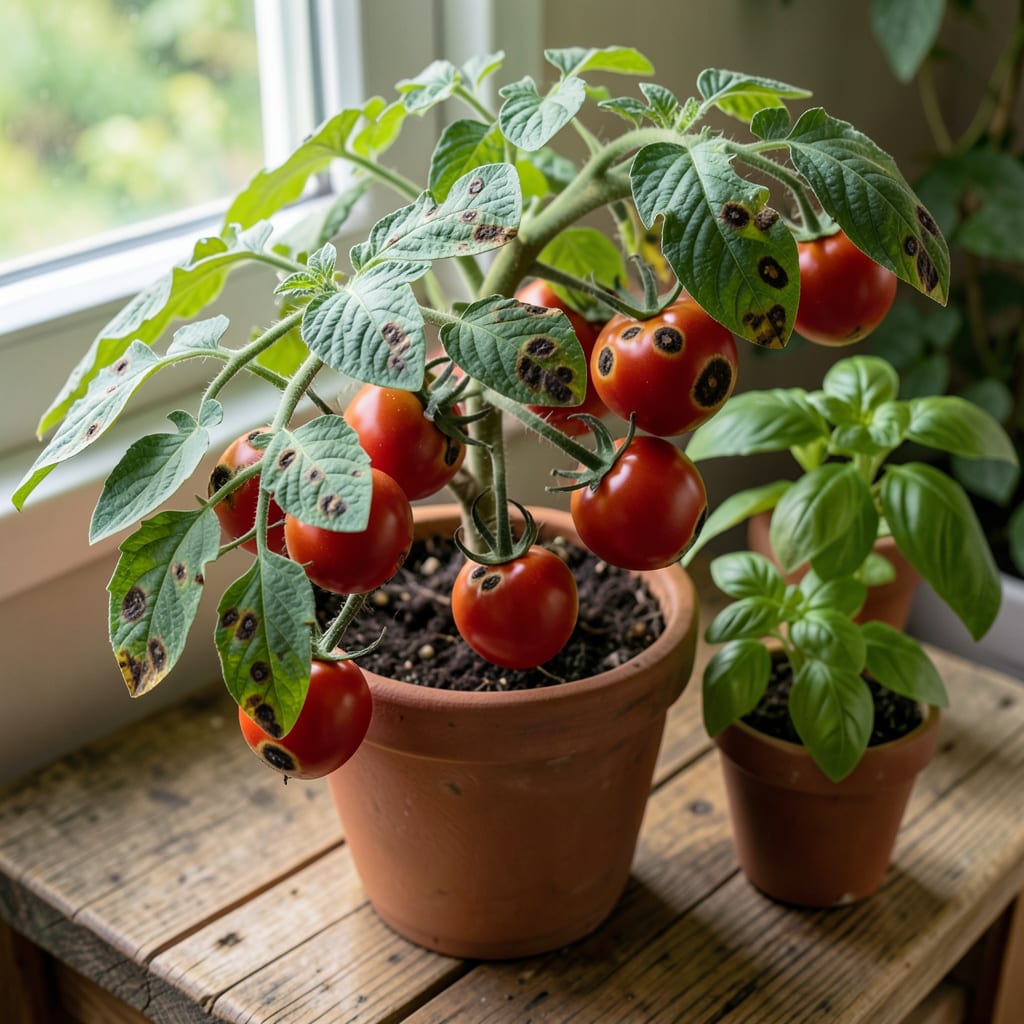
Those black spots on your tomato leaves aren’t just ugly—they’re a warning sign. I’ve lost entire crops to this before learning that early action saves the season.
Most black spots come from fungal infections that spread quickly in wet conditions. The good news? Simple changes to watering habits and plant spacing can stop it in its tracks.
You’ll notice healthier plants within 1-2 weeks of treatment. The key is removing infected leaves immediately and applying the right organic fungicide.
Works for heirlooms, cherry tomatoes, and everything in between. Let’s fix this before it spreads further.
Black spots on tomato plants are a common issue, often signaling an underlying problem. Here are the most frequent causes, explained with actionable insights:
Fungal diseases like early blight (Alternaria solani) and late blight (Phytophthora infestans) thrive in warm, humid conditions. These pathogens produce dark, concentric spots on leaves and stems, often with a yellow halo. Spores spread via water splash or wind, infecting plants through wounds or wet foliage. Solution: Improve airflow, avoid overhead watering, and apply copper-based fungicides preventatively.
Xanthomonas or Pseudomonas bacteria cause small, water-soaked black spots that may ooze or develop a yellow edge. These bacteria enter through stomata or injuries, especially in wet, crowded conditions. Solution: Remove infected plants, disinfect tools, and use bacterial sprays like copper or streptomycin.
Overwatering, poor drainage, or extreme temperature swings can stress plants, making them vulnerable to secondary infections. Black spots may also result from sunscald (excessive UV exposure) or nutrient deficiencies (e.g., calcium or potassium). Solution: Maintain consistent moisture, mulch soil, and test for nutrient imbalances.
Insects like aphids or spider mites can introduce pathogens or cause physical damage that turns black. Their feeding wounds create entry points for fungi or bacteria. Solution: Monitor for pests, use insecticidal soap, and encourage beneficial insects like ladybugs.
Identifying the root cause is key to treating and preventing recurrence. Start with cultural controls (airflow, watering practices) before reaching for chemicals.
Black spots on tomato plants are usually fixable—here’s how to tackle each cause head-on.
For early blight or late blight, remove infected leaves immediately to stop the spread. Apply a copper-based fungicide (like Bordeaux mixture) every 7–10 days, especially after rain. Prevention tip: 💡 Space plants 2–3 feet apart for airflow, water at the base (never overhead), and rotate crops yearly to avoid soil-borne spores.
If aphids or spider mites are causing spots, spray plants with neem oil or insecticidal soap, focusing on leaf undersides. Introduce beneficial insects like ladybugs for long-term control. Prevention tip: 🎯 Inspect plants weekly and keep the garden free of debris where pests hide.
Yellowing leaves with black spots may signal a magnesium or calcium shortage. Add Epsom salt (1 tbsp per gallon of water) for magnesium or crushed eggshells to the soil for calcium. Prevention tip: ✨ Test soil annually and amend with compost before planting.
Sunburn or water stress can cause dark patches. Provide afternoon shade in extreme heat and maintain consistent moisture—mulch helps! Prevention tip: 🌡️ Use drip irrigation to keep foliage dry and avoid overwatering.
Act fast, and your tomatoes will bounce back! 🍅
Fungal spots often have concentric rings and appear on older leaves first. Bacterial spots are smaller, water-soaked, and may ooze. Check for yellow halos—common with fungal infections.
Yes! Overwatering stresses plants and creates perfect conditions for fungal growth. Ensure soil drains well and water only at the base to keep leaves dry.
Removing infected leaves helps, but combine it with fungicide and improved airflow. Always disinfect pruners between cuts to avoid spreading pathogens.
For immediate action, remove infected foliage and apply a copper-based fungicide. Improve airflow and adjust watering habits to prevent recurrence.
