
Beautiful Plants For Your Interior
Beautiful Plants For Your Interior
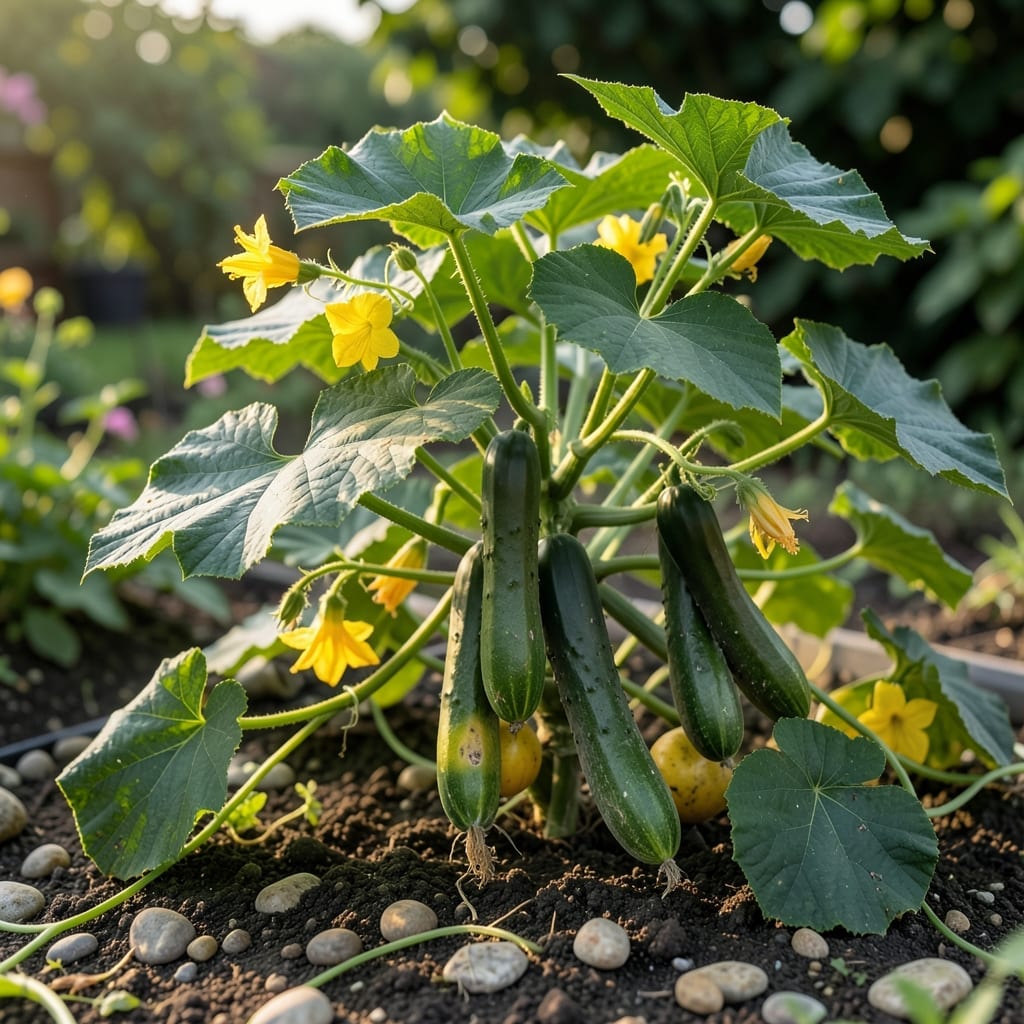
That first yellow spot on your cucumber leaves always hits hard. I’ve watched healthy vines turn patchy overnight, and the fix is simpler than you’d expect.
This variety thrives with consistent moisture and rich soil, but even perfect care won’t stop issues if you miss the early signs. The key is catching changes before they spread.
Within 2-3 weeks of the right adjustments, new growth returns vibrant green and strong. The plants bounce back faster than you’d think.
Works for garden beds, containers, or raised plots. Here’s the straightforward approach I use every season.
Understanding why your cucumbers develop yellow ball symptoms starts with identifying the underlying triggers. Here are the most common causes, explained scientifically:
A deficiency in nitrogen or potassium can lead to yellowing and stunted growth. Nitrogen supports leaf and stem development, while potassium aids in fruit formation. Without them, cucumbers may produce small, discolored fruit. A soil test can confirm imbalances—aim for a pH of 6.0–6.8 for optimal uptake.
Excess moisture suffocates roots, reducing oxygen flow and nutrient absorption. This stress manifests as yellowing fruit or ball-shaped deformities. Ensure your soil is well-draining, and water only when the top inch of soil feels dry.
Pests like aphids or cucumber beetles transmit viruses (e.g., Cucumber Mosaic Virus), which disrupt cell development, causing misshapen, yellow fruit. Fungal infections (e.g., powdery mildew) also weaken plants. Use row covers early and apply neem oil preventatively.
Extreme heat (above 90°F) or cold snaps can halt pollination, leading to incomplete fruit development. Yellow ball cucumbers often result from failed fertilization. Provide shade cloth during heatwaves and avoid planting too early in cool climates.
Addressing these root causes restores healthy growth and fruit shape.
When your cucumber plants develop yellow, ball-like growths, it’s usually a sign of stress or disease. Below are the most common causes and their practical fixes, along with prevention tips to keep your garden thriving.
If bees are scarce, cucumbers may not pollinate properly, leading to misshapen, yellow growths. Fix: Use a small paintbrush to gently transfer pollen from male to female flowers in the morning. Look for flowers with a tiny cucumber at the base—those are the females!
Prevention: Plant pollinator-friendly flowers nearby (like marigolds or sunflowers) to attract bees naturally. 🌼
Too much water or soggy soil can cause root rot, stunting growth and turning fruits yellow. Fix: Let the top inch of soil dry out between waterings. If drainage is bad, amend the soil with compost or sand.
Prevention: Use raised beds or containers if your soil retains too much moisture. A moisture meter can help track soil conditions. 💡
A lack of nitrogen, potassium, or magnesium can lead to yellowing and deformed cucumbers. Fix: Apply a balanced organic fertilizer (like 10-10-10) or a compost tea. For quick results, use a foliar spray with seaweed extract.
Prevention: Test your soil annually and rotate crops to avoid depleting nutrients. ✨
Diseases like powdery mildew or bacterial wilt can cause yellowing and stunted growth. Fix: Remove affected leaves or fruits immediately. Spray with a copper fungicide or a DIY mix of baking soda and water (1 tsp per quart) weekly.
Prevention: Space plants properly for airflow, and avoid wetting the leaves when watering. Aim for early morning watering to let foliage dry quickly. 🌿
With these fixes, your cucumbers should return to their healthy, green selves in no time!
Look for wilting despite wet soil or yellowing leaves. Root rot often causes a foul smell from the soil. Reduce watering immediately if you see these signs.
Plant bee-friendly flowers nearby and avoid pesticides. Hand-pollinate with a brush on dry mornings when flowers are open. One brush can service an entire garden.
Yes, if the issue is poor pollination. They’ll be seedless and small but safe. Avoid eating if caused by disease or chemical treatments. Always wash thoroughly first.
With proper fixes, new growth should appear vibrant within 7-14 days. Existing affected fruit won’t recover, but new cucumbers will form normally.