
Beautiful Plants For Your Interior
Beautiful Plants For Your Interior
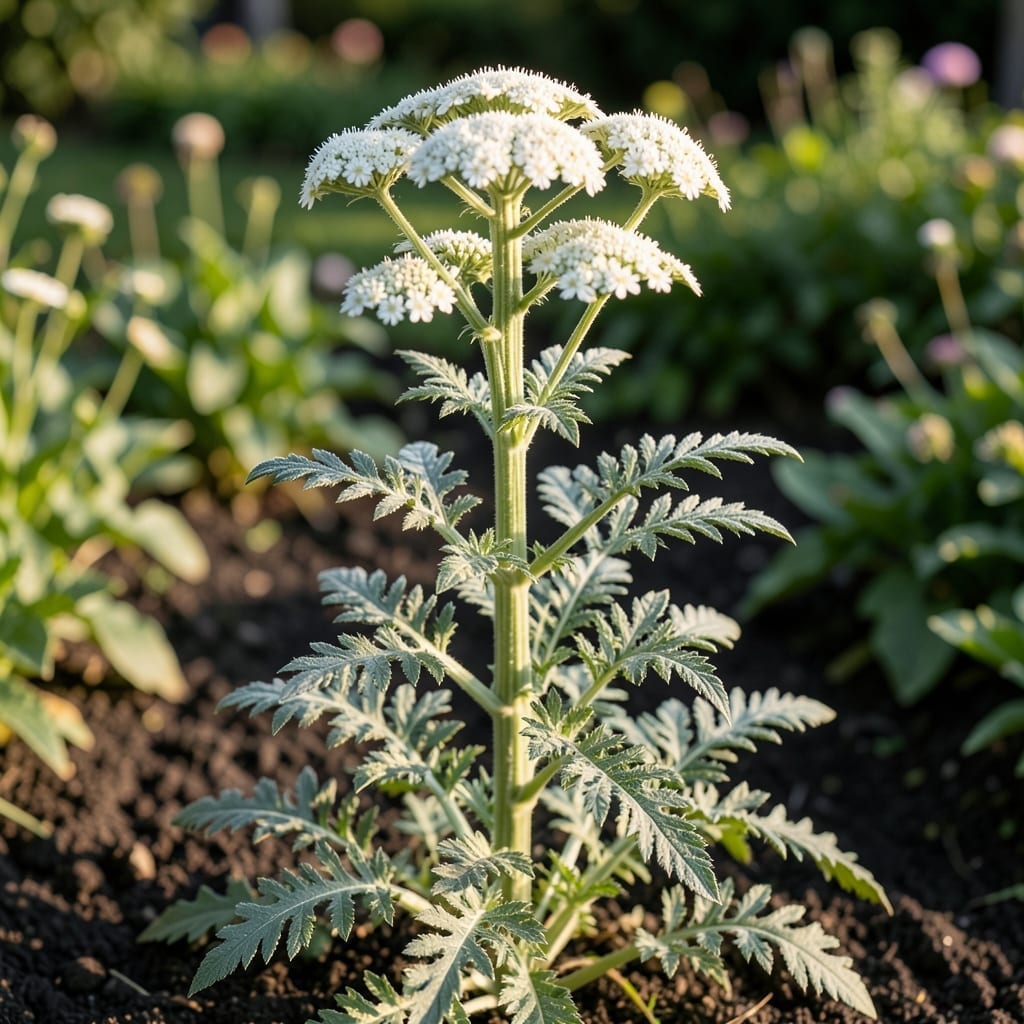
I can spot yarrow a mile away now, but it wasn’t always this easy. The leaves are the giveaway—fern-like and feathery, with a texture that feels almost lacey between your fingers.
Each leaf is made up of tiny, needle-like segments arranged in a flat, spreading pattern. They grow in a spiral up the stem, creating a look that’s unmistakable once you know what to look for. The color ranges from deep green to silvery-gray.
What really sets yarrow apart is its scent—crushing a leaf releases a sharp, medicinal aroma that lingers. It’s a detail most guides skip, but it’s a game-changer for confirmation.
Even in a crowded meadow, yarrow stands out. The foliage stays low to the ground, forming dense mats that seem to glow in the sunlight.
Yarrow leaves can be tricky to identify, especially for beginners. Several factors contribute to the confusion, often leading to misidentification. Below are the most common causes, explained with clarity and actionable insights.
Many plants share similar leaf structures with yarrow (Achillea millefolium). Species like queen anne’s lace (Daucus carota) or wild carrot have finely divided, fern-like foliage that mimics yarrow’s appearance. The key difference lies in the scent: crushed yarrow leaves emit a distinct aromatic, slightly camphor-like fragrance, while look-alikes often smell earthy or carrot-like. Always crush a leaf and inhale to confirm.
Yarrow’s leaves change dramatically as the plant matures. Young leaves are softer, less lobed, and more rounded, resembling other herbaceous plants. Mature leaves develop the classic feathery, deeply divided lobes with a rough texture. If you’re examining a juvenile plant, check the stem: yarrow stems are hairy and upright, even in early stages, which helps distinguish them from smoother imposters.
Yarrow thrives in diverse conditions, and its leaves adapt accordingly. In dry, sunny areas, leaves may appear smaller, thicker, and more silver-green due to reduced water availability. In shady or moist environments, they grow larger, softer, and darker green. These variations can mask its typical features. Observe the habitat: yarrow often grows in disturbed soils, meadows, or roadsides, which can be a clue.
Cultivated yarrow varieties (e.g., Achillea millefolium ‘Paprika’ or ‘Red Velvet’) may have broader leaves or unusual colors (purple, red, or gold). These hybrids can deviate from the wild type’s classic fern-like foliage. If you suspect a cultivar, examine the flowers: yarrow’s characteristic flat-topped, clustered blooms (usually white or pink) are a dead giveaway, even if the leaves look atypical.
If you’re struggling to tell yarrow apart from look-alikes, these practical solutions will sharpen your eye and boost your confidence. Here’s how to solve common identification challenges:
Fix: Focus on the fine details. Yarrow leaves are fern-like, with a feathery, lacy appearance, and grow in an alternating pattern along the stem. Use a hand lens to spot the tiny, hair-like divisions—this is a dead giveaway. Compare side-by-side with similar plants like queen anne’s lace (which has broader, less divided leaves).
Prevention tip: 💡 Always check multiple leaves on the plant, not just one. Variations can occur, but the overall pattern stays consistent.
Fix: Observe the stem and height. Yarrow grows 1–3 feet tall with a sturdy, upright stem that’s often hairy. The leaves cluster near the base and become smaller as they ascend. If the plant is sprawling or has a smooth stem, it’s likely not yarrow.
Prevention tip: ✨ Snap a photo of the entire plant (not just the leaves) and compare it to verified yarrow images in a field guide or app.
Fix: Yarrow leaves are typically dark green on top and slightly lighter underneath, but they can appear silvery or grayish in dry conditions. If the leaves are purple-tinged or variegated, it’s probably a different species. crush a leaf—yarrow has a faint, aromatic scent, unlike many impostors.
Prevention tip: 🎯 Cross-check with the flower heads (if present). Yarrow’s tiny white or pink flowers grow in flat-topped clusters, a hallmark of the plant.
With these targeted checks, you’ll master yarrow leaf identification in no time!
They have a feathery, fern-like appearance with tiny, needle-like segments. The texture feels almost lacey, and they grow in a spiral pattern up the stem.
Crush a leaf—yarrow releases a sharp, medicinal aroma. Queen Anne’s lace and wild carrot have similar foliage but smell earthy or carrot-like instead.
Yes! Young leaves are softer and less divided, while mature ones develop deep lobes. Always check the hairy, upright stem for confirmation.
They range from deep green to silvery-gray. In dry conditions, they may appear more muted, but the feathery structure stays consistent.