
Beautiful Plants For Your Interior
Beautiful Plants For Your Interior
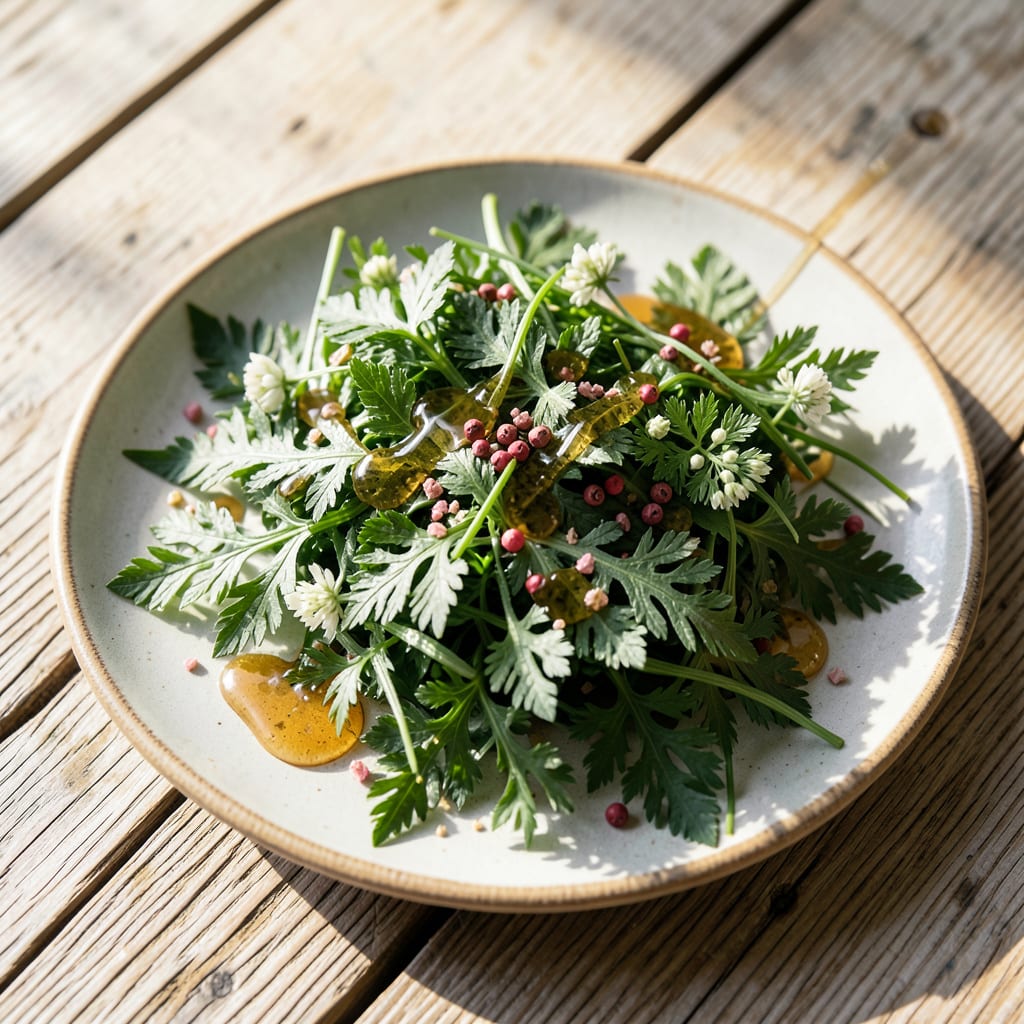
Queen Anne’s Lace leaves are the fine, fern-like foliage that often gets overlooked. I spent years mistaking it for poison hemlock until I noticed the hairy stems and that signature flat-topped bloom.
The leaves form a delicate, lacy pattern that’s soft to touch and offers a carrot-like scent when crushed. In gardens, it thrives in full sun and well-drained soil with minimal care, spreading freely where it’s happy.
📚 In This Guide
Here’s the precise method I use to distinguish this wild edible from dangerous lookalikes with confidence.
Queen Anne’s lace thrives in disturbed areas like roadsides, meadows, and field edges. I always begin identification by confirming the plant’s location matches its preferred open, sunny environment. The plant typically grows 2-4 feet tall with a single, hairy stem that feels slightly rough to the touch.
This contextual check eliminates many imposters immediately. True Queen Anne’s lace rarely grows in dense woodland shade or wet marsh areas, which are more common habitats for toxic mimics like water hemlock.
The leaves are the most distinctive feature for safe identification. Look for fern-like, finely divided foliage that appears lacy. Each compound leaf consists of multiple bipinnate divisions—small leaflets arranged on either side of a central stem, which are themselves divided into smaller leaflets.
The leaves grow alternately along the main stem, not in pairs or whorls. The texture is slightly hairy, and the color is a deep, matte green. Crushed leaves emit a faint carrot-like aroma, a key sensory checkpoint for this species.
While focusing on leaves, cross-check with the flower structure. The classic flat-topped white umbel (often with a single dark red flower in the center) appears in late spring to early fall. The stem is hollow and covered in fine hairs, another distinguishing feature.
Important: Never rely on flowers alone for identification. Some toxic plants like poison hemlock have similar umbel shapes. The combination of leaf structure, stem texture, and habitat provides the safest identification.
Here’s the moment that matters: crush a small leaf between your fingers. Queen Anne’s lace leaves release a distinct carrot-like scent that’s immediately recognizable. This aromatic quality comes from the same family (Apiaceae) as cultivated carrots.
If there’s no scent or it smells unpleasant, do not consume. I’ve found that toxic lookalikes either lack this aroma or produce a foul, musky smell. The scent test, combined with the visual checks, creates a fail-safe identification system.
Queen Anne’s lace follows a predictable growth cycle. In its first year, it produces only a basal rosette of leaves. The fern-like foliage appears in early spring, with the flower stalk emerging in the second year. This biennial pattern helps distinguish it from annual imposters.
I always check the plant’s maturity stage against the season. Finding a tall, flowering plant in its first spring means it’s not Queen Anne’s lace. This temporal understanding prevents misidentification during different growth phases.
These observations will sharpen your ability to identify this plant accurately and safely.
The Habitat Check: Confession: I skipped this step for years and wondered why I kept misidentifying plants. Always start with Step 1’s habitat confirmation—Queen Anne’s lace will never grow in dense shade or wet areas. That single check eliminates most toxic lookalikes immediately.
Leaf Structure Nuance: In Step 2, pay special attention to the bipinnate divisions. Many toxic mimics have simple or once-divided leaves. True Queen Anne’s lace has that signature lacy appearance with leaflets arranged on both sides of a central stem, each of those leaflets further divided.
Sensory Verification: Don’t underestimate Step 4’s smell test. The carrot-like aroma is the most reliable indicator I’ve found. I’ve encountered plants that looked identical but lacked this scent—always walk away from those. The combination of visual and olfactory checks creates an unbreakable identification system.
Seasonal Awareness: Step 5’s growth pattern check prevents dangerous mistakes. Remember that first-year plants only show a basal rosette, while second-year plants produce the tall flowering stalk. Finding a flowering plant in early spring means it’s definitely not Queen Anne’s lace.
Yes, the leaves are edible and taste similar to carrots, as they belong to the same family. However, always ensure proper identification to avoid confusion with poisonous look-alikes like poison hemlock.
The best time to harvest is in early spring or summer when the leaves are young and tender. Avoid mature plants, as the leaves can become tough and bitter.
Look for fine, fern-like leaves with a carrot-like scent and a single red flower in the center of the white umbel. Poison hemlock has smooth, purple-spotted stems and a musty smell.
Wild carrots, yarrow, or even cultivated carrots can be substitutes. Always confirm edibility and avoid toxic mimics.
Older leaves or those harvested after flowering can turn bitter. Stick to young leaves and harvest before the plant blooms for the best flavor.
