
Beautiful Plants For Your Interior
Beautiful Plants For Your Interior
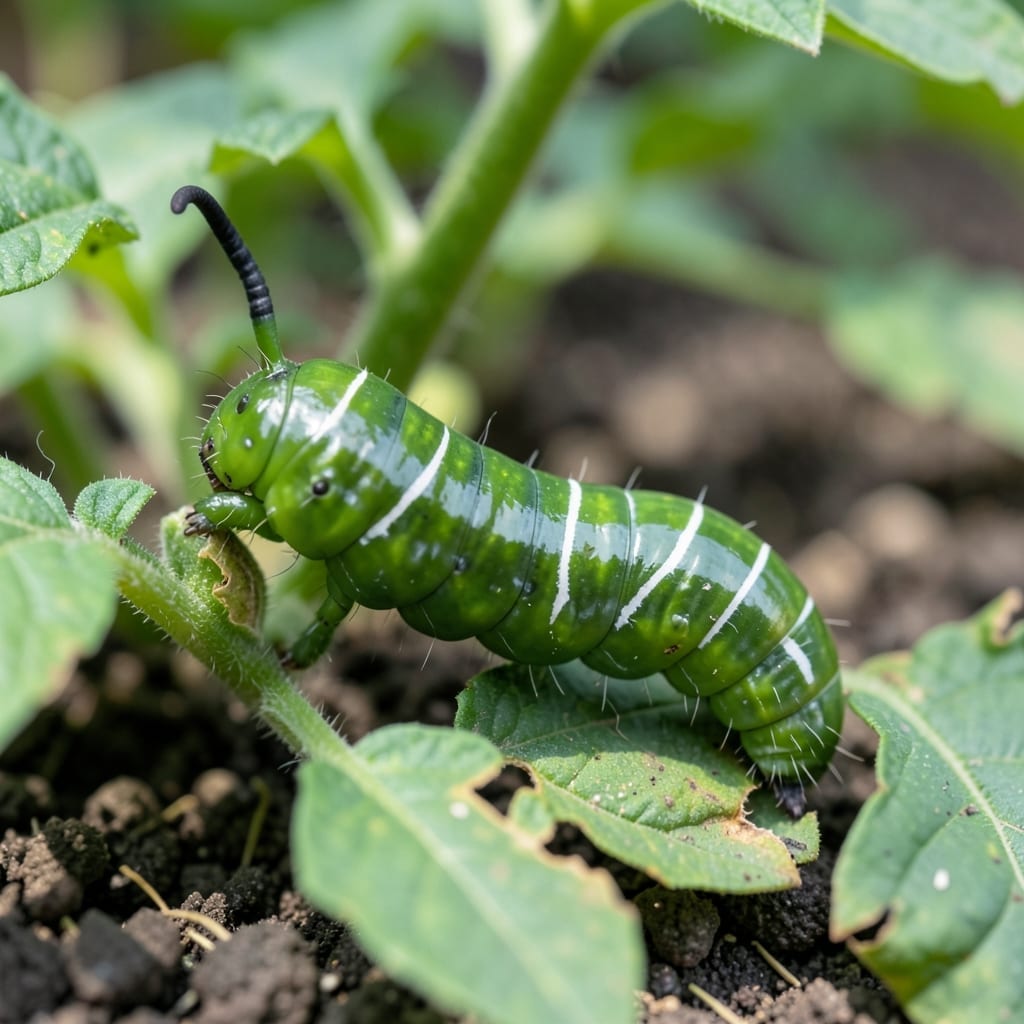
I lost half my lettuce to leaf-eating worms last spring. 🌱 These pests can turn thriving plants into lace overnight, but the damage is preventable with the right approach.
Identifying the culprits early makes all the difference—cutworms sever stems at soil level, while cabbage loopers chew holes in leaves. The first sign is usually irregular edges on foliage or missing sections entirely.
Natural solutions like beneficial nematodes and Bt spray work wonders without chemicals. I’ve kept my garden worm-free for two seasons now using just these methods.
Regular inspection and crop rotation break the pest cycle. Healthy soil and proper spacing reduce the chances these plant-eaters will take hold in the first place.
Plant-eating worms, often the larval stage of moths, beetles, or sawflies, thrive in gardens due to several environmental and biological factors. Understanding these causes helps you take targeted action to protect your plants.
Many worm species are specialists, meaning they target specific plant families. For example, cabbage loopers (Trichoplusia ni) gravitate toward brassicas like kale and broccoli. If your garden has dense plantings of their preferred hosts, it creates an all-you-can-eat buffet, encouraging infestations. Action: Diversify plant types to disrupt their food supply.
Warm, moist weather accelerates worm reproduction. Moths lay more eggs in humid climates, and larvae grow faster with abundant rainfall. Drought-stressed plants also emit chemicals that attract certain pests. Action: Monitor weather forecasts and use row covers during peak laying seasons (typically spring and early summer).
Beneficial insects like parasitic wasps, ground beetles, and birds keep worm populations in check. Overuse of broad-spectrum pesticides can wipe out these allies, leading to unchecked worm outbreaks. Action: Plant native flowers to attract predators and avoid chemical sprays unless absolutely necessary.
Fallen leaves, crop residues, and weeds provide shelter for eggs and pupae to overwinter. Tomato hornworms, for instance, burrow into soil to pupate and re-emerge as moths. Action: Clear garden debris after harvest and till the soil to expose hidden pupae to predators and harsh conditions.
Dealing with plant-eating worms doesn’t have to be a losing battle. Here’s how to tackle each common cause with simple, effective fixes.
Soggy soil attracts moisture-loving worms. Fix it by amending garden beds with compost or sand to boost drainage. Use raised beds if your soil stays waterlogged. Prevention tip: Water only when the top inch of soil is dry—early morning is best to let excess moisture evaporate.
Rotting leaves and mulch create a buffet for worms. Fix it by clearing fallen leaves, fruit, and dead plants weekly. Switch to inorganic mulches like gravel near vulnerable plants. Prevention tip: 💡 Keep garden beds tidy and rotate crops yearly to disrupt worm life cycles.
Weak soil invites pests. Fix it by adding organic matter like compost or well-rotted manure to improve soil structure and beneficial microbes. Introduce nematode predators (e.g., Steinernema) for natural control. Prevention tip: Test soil pH annually—most plants thrive in slightly acidic to neutral soil (6.0–7.0).
Birds, beetles, and parasitic wasps keep worm populations in check. Fix it by planting pollinator-friendly flowers (e.g., marigolds, alyssum) and installing birdhouses. Avoid broad-spectrum pesticides that harm helpers. Prevention tip: ✨ Leave some leaf litter in fall—it shelters predator insects over winter.
Consistency is key. Combine these fixes with regular garden inspections to catch issues early and keep your plants worm-free!
Check for chewed leaves with irregular edges or holes. Cutworms leave severed stems at soil level, while cabbage loopers create ragged leaf damage. Look under leaves for green caterpillars or in soil for white grubs.
Handpick visible worms early morning or evening when they’re active. Drop them in soapy water. For severe infestations, apply Bt spray (Bacillus thuringiensis) which targets only caterpillars.
Yes! Marigolds, garlic, and mint deter many worm species. Interplant these with vulnerable crops. Companion planting also confuses pests with mixed scents.
Not necessarily. Most target specific plant families. Isolate affected plants and remove worms promptly to prevent spread. Rotate crops yearly to break pest cycles.