
Beautiful Plants For Your Interior
Beautiful Plants For Your Interior
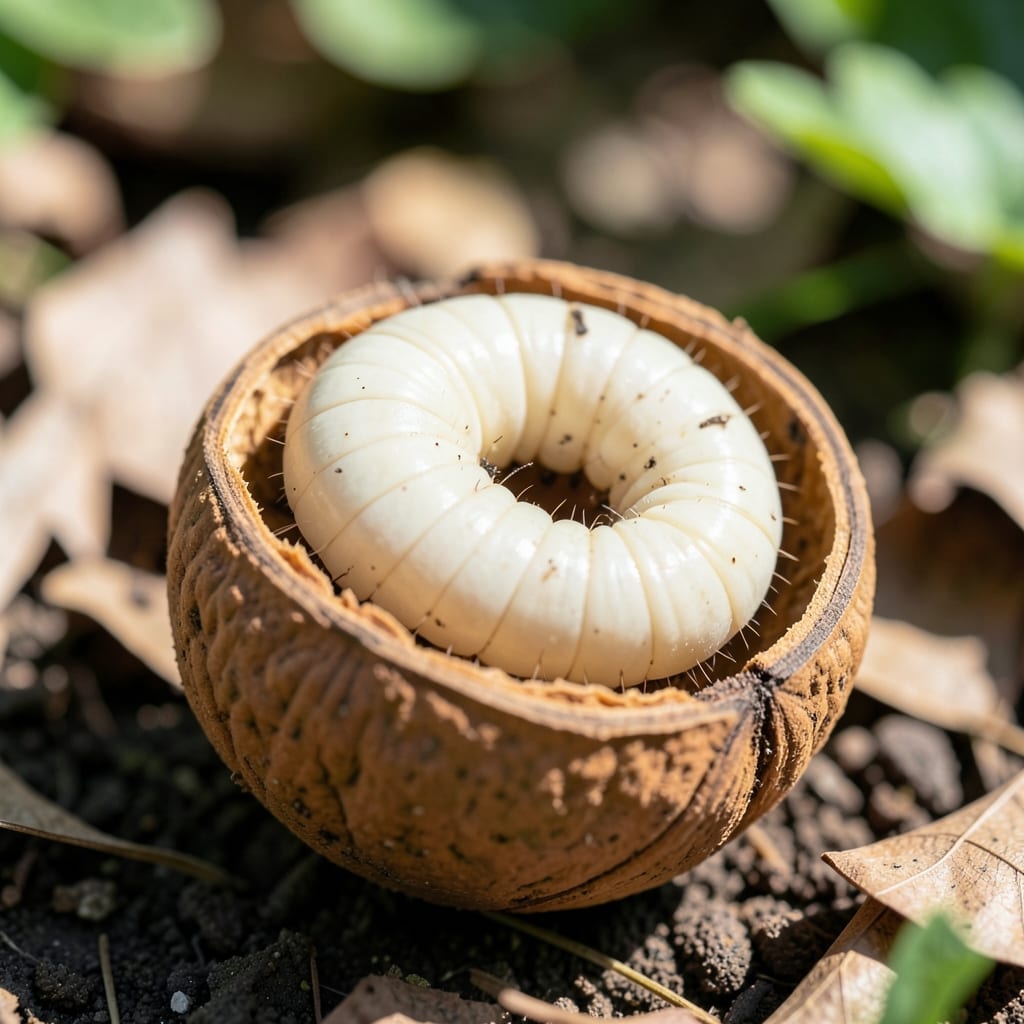
Nothing kills the joy of a hickory harvest like cracking open a nut to find it riddled with worms. I’ve lost entire seasons of nuts to these pests before learning how to stop them in their tracks.
The infestation starts with adult weevils laying eggs in developing nuts. Early detection is key—look for small holes or sawdust-like frass around the hull. The larvae tunnel inside, ruining the meat before you even realize there’s a problem.
Prevention begins with timing and cleanliness. Gather nuts as soon as they fall, remove all husks, and store them in a cool, dry place. A little vigilance saves months of frustration.
Healthy trees resist pests better, so proper care makes all the difference. Here’s how to keep your hickory nuts worm-free from the start.
Understanding why worms appear in hickory nuts starts with recognizing the natural life cycle of pests and environmental conditions that favor infestation. Below are the primary causes, explained with actionable insights.
Many worms in hickory nuts are the larvae of hickory nut weevils (Curculio spp.) or filbertworms (Cydia latiferreana). Adult females lay eggs on or near developing nuts in early summer. The eggs hatch into larvae, which bore into the nuts to feed on the kernel. This process is a natural part of their life cycle, and without intervention, the larvae will mature inside the nut, often going unnoticed until harvest.
Hickory trees that drop nuts prematurely or have nuts left on the ground provide an ideal breeding ground for pests. Fallen nuts can harbor overwintering larvae, which emerge as adults the following season to repeat the cycle. Removing and destroying fallen nuts (by burying, burning, or bagging them) disrupts this process and reduces future infestations.
Warm temperatures (75–85°F) and high humidity accelerate the development of worm larvae. These conditions soften the nut shells, making it easier for pests to penetrate. In regions with prolonged warm, wet summers, hickory nuts are especially vulnerable. Monitoring weather patterns and taking preventive measures during these periods can help mitigate the risk.
In balanced ecosystems, predators like birds, parasitic wasps, and ground beetles keep pest populations in check. However, in gardens or orchards with limited biodiversity, these natural controls may be absent. Encouraging beneficial insects and maintaining a diverse habitat can help restore this balance and reduce worm infestations organically.
Dealing with worms in hickory nuts can be frustrating, but there are practical ways to address and prevent the issue. Below are targeted solutions based on the most common causes.
If fallen hickory nuts are infested, remove them immediately from your yard. Gather them in a sealed bag and dispose of them in the trash or burn them. This prevents the larvae from maturing and spreading. Prevention tip: Rake up nuts regularly during the harvest season to deny pests a breeding ground. 💡
Worms often enter through cracks or wounds in the tree bark. Apply a tree wound dressing or horticultural sealant to damaged areas to block entry points. For larger wounds, prune the affected branches cleanly and treat the cuts. Prevention tip: Inspect your hickory tree annually for signs of damage and address them early. ✨
If you suspect worms are already inside the nuts but haven’t fully developed, apply beneficial nematodes to the soil around the tree. These microscopic organisms target and kill larvae before they can cause harm. Follow the package instructions for timing and application rates. Prevention tip: Treat the soil in early spring before the growing season begins. 🎯
If you’ve harvested hickory nuts but are worried about hidden worms, freeze them at 0°F (-18°C) for at least 72 hours or heat-treat them in an oven at 140°F (60°C) for 30-60 minutes. Both methods kill any larvae or eggs present. Prevention tip: Store nuts in airtight containers in a cool, dry place to deter pests. 🌡️
By taking these steps, you can eliminate existing worms and protect future harvests. Consistency is key—stay vigilant with inspection and maintenance!
Look for small holes in the shell or sawdust-like frass around the hull. Shake the nut—you may hear larvae moving inside. Crack a few open to check for tunnels or grubs.
Apply preventive measures in early summer when adult weevils lay eggs. For existing infestations, treat soil with nematodes in early spring or freeze harvested nuts immediately.
They’re not toxic but can be unappetizing. Cooking or freezing nuts at 0°F (-18°C) for 72 hours kills larvae. Always inspect before consuming.
Yes! Remove fallen nuts, seal bark damage, and encourage natural predators like birds. Consistent care restores tree health and reduces future pests.