
Beautiful Plants For Your Interior
Beautiful Plants For Your Interior
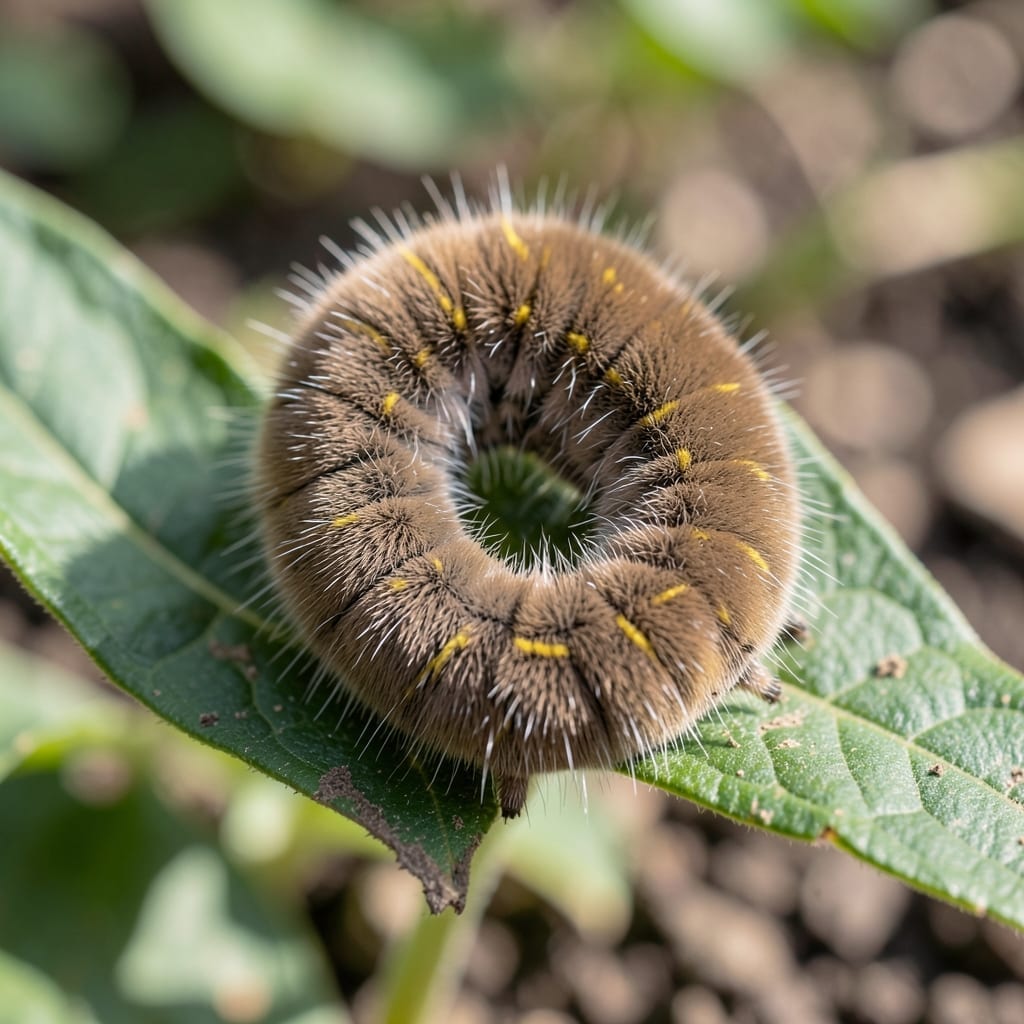
That squiggly thing eating your plants isn’t always a worm. Some of the worst garden pests look like fat caterpillars, smooth grubs, or even tiny segmented invaders hiding in the soil.
I’ve lost entire rows of seedlings overnight to cutworms and watched tomato leaves disappear thanks to hornworms. The fix starts with knowing exactly what you’re dealing with—leaf damage, stem cuts, or root feeding tell different stories.
Organic solutions like BT spray or neem oil work fast once you’ve identified the culprit. For serious infestations, targeted chemical controls can save your season without harming beneficial insects.
This guide helps you match the pest to the damage and pick the right treatment. No more guessing games.
Understanding why worm-like insects appear in your garden can help you prevent and address infestations effectively. These pests often emerge due to specific environmental or biological factors. Below are the most common causes:
Excess moisture in soil creates an ideal breeding ground for worm-looking bugs like fungus gnat larvae or cutworms. Saturated soil lacks oxygen, encouraging eggs to hatch and larvae to thrive. Ensure your garden has proper drainage and avoid overwatering to discourage their presence.
Decaying leaves, mulch, or compost piles attract insects that resemble worms, such as armyworms or caterpillars. These pests feed on decomposing material and nearby plants. Regularly clear garden debris and practice clean composting to minimize their appeal.
Many worm-like pests, including loopers and maggots, thrive in warm, humid climates. High temperatures accelerate their life cycles, leading to rapid infestations. Use row covers or shade cloths during peak heat to deter them.
By addressing these triggers, you can reduce the likelihood of encountering these garden invaders.
Dealing with worm-like pests in your garden can be frustrating, but these targeted solutions will help you reclaim healthy plants. Below are practical fixes for common causes, along with prevention tips to keep them from returning.
If soggy soil is attracting pests, let the top inch of soil dry out between waterings. Fix: Amend the soil with compost or perlite to improve drainage. Use raised beds if your garden stays waterlogged. Prevent: Water early in the day to allow excess moisture to evaporate.
Fungi like slugs and some larvae thrive in damp, shaded areas. Fix: Spray affected plants with a mix of 1 tsp baking soda + 1 quart water + a drop of dish soap. Remove heavily infested leaves. Prevent: Thin out dense foliage to improve airflow and reduce humidity.
For visible worm-like bugs (e.g., cutworms or armyworms), handpick them off plants in the early morning or evening. Fix: Apply neem oil or diatomaceous earth around the base of plants. Prevent: Rotate crops yearly and remove plant debris after harvest to eliminate breeding grounds.
Weak plants attract pests more easily. Fix: Test your soil and amend it with organic matter or a balanced fertilizer. Prevent: Maintain consistent feeding schedules—healthy plants resist pests better!
💡 Pro Tip: Introduce beneficial insects like ladybugs or lacewings to naturally control pest populations. A diverse garden ecosystem is your best defense!
Caterpillars have distinct heads, legs, and often bright colors or patterns. Grubs are white, C-shaped, and legless, found in soil. Check under leaves for caterpillars and dig near roots for grubs.
Handpick visible pests in the early morning or evening. For soil-dwellers, apply beneficial nematodes or diatomaceous earth. These methods work within 24-48 hours.
Yes! Rotate crops yearly, remove plant debris, and use row covers. Encourage natural predators like birds or ladybugs by planting native flowers.
They thrive in moist, undisturbed soil with organic debris. Reduce watering, till the soil regularly, and clear decaying leaves to break their life cycle.