
Beautiful Plants For Your Interior
Beautiful Plants For Your Interior
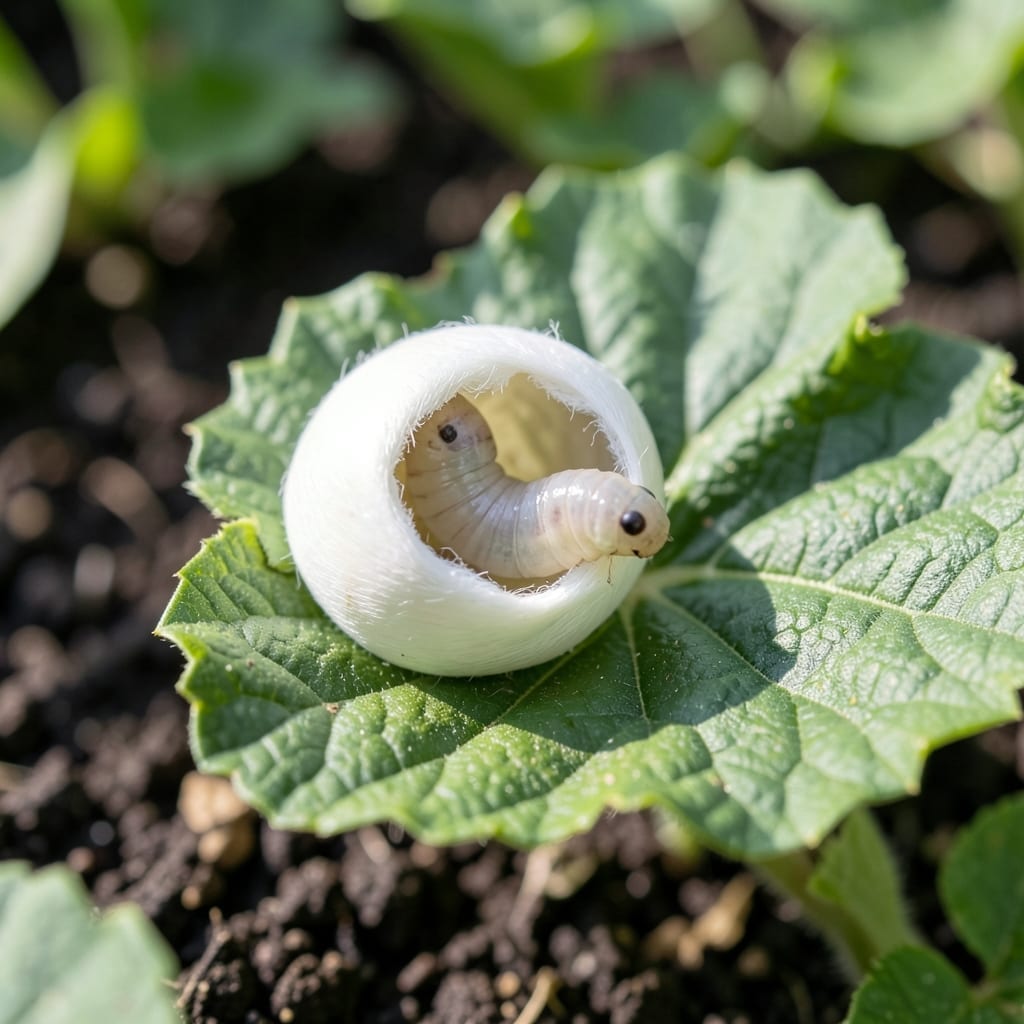
Tiny golden cocoons in your worm bin mean new life is coming. 🌱 I’ve watched hundreds hatch, and the process never fails to amaze—each one holds up to 3-5 baby worms ready to boost your compost.
The key is patience and the right conditions. Keep the bed moist like a wrung-out sponge and at room temperature. Too dry or cold, and they’ll stall; too wet, and they’ll drown. Simple, but critical.
Within 2-3 weeks, you’ll spot tiny white threads—that’s your first sign of hatching. Soon after, the babies emerge, hungry and ready to work, turning scraps into rich, dark castings.
This is how you multiply your worm workforce naturally. No special tools, just a little attention and the right environment.
Understanding why worm cocoons hatch is key to fostering healthy worm populations in your garden or compost. Several natural triggers initiate the hatching process, ensuring the survival and growth of the next generation of worms.
Worm cocoons are highly sensitive to temperature. They typically hatch when soil temperatures rise to 60–80°F (15–27°C). This range signals optimal conditions for larval survival, as extreme heat or cold can inhibit development or even kill the embryos inside.
Moisture is another critical factor. Cocoons require consistent humidity to soften their outer shells, allowing the baby worms to emerge. Dry conditions delay hatching, while oversaturation can drown the larvae. Aim for soil moisture levels similar to a wrung-out sponge for best results.
A nutrient-dense environment encourages hatching by providing the energy and resources newborn worms need. Cocoons are more likely to hatch in compost or soil rich in organic matter, as the larvae can immediately begin feeding on decaying plant material.
Finally, worm cocoons have a natural incubation period, typically 2–4 weeks, depending on species and conditions. Even with perfect temperature and moisture, they won’t hatch prematurely—nature ensures they develop fully before emerging.
If your worm cocoons aren’t hatching as expected, these targeted solutions can help. Start by identifying the underlying cause and apply the corresponding fix.
Worm cocoons thrive in 55–77°F (13–25°C). If temperatures drop below 50°F (10°C) or spike above 85°F (29°C), hatching stalls or fails. Move your bin to a cooler or warmer spot—a basement, garage, or shaded outdoor area works well. Use a thermometer to monitor conditions daily. For extreme cold, insulate the bin with bubble wrap or straw.
Prevention tip: 💡 Avoid placing bins near heaters, direct sunlight, or drafty windows.
Cocoons need consistent moisture—like a wrung-out sponge. If the bedding is too dry, cocoons desiccate; if too wet, they drown or rot. Spritz with water if dry, or add dry shredded paper/cardboard if soggy. Aim for 60–70% moisture.
Prevention tip: 🎯 Cover the bin with a breathable lid (e.g., burlap) to retain humidity without waterlogging.
Cocoons need high-quality organic matter to develop. If your worms lack nutrients, cocoons may not hatch. Feed them fruit/veggie scraps, coffee grounds, or crushed eggshells (for calcium). Avoid meat, dairy, or oily foods, which attract pests and create odors.
Prevention tip: ✨ Bury food under bedding to prevent fruit flies and maintain a balanced pH.
Ammonia or acidity from rotting food can kill cocoons. If you smell a strong, sour odor, add crushed limestone or garden lime (1 tbsp per sq ft) to neutralize pH. Stop feeding for 3–5 days to let the bin recover.
Prevention tip: 🌱 Always mix fresh scraps with carbon-rich materials (e.g., leaves, straw) to prevent buildup.
Most cocoons hatch within 2-4 weeks under ideal conditions. Temperature and moisture play a big role, so keep your bin at 60–80°F with consistent humidity for the fastest results.
Newly hatched worms are tiny, nearly transparent, and thread-like. They’re only about 1/4 inch long but grow quickly once they start feeding on organic matter.
Avoid forcing it—nature sets the pace. However, maintaining stable warmth and moisture can encourage timely hatching. Never microwave or heat cocoons directly, as this will kill them.
Check for extreme temperatures, dry bedding, or toxic conditions like ammonia buildup. Adjust the environment to 55–77°F and ensure the bedding stays damp like a sponge.