
Beautiful Plants For Your Interior
Beautiful Plants For Your Interior
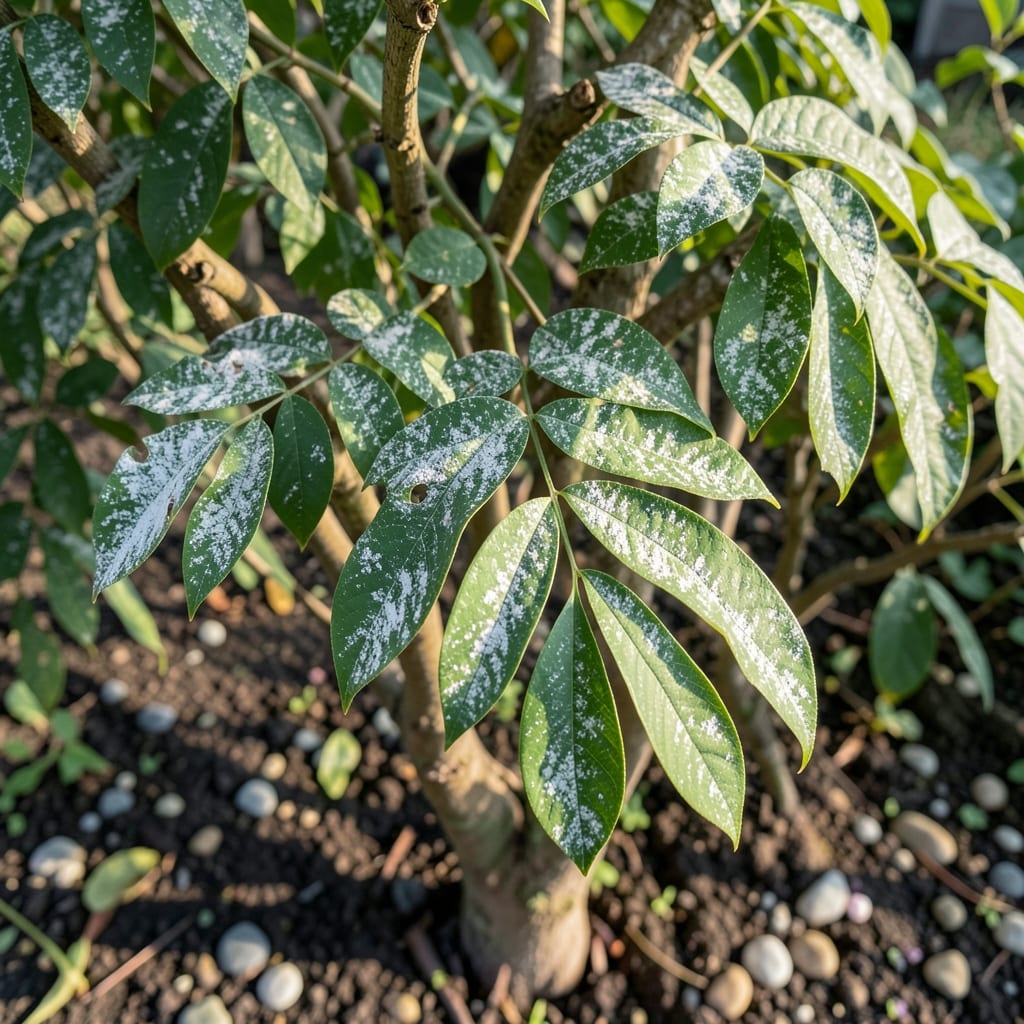
White powder on your wisteria leaves isn’t just ugly—it’s a warning sign. I spotted this on my own vines last summer and learned the hard way that early action prevents it from spreading to every leaf and bloom.
Powdery mildew thrives in humid conditions with poor air circulation, which is exactly what wisteria often gets in dense plantings. The good news is you can stop it without harsh chemicals using simple organic methods that work fast.
Within 48 hours of treatment, you’ll see the white coating start to fade. The leaves regain their deep green color, and new growth comes in clean and healthy. No more stunted blooms or weak vines.
This approach works for established plants and new growth alike. The key is catching it early and staying consistent with prevention.
Powdery mildew on wisteria thrives when conditions favor the pathogen Erysiphe or Podosphaera species. Below are the primary environmental and cultural causes that create the perfect breeding ground for this unsightly fungus.
Unlike many fungal diseases, powdery mildew doesn’t need wet leaves to spread—it prefers dry foliage with high humidity (70-90%). Warm days (70–85°F) followed by cool, dewy nights create ideal conditions. The fungus spores germinate and infect leaves when relative humidity is high, but free water (like rain) can actually suppress spore release.
Dense canopies or overcrowded plantings trap moisture and restrict airflow, allowing spores to settle and multiply. Wisteria trained on walls or fences with limited ventilation are especially vulnerable. Pruning to open the canopy disrupts the stale, humid microclimate that the fungus loves.
While powdery mildew doesn’t require water to infect, evening watering or misting leaves can prolong leaf surface moisture, indirectly boosting humidity. Water at the base of the plant in the morning to allow foliage to dry quickly under sunlight.
Over-fertilizing with nitrogen promotes lush, soft growth—tender new leaves are more susceptible to infection. Balanced fertilization (with adequate phosphorus and potassium) strengthens cell walls, making it harder for the fungus to penetrate.
Powdery mildew on wisteria can be frustrating, but these targeted solutions will help you restore your plant’s health and keep it thriving. Below, we map common causes to fixes, plus prevention tips to stop the fungus from returning.
Dense growth traps moisture, creating a playground for mildew. Thin out excess branches and leaves to let air circulate freely. Use sterile pruners to remove affected areas, and space wisteria plants at least 6–8 feet apart for better ventilation.
Prevention tip: 💡 Prune annually in late winter to maintain an open structure.
Powdery mildew thrives in damp conditions. Water at the base of the plant (not the leaves) and do so early in the day so foliage dries quickly. Avoid overhead sprinklers. If humidity is unavoidable (e.g., in humid climates), consider a fungicide spray like neem oil or potassium bicarbonate as a preventive measure.
Prevention tip: 🌡️ Use a moisture meter to monitor soil dampness—aim for the top inch to dry between waterings.
Shade encourages mildew growth. If your wisteria is in a dim spot, transplant it to a sunnier location with at least 6 hours of direct sunlight daily. For established plants, prune nearby trees or structures casting shadows.
Prevention tip: ✨ Rotate potted wisteria to ensure even sun exposure.
For active infections, apply organic treatments weekly until symptoms vanish:
Prevention tip: 🎯 Clean up fallen leaves and debris to remove spores before they spread.
With consistent care, your wisteria will shake off mildew and bloom beautifully again!
Under ideal conditions, powdery mildew can spread across a wisteria plant within 7-10 days. It starts as small white spots on leaves and can cover entire surfaces rapidly.
While it rarely kills mature plants, severe infections can weaken wisteria by reducing photosynthesis. Young plants are more vulnerable and may suffer stunted growth.
Yes, a diluted vinegar solution (1 tbsp white vinegar per gallon of water) can help. Apply weekly, but test on a small area first. Vinegar’s acidity creates an inhospitable environment for the fungus.