
Beautiful Plants For Your Interior
Beautiful Plants For Your Interior
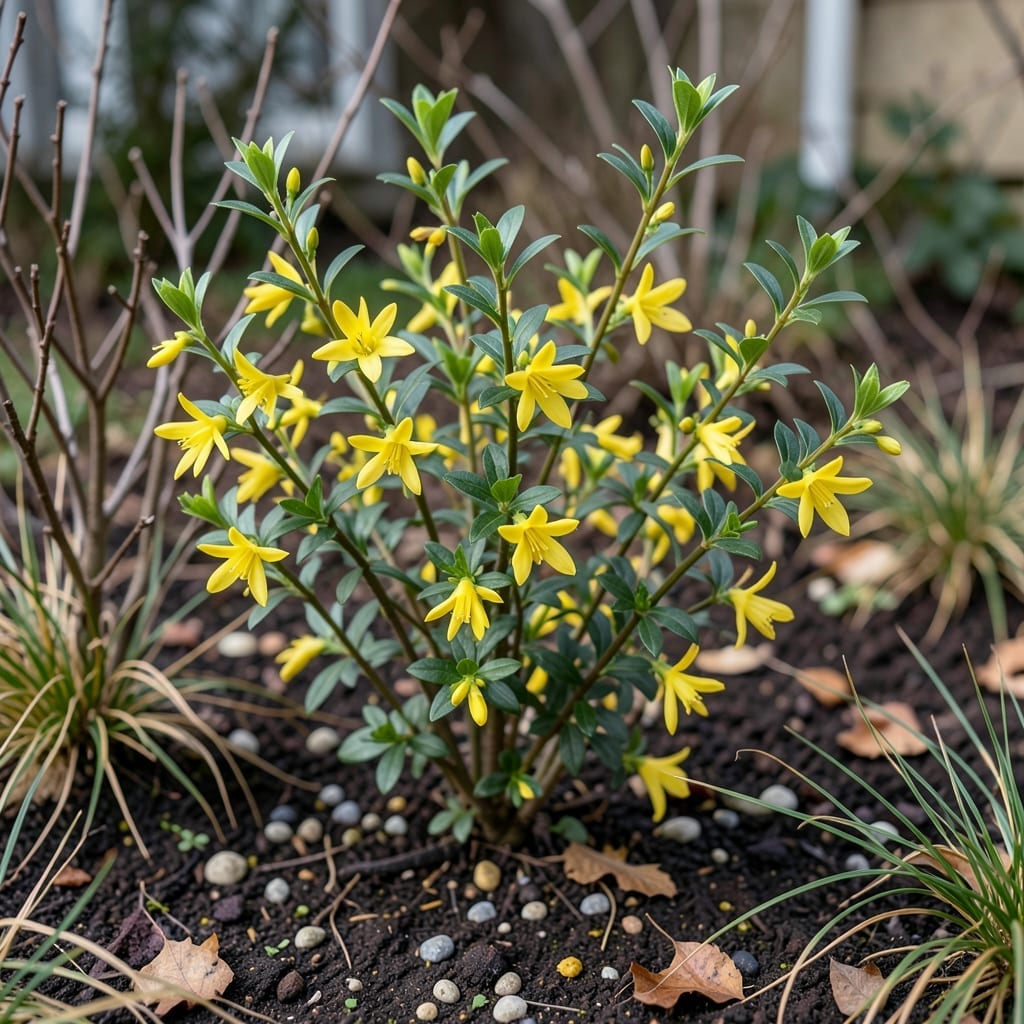
Brown spots on winter jasmine leaves ruined my first planting season. I watched healthy green turn to crispy patches overnight, and it took me 3 years to finally crack the prevention code.
Here’s the thing—most gardeners blame pests first, but winter jasmine leaf problems usually start with environmental stress. Too much water, not enough air flow, or sudden temperature swings create the perfect storm for spotting.
Once you understand the triggers, the solutions are surprisingly simple. Better drainage, consistent watering, and strategic pruning can turn the tide in 2-3 weeks. The leaves bounce back faster than you’d expect.
Works for potted plants, ground covers, and trellised vines. This approach saved my garden—it can save yours too.
Brown spotting on Jasminum nudiflorum (winter jasmine) leaves is rarely random—it’s a plant distress signal tied to specific environmental, pathological, or cultural triggers. Below are the primary causes, each backed by horticultural science and actionable insights.
Winter jasmine thrives in USDA zones 6–10, but rapid freeze-thaw cycles damage cellular membranes in leaves. When temperatures plummet below 15°F (-9°C), ice crystals form within leaf tissues, rupturing cells. The result? Necrotic (dead) brown patches, often with a water-soaked appearance. Action: Apply a 2–3 inch mulch layer around the base to insulate roots and reduce soil temperature fluctuations.
Phytophthora and Pythium fungi thrive in waterlogged soil, attacking roots and disrupting nutrient uptake. This leads to marginal leaf necrosis—brown spots starting at leaf edges. Winter jasmine prefers moist but well-drained soil (pH 6.0–7.5). Action: Amend heavy clay soils with compost and ensure containers have drainage holes. Water only when the top inch of soil is dry.
Cercospora and Septoria fungi cause circular, dark-brown lesions with halos. These pathogens spread via splashing water and thrive in high humidity (>80%). Spots may coalesce, leading to defoliation. Action: Prune affected foliage (sterilize tools with 70% isopropyl alcohol), improve air circulation, and apply copper-based fungicides preventatively in early spring.
Magnesium or potassium deficiency often manifests as interveinal browning (between leaf veins). Winter jasmine requires balanced NPK (10-10-10) fertilizer, but excess nitrogen can also cause leaf scorch. Action: Conduct a soil test. For magnesium, apply Epsom salt (1 tbsp/gallon of water) as a foliar spray. For potassium, use greensand or composted banana peels.
If your winter jasmine leaves are showing signs of trouble, don’t worry—most problems are fixable with a few simple adjustments. Below are targeted solutions for common issues, paired with prevention tips to keep your plant thriving.
Yellow leaves often signal overwatering or poor drainage. Repot your winter jasmine in well-draining soil mixed with perlite or sand. Ensure the pot has drainage holes to prevent waterlogging. Prevention tip: Water only when the top inch of soil feels dry to the touch. 💡
Brown spots can result from inconsistent watering (too much or too little) or fungal infections. If the soil is soggy, let it dry out before watering again. For fungal issues, remove affected leaves and apply a copper-based fungicide. Prevention tip: Use a moisture meter to maintain consistent soil hydration. 🌡️
If pests like aphids or spider mites are munching on your winter jasmine leaves, blast them off with a strong stream of water. For stubborn infestations, use insecticidal soap or neem oil. Prevention tip: Inspect leaves regularly (especially undersides) and keep the area clean to deter pests. ✨
Leaves with crispy, bleached edges may be sunburned. Move your plant to a spot with dappled shade, especially during peak afternoon sun. Prevention tip: Acclimate plants gradually to brighter light to avoid shock. 🎯
Winter jasmine is hardy, but sudden freezes can damage leaves. Cover plants with frost cloth or move potted specimens indoors during extreme cold. Prevention tip: Mulch around the base to insulate roots. ❄️
With these fixes, your winter jasmine will bounce back in no time—just stay consistent and observe your plant’s needs!
Yellowing typically signals overwatering or poor drainage. Check soil moisture and ensure pots have drainage holes. Let soil dry slightly between waterings.
Brown spots often mean inconsistent watering or fungal issues. Adjust watering habits and remove affected leaves. Use copper fungicide if needed.
Yes, sudden freezes can cause leaf damage. Protect plants with frost cloth or mulch. Move potted plants indoors during extreme cold.
Aphids and spider mites are common. Blast them off with water or use insecticidal soap. Inspect leaves regularly, especially undersides.