
Beautiful Plants For Your Interior
Beautiful Plants For Your Interior
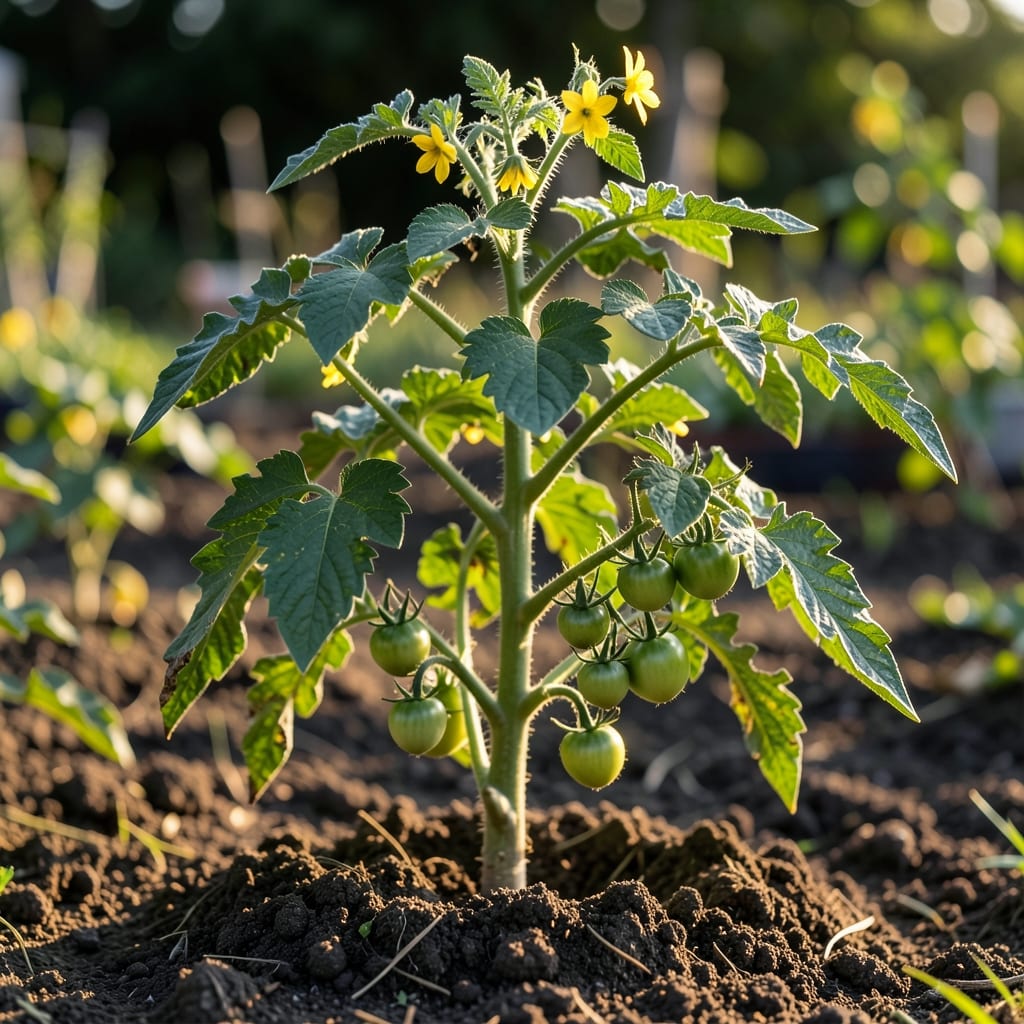
Nothing frustrates like watching healthy leaves suddenly droop overnight. I’ve lost count of how many plants I’ve saved by catching wilting early—before it spreads to the whole garden.
Most cases come down to 4 simple issues: too much water, not enough, hidden pests, or root trouble. The fix is usually faster than you think once you spot the real cause.
You’ll see leaves perk up within 24 hours of the right treatment. The key is learning which signs point to which problem before permanent damage sets in.
Works for houseplants, vegetables, and ornamentals alike. Here’s how to play plant detective.
Wilting leaves often signal distress in plants, and pinpointing the cause is key to revival. Here are the most common triggers, explained with actionable insights:
Excessive heat or drought disrupts a plant’s water balance. When soil moisture drops, roots struggle to absorb water, causing cells in leaves to lose turgor pressure. Fix it: Water deeply at dawn or dusk, and mulch to retain moisture.
Too much water suffocates roots, blocking oxygen uptake. Fungal pathogens like Phytophthora thrive in soggy soil, rotting roots and halting water transport. Fix it: Check soil drainage, reduce watering, and trim affected roots.
Sap-sucking pests (e.g., aphids, spider mites) pierce leaf tissues, draining fluids and introducing toxins. This weakens cells, leading to wilting. Fix it: Inspect undersides of leaves; use insecticidal soap or neem oil.
Pathogens like Verticillium or Fusarium clog vascular tissues, disrupting water flow. Leaves wilt even if soil is moist. Fix it: Remove infected parts, improve airflow, and apply fungicides preventatively.
Lack of potassium, magnesium, or nitrogen weakens cellular structure. Leaves may yellow first, then wilt. Fix it: Test soil; amend with balanced fertilizer or organic compost.
Wilting leaves can often be revived with the right care. Below are targeted solutions for common causes, along with prevention tips to keep your plants thriving.
If the soil is dry to the touch, your plant is likely thirsty. Give it a deep watering until water drains from the bottom of the pot. For garden plants, soak the soil around the base. Prevention tip: 💡 Check soil moisture regularly—stick your finger 1-2 inches into the soil. Water when the top layer feels dry.
Yellowing leaves and soggy soil signal overwatering. Stop watering immediately and let the soil dry out. If root rot is present, trim affected roots and repot in fresh, well-draining soil. Prevention tip: ✨ Use pots with drainage holes and a soil mix that includes perlite or sand to enhance airflow.
If wilting occurs during the hottest part of the day, move potted plants to a shaded area or use shade cloth for garden plants. Increase watering frequency temporarily. Prevention tip: 🌡️ Monitor weather forecasts and shield plants from extreme heat, especially during heatwaves.
Inspect leaves for pests like aphids or spider mites. Spray with neem oil or insecticidal soap for a natural fix, or use chemical pesticides for severe cases. Prevention tip: 🎯 Regularly wipe leaves with a damp cloth to remove pests and dust, which can attract insects.
Weak, discolored leaves may indicate a lack of nutrients. Use a balanced fertilizer and follow package instructions. Avoid over-fertilizing, which can burn roots. Prevention tip: 📊 Test your soil annually to identify deficiencies and adjust your fertilizing routine accordingly.
Check the soil first. Dry, crumbly soil means it needs water, while soggy soil with a foul smell signals overwatering. Underwatered leaves often feel crispy, while overwatered ones appear soft and yellowed.
They can if the cause is temporary, like heat stress. Move the plant to shade and water it. If the issue is root rot or pests, you’ll need to act fast with treatment or repotting.
For underwatering, submerge the pot in water for 10-15 minutes. For heat stress, mist the leaves and move to a cooler spot. Results can appear within 2-3 hours.
Yes, if the stems and roots are still firm. Trim dead leaves, address the root cause, and give it consistent care. New growth should appear within 1-2 weeks.