
Beautiful Plants For Your Interior
Beautiful Plants For Your Interior
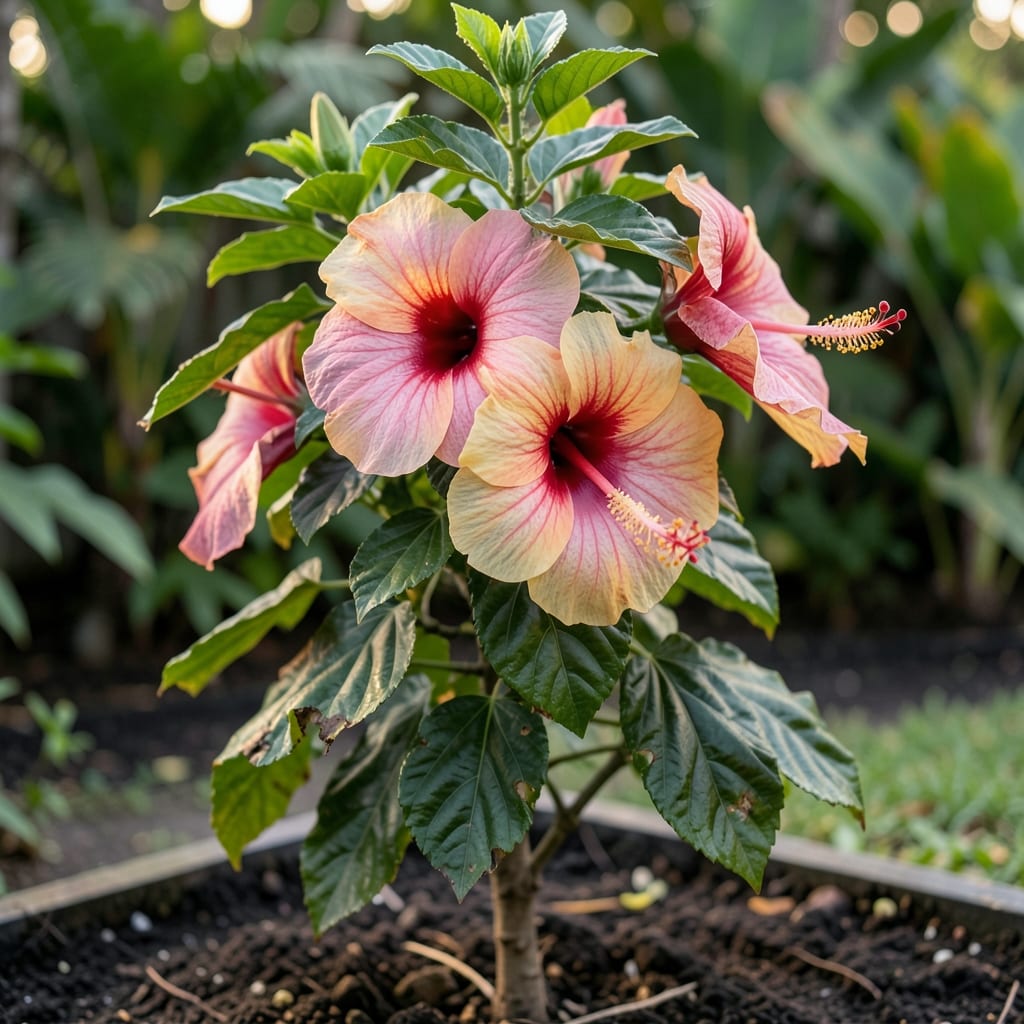
My hibiscus looked ready for the compost pile yesterday. 🌿 Drooping leaves don’t always mean it’s dying—often it’s just thirsty or drowning.
I’ve fixed this dozens of times by checking soil moisture first. Stick your finger in—if it’s bone dry or soggy, you’ve found the culprit. Underwatering causes crispy edges, while overwatering brings yellowing.
Pests and root rot can also cause wilting. Look for aphids or mushy stems. A simple neem oil spray handles most infestations within days.
With the right adjustment, you’ll see perked-up leaves within 24 hours. Your plant will be back to producing those stunning blooms in no time.
Hibiscus leaves wilt when the plant’s balance is disrupted. Each cause has a clear scientific basis, and addressing it quickly restores health. Below are the most common triggers.
Hibiscus relies on steady moisture to maintain turgor pressure—the internal water pressure that keeps leaves rigid. When soil dries out, cells lose tension, and leaves droop. Check the top 1-2 inches of soil; if dry, water deeply to rehydrate the root zone.
Too much water suffocates roots, preventing oxygen uptake. This leads to Phytophthora or Pythium root rot, where pathogens destroy root tissue. Wilting occurs as roots fail to absorb water. Ensure pots have drainage holes and soil isn’t soggy.
Hibiscus thrives in 60–85°F. Exposure to temperatures above 90°F or below 50°F disrupts cellular function, causing wilting. Heat stress increases transpiration, while cold slows metabolic processes. Move potted plants indoors during extreme weather.
Sap-sucking pests like aphids, whiteflies, and spider mites drain plant fluids, reducing the hibiscus’s ability to transport water and nutrients. Inspect leaf undersides for sticky residue or webbing. Treat with insecticidal soap or neem oil to stop damage.
Bring your hibiscus back to life with these targeted fixes for wilting leaves. Each solution addresses a specific cause, so start with the most likely culprit based on your plant’s conditions.
If the soil is dry and crumbly, your hibiscus is thirsty. Soak the root ball thoroughly until water drains from the bottom of the pot (or 6–8 inches deep for in-ground plants). Water slowly to avoid runoff. Prevention tip: 💡 Check soil moisture with your finger—water when the top 1–2 inches feel dry. Mulch with bark or compost to retain moisture.
Yellowing leaves + soggy soil? Stop watering immediately. Remove the plant from its pot (if potted) and trim any black, mushy roots with clean shears. Repot in fresh, well-draining soil. For in-ground plants, improve drainage by mixing in perlite or sand. Prevention tip: ✨ Use pots with drainage holes and a moisture meter to avoid guesswork.
Wilted leaves in scorching afternoons? Move potted hibiscus to dappled shade or provide a shade cloth. Mist the leaves in the morning to cool the plant without promoting fungal growth. Prevention tip: 🌡️ Acclimate plants gradually to direct sun, and keep soil consistently moist during heatwaves.
Inspect leaves for aphids, spider mites, or whiteflies. Blast pests off with a strong stream of water, then apply neem oil or insecticidal soap (follow label instructions). Repeat every 5–7 days until pests are gone. Prevention tip: 🎯 Encourage beneficial insects like ladybugs, and avoid over-fertilizing, which attracts pests.
Pale or weak leaves? Use a balanced, water-soluble fertilizer (10-10-10 or 20-20-20) every 2–4 weeks during the growing season. For yellowing leaves with green veins (iron deficiency), apply chelated iron. Prevention tip: 📊 Test your soil annually and adjust amendments as needed.
Water when the top 1-2 inches of soil feel dry. In hot weather, this may mean watering every 2-3 days, but always check soil moisture first.
Yes! If the cause is temporary, like a missed watering, leaves often perk up within 24 hours after correcting the issue. Severe damage may require trimming.
Look for yellowing leaves and soggy soil. Lift the pot—if it feels heavy, it’s likely overwatered. Always use containers with drainage holes.
Only remove leaves that are completely brown or mushy. If they’re still green but droopy, they may recover with proper care.