
Beautiful Plants For Your Interior
Beautiful Plants For Your Interior
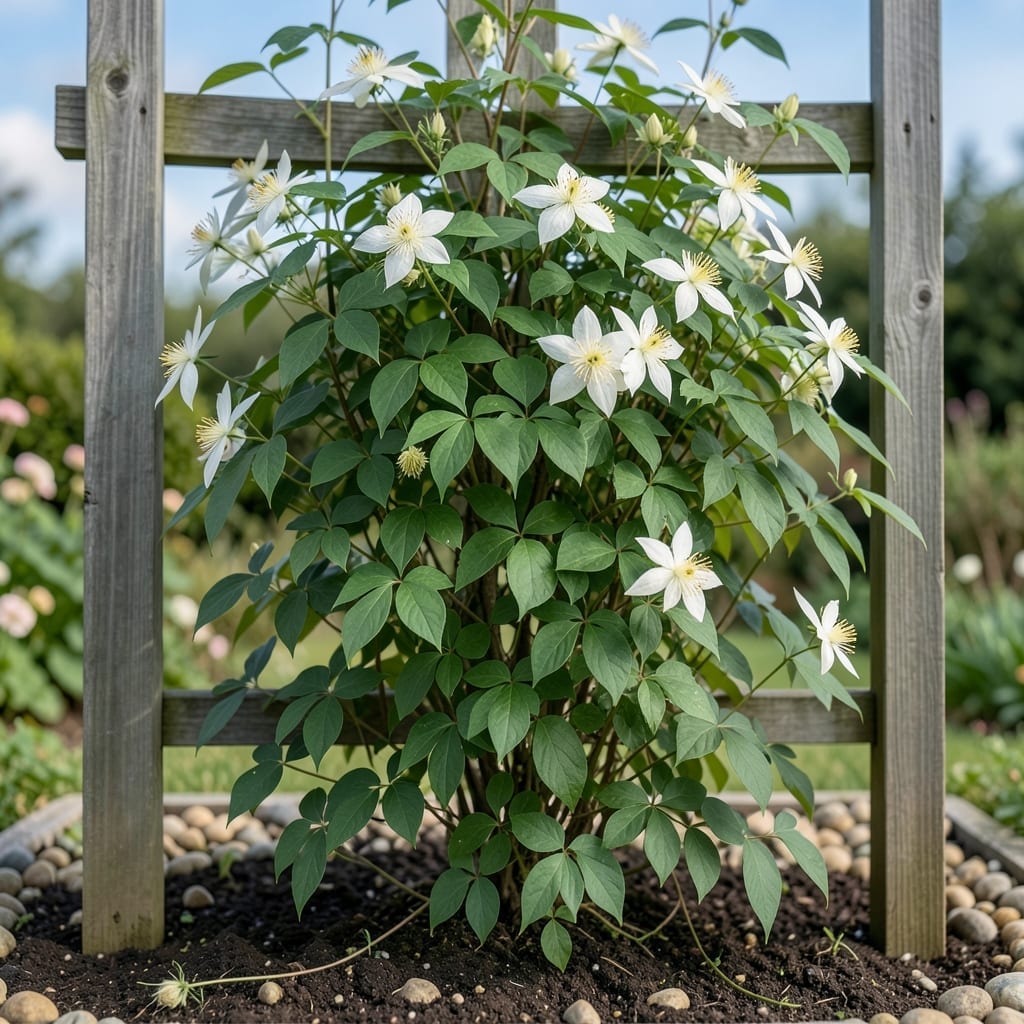
Spotting a wild vine with white flowers climbing your fence can feel like discovering a secret garden. I’ve identified and nurtured several species, and each brings its own magic to the landscape.
The key is knowing which one you’ve found—some spread aggressively, while others stay politely contained. With the right care, these vines can transform a plain trellis into a fragrant, lush display within a single season.
You’ll learn to recognize the most common types, from the delicate blooms of clematis to the bold, sweet-scented honeysuckle. Each thrives with minimal effort once established.
Perfect for vertical gardening, privacy screens, or adding wild beauty to your yard. Here’s how to make them flourish.
The wild vine with white flowers often appears suddenly in gardens or woodlands, and its growth is usually tied to specific environmental conditions. Below are the primary reasons why this plant flourishes in certain areas.
This vine typically thrives in well-draining, nutrient-rich soils with a slightly acidic to neutral pH (6.0–7.0). Loamy or sandy soils allow its roots to spread rapidly, while poor or compacted soils may limit its growth. If your garden has loose, fertile earth, it’s a prime candidate for this vine to take hold.
Partial to full sunlight (6+ hours of direct light daily) fuels its aggressive growth. While it can tolerate shade, reduced light slows its spread. Open fields, forest edges, or sunny backyard corners are hotspots for its proliferation.
Consistent moisture—especially in the spring and early summer—encourages the vine to climb and flower. Drought-resistant once established, it still prefers areas with moderate humidity or proximity to water sources like streams or irrigation systems.
In disturbed or cleared areas (e.g., after logging or landscaping), this vine faces less competition from other plants. Its fast-growing tendrils quickly dominate open spaces, outcompeting slower-growing vegetation for resources.
Actionable tip: To curb its spread, introduce competitive native plants or mulch heavily to block sunlight to the soil.
Dealing with a wild vine with white flowers in your garden or landscape can be tricky, but these practical solutions will help you regain control. Below are targeted fixes based on common issues, along with prevention tips to keep your space vine-free.
Fix: Prune the vine regularly using sharp garden shears. Cut back aggressive growth at the base to limit its spread. For stubborn vines, dig up the roots to prevent regrowth. Dispose of clippings in a sealed bag to avoid reseeding.
Prevention: Install a root barrier around garden beds or use mulch to suppress new shoots. Regularly inspect fences and trellises for early signs of climbing.
Fix: Spray affected areas with a mixture of water and mild soap to deter aphids or beetles. For severe cases, use an organic insecticide like neem oil. Remove heavily infested sections to prevent further spread.
Prevention: Encourage natural predators like ladybugs by planting companion flowers. Keep the area clean and free of debris where pests might thrive.
Fix: Physically remove the vine by pulling it from the soil, ensuring all roots are extracted. If the vine is tangled, gently untwine it from other plants to avoid damage.
Prevention: Plant the vine in a container or a designated area with boundaries. Use landscape fabric to block underground runners.
💡 Pro Tip: Wear gloves when handling wild vines, as some may cause skin irritation. Always check local regulations before removing native species, as some may be protected.
Look for leaf shape and growth pattern. Most have heart-shaped or lobed leaves and climb via tendrils. Honeysuckle has tubular flowers, while clematis blooms are star-shaped. Check for fragrance too, as many are sweet-scented.
Some vines spread aggressively and can choke nearby plants. Use containers or root barriers to control growth. Morning glory is gentle, but bindweed can overrun a garden quickly.
Cut at the base and dig out roots to prevent regrowth. For stubborn types, smother with cardboard and mulch. Always wear gloves—some cause skin irritation.
Their flowers draw bees, butterflies, and hummingbirds. Moonflower vines even bloom at night to attract moths. A great addition for wildlife gardens.