
Beautiful Plants For Your Interior
Beautiful Plants For Your Interior
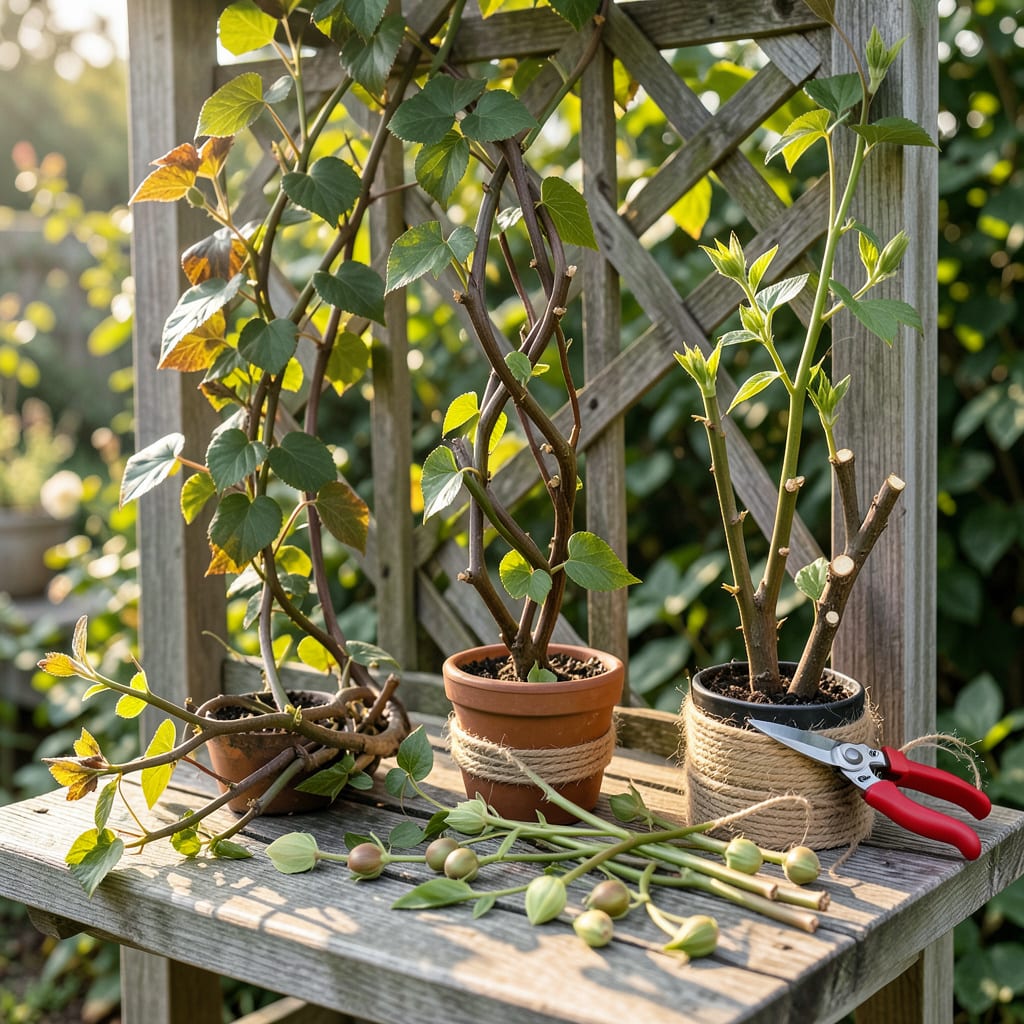
Clematis vines can look intimidating with their tangled stems, but pruning them right unlocks bigger blooms and healthier growth. I used to avoid it until I realized the secret: it’s all about knowing which of the three pruning groups your clematis belongs to. That one detail changes everything—when to cut, where to cut, and how much to remove.
Get this right, and you’ll be rewarded with a vine that explodes with flowers exactly when it should. No more guessing, no more accidental butchering. The process takes less than 20 minutes once you understand the simple rules for your specific variety. Here’s how to make every snip count.
📚 In This Guide
This simple method ensures healthy growth and abundant blooms—no matter which type of clematis you’re working with.
Before making any cuts, determine which pruning group your clematis belongs to. Group 1 blooms on old wood (last year’s growth) in early spring, Group 2 blooms on both old and new wood in late spring and summer, and Group 3 blooms on new wood in late summer. Check the plant tag or observe when it flowers to confirm.
If you’re unsure, don’t prune yet. Wait until after the first flush of flowers—this will reveal whether it’s a Group 1 or 2. Group 3 varieties often die back to the ground in winter, making them easier to identify. Knowing the group is crucial because pruning at the wrong time can sacrifice a season’s blooms.
Group 1 clematis need minimal pruning. After flowering in early spring, remove any dead or weak stems by cutting them back to healthy growth. Look for stems that are brown, brittle, or clearly damaged. I use sharp bypass pruners to make clean cuts at a 45-degree angle just above a pair of healthy buds.
Don’t overdo it—these plants bloom on old wood, so aggressive pruning removes potential flowers. If the plant is overgrown, you can thin out about one-third of the oldest stems at ground level to encourage new growth. This keeps the plant manageable while preserving next year’s blooms.
Group 2 clematis bloom in late spring on old wood and again in late summer on new growth. Prune in early spring before new growth begins. Cut back each stem to a pair of strong buds about 3-4 feet from the ground. This encourages bushier growth and more flowers on the new wood.
After the first bloom cycle, lightly prune again to remove spent flowers and shape the plant. I like to cut just above a leaf node where new growth is emerging. This second pruning stimulates the plant to produce another round of blooms later in the season.
Group 3 clematis are the easiest to prune because they bloom on new wood. In late winter or early spring, cut all stems back to about 12-18 inches above the ground. Don’t worry—this aggressive pruning won’t harm the plant. In fact, it encourages vigorous new growth and abundant flowering later in the season.
Remove any weak or spindly stems entirely at ground level. This focuses the plant’s energy on producing strong, healthy stems. By mid-summer, you’ll be rewarded with a flush of vibrant blooms on the new growth.
After pruning, clear away all cut stems and debris from around the base of the plant. This prevents pests and diseases from taking hold in the garden. I like to add a 2-inch layer of mulch around the base to protect roots and retain moisture, but keep it a few inches away from the stems to prevent rot.
Water deeply after pruning to help the plant recover. Throughout the growing season, continue to remove any dead or damaged stems as needed. Regular maintenance keeps your clematis healthy and ensures it puts energy into producing those spectacular blooms you love.
Pruning clematis doesn’t have to be intimidating—these practical insights will help you avoid common pitfalls and keep your vines thriving.
Identification is Everything: I can’t stress this enough—taking time to properly identify your clematis group (as mentioned in Step 1) makes all the difference. If you’re working with an inherited plant without a tag, observe its blooming pattern for a full year before making any major cuts. I once pruned what I thought was a Group 3 clematis in spring, only to realize it was a Group 1 when it failed to bloom that season. The wait was worth it to learn its true identity!
Sharp Tools Matter: Using dull pruners creates jagged cuts that invite disease and slow healing. Before starting (especially for Steps 2-4), test your bypass pruners on a pencil—if they crush rather than slice cleanly, sharpen them first. I keep a small sharpening stone in my gardening kit and give my pruners a quick touch-up before each pruning session. Clean cuts at that 45-degree angle mentioned in Step 2 heal faster and reduce stress on the plant.
The 3-4 Foot Rule for Group 2: When pruning Group 2 clematis in Step 3, don’t get too precise with that 3-4 foot measurement—it’s a guideline, not an exact science. The key is looking for strong, plump buds lower on the stem. I’ve found that cutting just above the highest pair of these healthy buds (even if it’s at 2.5 or 4.5 feet) gives better results than strictly adhering to the measurement. These buds are your future flowers, so prioritize their placement over exact height.
Don’t Fear the Hard Prune: Many gardeners hesitate with that aggressive 12-18 inch cutback for Group 3 clematis in Step 4, but trust me—these plants thrive on it. The first time I did this, I felt like I was destroying my plant, but by mid-summer I had the most vibrant, floriferous clematis in my garden. If your plant is particularly tall, you can cut some stems to 12 inches and others to 18 inches for staggered height and a more natural look while still encouraging that vigorous new growth.
The timing depends on the group! Group 1 (spring bloomers) needs pruning right after flowering (May-June). Group 2 (repeat bloomers) thrives with light pruning in early spring (March) and again after the first flush. Group 3 (summer/fall bloomers) loves a hard prune in late winter (February-March). Always avoid pruning in fall—it can stimulate tender new growth before winter!
No panic! While wrong-time pruning might sacrifice some blooms for the season, clematis are resilient. Group 1 pruned too late? You’ll lose next year’s flowers. Group 3 pruned in fall? Frost may damage new growth. The plant will recover—just adjust timing next year and focus on healthy stems!
Yes, but it’s a gamble! If unsure, use the “wait-and-see” method: Prune one stem lightly in early spring. If it blooms later, it’s likely Group 2 or 3. No blooms? It’s probably Group 1—prune after it flowers. For a foolproof fix, snap a photo and ask a local nursery for ID help!
Tackle it in stages! For Group 1 or 2, remove ⅓ of the oldest stems at the base over 3 years to avoid shock. For Group 3, cut all stems to 12–18 inches above ground in late winter—it’ll bounce back! Thin out tangled growth to improve airflow, and compost the debris (unless diseased).
Not always! Group 1 clematis (like C. montana) often thrives with minimal pruning—just remove dead wood. Groups 2 and 3 benefit from annual pruning to encourage blooms and prevent a “leggy” look. Skip a year? No harm—just expect fewer flowers or a wilder shape. Consistency rewards you with healthier plants!
